








Heat-Induced Health Crisis
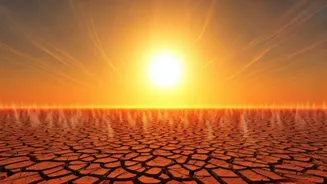
Punjab is currently experiencing a severe heatwave, which has directly contributed to a notable increase in patients presenting with symptoms of gastroenteritis
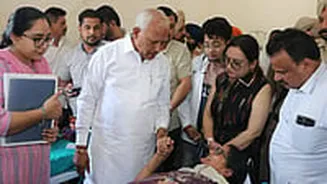
and dehydration. Hospitals across the state are reporting a sustained influx of individuals, with particular vulnerability observed among the elderly and young children. These patients are primarily suffering from stomach infections, intense vomiting, profound weakness, and critical dehydration. The extreme temperatures exacerbate the risk, as food spoils more rapidly, and contaminated water sources combined with compromised hygiene practices create fertile ground for the proliferation of infectious agents. Common symptoms reported include severe diarrhoea, abdominal discomfort, nausea, dizziness, and fever. In more serious instances, delayed medical intervention can escalate to dangerous complications such as dangerously low blood pressure, kidney dysfunction, and severe electrolyte imbalances, underscoring the urgent need for timely medical attention during this health crisis.
MMSY: A Financial Lifeline
In response to the growing health emergency, the Mukh Mantri Sehat Yojana (MMSY) has emerged as a critical support system for Punjab's residents. This government initiative is designed to alleviate the financial strain associated with medical treatments, particularly during these challenging times. MMSY enables beneficiaries to receive cashless treatment at both government hospitals and designated private empanelled facilities, thereby removing the immediate barrier of out-of-pocket expenses. This is especially beneficial for individuals and families from lower-income groups who might otherwise delay seeking necessary medical care due to cost concerns. The scheme's provision of cashless treatment has encouraged prompt hospital visits, ensuring that patients receive timely medical intervention for their ailments, thereby preventing the escalation of symptoms and potential complications.
Statistical Breakdown of Cases
Data emerging from the Mukh Mantri Sehat Yojana (MMSY) highlights the significant impact of the heatwave on public health. Between January and April, a substantial 3,279 acute care cases related to gastrointestinal and abdominal issues were managed under the cashless coverage provided by MMSY, with a total expenditure of ₹73.42 lakh dedicated to these treatments. During April alone, over 1,400 patients benefited from cashless treatment for dehydration-linked gastrointestinal illnesses. Delving deeper into the April figures, acute gastroenteritis accompanied by moderate dehydration accounted for the majority of these cases, with over 1,050 individuals receiving care. Additionally, approximately 115 patients required treatment for severe dehydration, while more than 250 were admitted due to persistent vomiting and significant fluid loss, necessitating immediate medical intervention and care.
Geographic Distribution of Impact
The health repercussions of the intense heatwave are being felt across various districts in Punjab, with specific areas reporting a higher concentration of gastroenteritis and dehydration cases. Hoshiarpur district has recorded over 250 cases among the elderly suffering from acute gastroenteritis and moderate dehydration. Jalandhar has also seen a significant number, with over 100 similar admissions. Other districts that have reported a notable number of cases include Patiala, Ludhiana, Rupnagar, Barnala, Sangrur, Bathinda, and Shahid Bhagat Singh Nagar. Furthermore, districts like Sri Muktsar Sahib, Pathankot, Fatehgarh Sahib, and Gurdaspur have also registered instances of recurrent vomiting and dehydration that have necessitated hospitalisation and advanced medical care, indicating a widespread health concern across the state.
Preventive Measures Advised
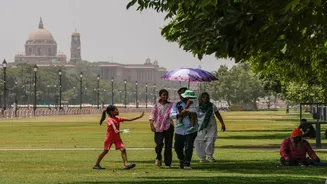
Experts are emphasizing the importance of adopting crucial preventive measures to combat the health risks associated with the ongoing heatwave. Staying adequately hydrated by consuming plenty of fluids is paramount. Wearing light-coloured and loose-fitting clothing can help the body regulate its temperature more effectively. It is strongly advised to avoid prolonged exposure to direct sunlight, especially during the peak heat hours of the day. Consuming fresh, home-cooked meals is recommended, as this reduces the risk of foodborne illnesses that are more prevalent in warmer conditions. In the event of experiencing symptoms such as fever, persistent vomiting, or signs of dehydration, seeking immediate medical attention is crucial. Early diagnosis and treatment can prevent the condition from worsening and lead to a faster recovery, safeguarding public health during this critical period.