






The Viral Concept
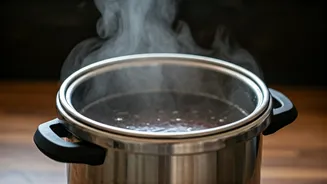
The method involves brewing tea directly within a pressure cooker, a kitchen appliance typically reserved for cooking various foods under high pressure.
This technique aims to speed up the tea-making process while possibly intensifying the tea's flavors. The tea leaves and other ingredients like spices, milk, and sugar, if desired, are placed directly into the cooker. The cooker is then sealed, and the tea brews under pressure for a specific duration. The resulting brew is then strained and served. This method has garnered attention for potentially offering a faster and more efficient approach to tea preparation, a staple beverage in many Indian households.
Initial Reactions Emerge
Upon the emergence of this viral method, many social media users expressed curiosity. Numerous individuals were intrigued by the prospect of quicker tea brewing. The unusual method's novelty also drew criticism, especially from those who prefer the traditional tea-making methods. Traditionalists raised concerns about potential changes in tea flavor and aroma. There were also concerns about the safety and practicality of using a pressure cooker for this purpose. The method's proponents highlighted potential time savings and ease of preparation as advantages, which attracted attention from busy individuals looking for a quicker tea-making process. The method's ability to possibly enhance flavor also garnered interest.
Exploring Potential Benefits
Advocates of the pressure cooker tea-making method suggest several potential benefits. Firstly, this method could significantly reduce preparation time. Pressure cookers are designed to cook food quickly, and the same principle could apply to tea. This could be particularly appealing to people with hectic schedules. Secondly, the high pressure and temperature might extract more flavor compounds from the tea leaves and spices, potentially resulting in a more robust and flavorful brew. The method also simplifies the tea-making process by combining multiple steps into a single process. Lastly, it can save space in the kitchen, negating the need for separate pots and pans for tea preparation.
Addressing Possible Drawbacks
Despite its appealing aspects, the method also has potential drawbacks to consider. Firstly, the intense heat and pressure might lead to over-extraction, resulting in a bitter or overly strong tea. The precise brewing time and temperature control are crucial. Secondly, the use of a pressure cooker requires careful attention to safety protocols. Incorrect use could lead to accidents, and it is therefore crucial to read the cooker’s manual carefully. There is a requirement for thorough cleaning of the pressure cooker, as residual flavors or aromas from previous cooking sessions could impact the tea's taste. The reliance on a specific appliance may limit the method's accessibility for individuals who do not own a pressure cooker.
Trying the Pressure Cooker Tea
Those inspired to experiment with the pressure cooker tea-making method can follow a few basic steps. First, the ingredients – tea leaves, water, milk, sugar, and spices (such as cardamom or ginger) – are combined within the pressure cooker. It is important to adjust quantities based on individual preferences. Next, the cooker is sealed, ensuring it is properly closed to maintain pressure. The cooker is then set on a stove over medium heat. The cooking time will depend on the tea's strength and the pressure cooker, ranging from a few whistles to a few minutes. After the tea has brewed, the cooker must be carefully depressurized, either by natural release or by releasing the pressure manually. Finally, the tea is strained and served, ready to be enjoyed.
The Verdict: Is It Worth It?
Ultimately, the answer to whether the pressure cooker tea-making method is 'worth it' depends on personal preferences and priorities. For tea lovers seeking a quicker preparation method and those open to experimenting with flavors, this technique might be worth exploring. Individuals who prefer traditional methods or are concerned about flavor or safety may prefer to stick to tried-and-true approaches. The method highlights how people continuously search for new and efficient ways to prepare their favorite beverages. Whether it becomes a mainstream practice or remains a niche trend, the pressure cooker tea method offers a glimpse into how culinary innovations evolve in a digital world.