






Scorching Temperatures Hit
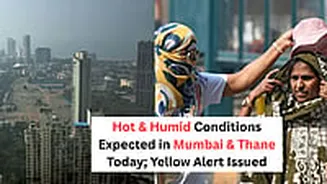
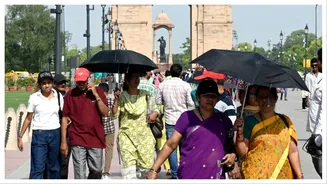
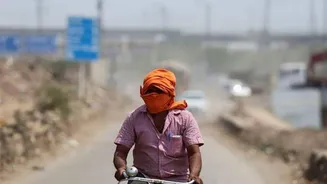
Mumbai and its neighboring Thane experienced a severe heatwave, with maximum temperatures climbing to a sweltering 39 degrees Celsius (°C). This intense
heat, accompanied by high humidity, left residents uncomfortable and prompted the India Meteorological Department (IMD) to issue a yellow alert for the region. The alert signifies that hot and humid conditions are expected to persist until Sunday. Observations from the Santacruz observatory in Mumbai recorded a temperature of 35.8 °C, which is notably 2.2 °C above the usual for this time of year. Similarly, the Colaba coastal observatory registered 33.7 °C. In the eastern suburbs, specific weather stations reported even higher figures, with Vikhroli reaching 39.3 °C and Ram Mandir noting 38.5 °C, while Bandra recorded 37.2 °C on Saturday afternoon. Thane also felt the heat intensely, with its Belapur station logging 39 °C. This spike in heat follows a similar pattern from Friday, when the suburban station recorded 35.6 °C, indicating a sustained period of uncomfortable weather.
Heatwave Causes Explained
Meteorologists have identified specific atmospheric conditions responsible for the current intense heat spell affecting Mumbai and Thane. An active trough, a dip in atmospheric pressure, combined with an anticyclonic circulation, has been cited as the primary driver. These phenomena work together to create an environment where both heat and moisture are drawn into the region, intensifying the heatwave and contributing to the high humidity levels that have plagued residents. This confluence of weather patterns has led to temperatures significantly exceeding normal seasonal averages, creating an oppressive and uncomfortable climate. The sustained high temperatures and humidity are a direct result of these atmospheric disturbances working in tandem to trap heat and moisture over the area.
Future Forecast: Relief Ahead
While the current heatwave is taking a toll, IMD scientists are forecasting a welcome respite for Mumbai in the coming week. Day time temperatures are expected to decrease, returning to more normal levels of around 33 to 34 °C. After reaching highs of up to 36 °C on Sunday, no further alerts have been issued for the upcoming week, suggesting a significant cooling trend. By Tuesday, temperatures are predicted to settle around 33 °C, which is considered the typical temperature for this season. This projected dip in temperature marks a significant change from the current scorching conditions and indicates that the severe heat spell is likely to subside, bringing relief to the city and its inhabitants. This forecast offers a positive outlook after a period of intense discomfort.
Historical Heat Context
Mumbai traditionally experiences higher than normal temperatures in April, a month also known for pre-monsoon thunderstorms. This year's heatwave, while severe, occurs within a historical context of intense April heat. Records from the IMD reveal that the hottest day ever recorded in April at the Santacruz observatory was a staggering 42.2 °C, which occurred in the year 1952. This historical data highlights that extreme heat events are not entirely new to the city during this period, though the current conditions have certainly been a cause for concern and prompted the issuance of weather alerts. Understanding these historical patterns provides perspective on the current meteorological situation and the potential for such extreme weather events in the region.