





Organized Unrest Unveiled
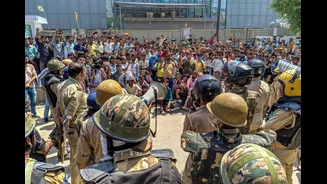
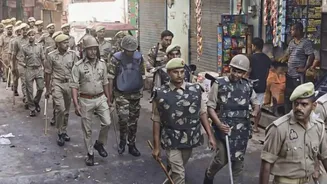
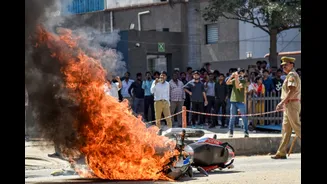
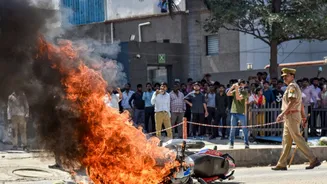
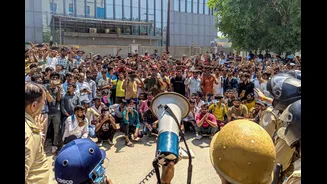
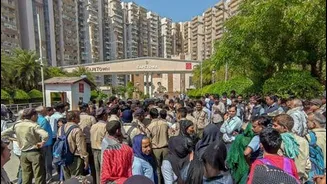
The recent widespread worker protests in Noida, which unfortunately escalated into scenes of significant violence and property damage, have been characterized
by police as a deliberately organized, internationally influenced operation. Authorities have pinpointed three primary individuals as central figures in inciting the disturbances: Manisha Chauhan, Rupesh Rai, and Aditya Anand. Investigations indicate that Rupesh Rai has a history of appearing at agitations nationwide since 2018, with Aditya Anand similarly involved since 2020, suggesting a pattern of participation in various unrests across the country. While Rupesh identifies as an auto-rickshaw driver, Aditya is reportedly unemployed. The coordinated nature of the events is underscored by police reports detailing how movement within Noida was meticulously planned for March 31 and April 1, followed by the creation of specific WhatsApp groups via QR codes on April 9 and 10, just prior to the major demonstrations. This strategic planning highlights a deliberate effort to mobilize and direct the workers' actions, culminating in inflammatory speeches delivered on April 11, even after a peaceful settlement had been proposed, thereby instigating further action.
Digital Incitement From Abroad
A critical element of the Noida worker protests' instigation has been traced back to social media platforms, specifically two X accounts that were actively disseminating misinformation. Police Commissioner Laxmi Singh confirmed that these X handles, allegedly operating under the names Meer Ilayasi and Ayushi Tiwari, were being controlled from Pakistan. These accounts had been active for approximately three months leading up to the protests, utilizing Virtual Private Networks (VPNs) to mask their origin. The timing of their activity aligns with the period when workers were being mobilized for demonstrations. Disturbingly, police observed protesters viewing posts from these specific X accounts during the demonstrations. This digital manipulation, aimed at destabilizing industrial sectors, led to the registration of an FIR at Sector 20 Police Station on April 13, the same day the Motherson facility protest occurred. The authorities have registered thirteen cases linked to these social media accounts, indicating a systematic attempt to influence and agitate workers through online channels originating from foreign soil.
Swift Action and Arrests
In response to the meticulously planned and externally influenced worker protests, Noida police have made substantial arrests, apprehending 62 individuals to date. This figure includes 9 people directly implicated in acts of arson and members of the mob that engaged with law enforcement. The police noted that a significant portion of those arrested were not regular laborers but individuals who had arrived from outside the Noida region, underscoring the organized and perhaps professional nature of the disruptive elements. Key suspects Rupesh Rai and Manisha Chauhan were taken into custody on April 11, though Aditya Anand remains at large. The authorities have indicated that strict action will be initiated against those involved, including invoking the National Security Act (NSA), a stringent law aimed at preventing activities prejudicial to national security and public order. Central agencies, including the Intelligence Bureau (IB) and the Anti-Terrorism Squad (ATS), have also joined the investigation, signaling the gravity of the situation and the focus on uncovering the full extent of the foreign involvement and its local facilitators.
Return to Normalcy
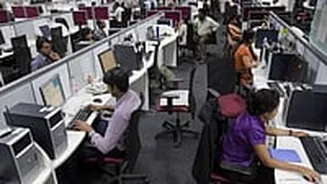
Following the period of intense protest and disruption in Noida, a gradual return to normalcy is being observed as several factories have resumed their operations. Reports indicate that operations have recommenced in areas like Noida Phase 2, and other industrial zones within the National Capital Region (NCR) have also seen workers reporting back to their duties. This resumption of work marks a significant step towards stability after the disturbances. While the investigation into the orchestrators of the violence continues, with a focus on the international links and the individuals involved in instigating the unrest, the broader industrial landscape is beginning to recover. The successful control of the protests and the subsequent arrests are paving the way for renewed industrial activity, although the underlying issues of foreign interference and digital manipulation in public demonstrations remain a serious concern for authorities.