






Aravalli's Vital Role
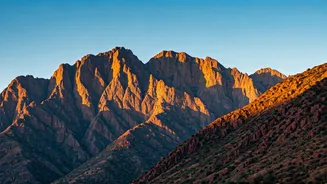
The Aravalli Range is an ancient mountain system, and it is a key element in influencing the climate of North India. It acts as a barrier, helping to manage
the movement of air and weather patterns across the region. The range helps in preventing the western desert winds from directly reaching Delhi and other areas, which affects the local temperatures. Additionally, the Aravallis play a significant part in the monsoon system, assisting in the distribution of rainfall. These mountains also contribute to maintaining a stable climate by providing groundwater recharge and helping to regulate the water cycle. Considering these critical functions, the Aravalli Range is seen as an important component of the environment for several states, as it prevents the expansion of the desert and impacts the climate in surrounding regions.
Mining Concerns Addressed
Recent discussions have brought forward concerns regarding mining activities within the Aravalli Range. Critics suggest that mining can damage the ecosystem and impact the region's climate. The government has stated that fears surrounding the Supreme Court's definition of the Aravalli range are misplaced, suggesting an attempt to reassure the public that mining operations are conducted carefully, considering the environmental impact. The authorities have emphasized the necessity of balancing economic needs with ecological conservation. Various regulations and guidelines have been put in place to ensure that mining activities adhere to environmental standards, thus safeguarding the Aravalli range and its crucial role in the climate.
Climate Impact Explained
The Aravalli Range's impact on North India's climate is multi-faceted. It works as a barrier, changing the flow of winds and helping to manage temperatures. This prevents the harsh desert winds from entering the populated areas, therefore impacting the average temperature of the city. Moreover, the range greatly influences the monsoon season, affecting rainfall patterns throughout the region. The mountains capture moisture from the monsoon clouds, resulting in precipitation in various areas. The Aravallis also contribute to groundwater recharge, which helps to keep water resources steady and supports the local ecosystem. Overall, the range's presence is key to maintaining a balanced climate, preventing desertification, and ensuring that the water cycle remains stable.
Government's Stance Clarified
The government views the Aravalli Range as an important area for environmental protection, recognizing its significant contributions to the climate and ecological balance. Authorities have emphasized the importance of sustainable development, aiming to balance economic growth with environmental preservation. Steps are being taken to control mining and other activities by enforcing strict environmental regulations. The government also plans to boost conservation efforts by reforesting areas, developing eco-tourism, and educating the public. Through these measures, the government aims to safeguard the Aravalli Range and keep it as a natural resource for future generations, while also addressing concerns raised by environmental groups and the general public.
Protecting the Range
Protecting the Aravalli Range involves various strategies and initiatives designed to preserve its ecological integrity. Reforestation projects are essential, focusing on planting native trees to restore the region's green cover and also decrease soil erosion. Strict regulations on mining and other industrial activities are also crucial. These regulations aim to limit environmental harm and make sure that operations follow sustainable practices. Community involvement and public awareness also play a vital role. Education programs help people understand the value of the Aravallis and encourage them to support conservation efforts. Additionally, developing eco-tourism provides economic benefits while promoting environmentally responsible practices. These combined efforts are essential to maintain the Aravalli Range and protect the climate and ecology of North India for the future.









![[WATCH] 'Real Madrid, Ramadan and rest' - Mohammed Siraj how last-minute World Cup call-up changed February plan](https://g-mob.glance-cdn.com/public/fc/image/ByYT_LEmlrD0.webp)