





A Monumental Agreement
The culmination of negotiations between India and the EU resulted in a Free Trade Agreement (FTA), an event of considerable magnitude. This agreement effectively
created a free trade zone encompassing a staggering two billion people, a testament to its scale. The objective behind this ambitious venture was to foster mutual benefits for all parties involved. A notable aspect of this deal was its impact on the geopolitical landscape. The completion of the FTA led to considerable discussion and evaluation by external observers, including reactions from other nations regarding India's growing influence in international trade and diplomacy.
India's Economic Advantage
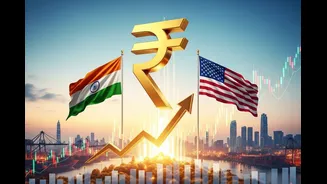
The FTA with the EU was poised to yield substantial benefits for India. The US Trade Representative, Jamieson Greer, acknowledged that India was slated to emerge as the primary beneficiary of the agreement. This advantage stems from the expanded access to European markets, presenting Indian businesses with opportunities to increase their reach and competitiveness. This increased market access was expected to boost several sectors, creating more jobs and stimulating economic expansion. Furthermore, the agreement was designed to encourage foreign investment, supporting India's ambition to become a global economic leader.
Geopolitical Ripples
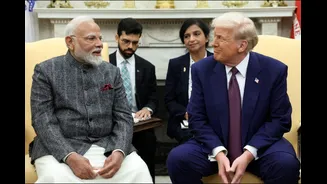
The conclusion of the EU-India FTA had significant implications, extending beyond the immediate economic benefits. Its impact reverberated across the international stage, generating reactions from various nations. The Trump administration, for example, reacted strongly to the deal, reflecting the complex interplay of international relations and trade policies. This reaction indicated that the agreement had the potential to shift existing power dynamics and influence global trade patterns. The FTA also underscored India's increasing strategic influence on the global stage, solidifying its role as a key player in international trade negotiations.