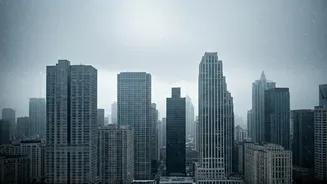








Fog and Visibility
The dense fog that has engulfed Delhi NCR is significantly reducing visibility, posing serious threats to transportation. Road travel becomes hazardous,
with accidents more likely, and air travel is similarly affected, leading to delays and diversions. This reduced visibility impacts not just commuters but also the supply chain, as the movement of goods slows down. The intensity of the fog varies from day to day, but it has become a consistent problem throughout the winter season. Local authorities issue regular advisories to ensure that people are aware of the risks involved. It is recommended that people should travel cautiously and ensure that all vehicle lights are fully functional. Additionally, public transport remains significantly impacted, with the schedule of trains and buses being regularly disrupted, causing inconvenience to those relying on these services. The situation demonstrates the importance of adapting to these challenging conditions and prioritizing safety.
Air Quality Concerns
The high levels of air pollution further exacerbate the challenges. The air quality index often indicates severe levels of pollution, exposing residents to health hazards. The sources of pollution are varied, including industrial emissions, vehicular traffic, and seasonal factors such as stubble burning in neighboring states. The impact of this poor air quality is widespread, affecting people of all ages but particularly harming children, the elderly, and those with respiratory issues. Medical professionals advise people to take precautions, such as avoiding outdoor activities during peak pollution hours and wearing masks to minimize exposure. Governmental agencies monitor the situation closely, implementing various measures to control pollution levels. These measures include restrictions on construction activities, monitoring and regulating industrial emissions, and promoting public awareness campaigns aimed at informing the public about the risks involved and preventative strategies.
Cold Wave Impacts
Alongside fog and pollution, the region is also experiencing a cold wave, adding to the hardship faced by the population. The temperatures have plummeted, increasing the risk of cold-related illnesses such as flu and pneumonia. This extreme cold affects people, especially the vulnerable populations who are more susceptible to its effects. Homeless people, in particular, face challenges as they struggle to stay warm in the harsh weather conditions. The government and various non-governmental organizations provide assistance through shelters, distributing blankets, and organizing food drives to support those in need. Local authorities also issue alerts and advisories to the public, advising people to stay indoors as much as possible, wear warm clothes, and avoid unnecessary exposure to the cold. The combined impact of fog, pollution, and the cold wave creates a complex set of challenges, calling for a coordinated and multi-faceted approach to safeguard the health and well-being of the residents of Delhi NCR.