




Festive Demand Meets Supply Gap
The auspicious occasion of Akshaya Tritiya, a significant date in the Hindu calendar that typically heralds the arrival of Maharashtra's prized Alphonso
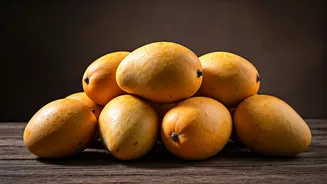
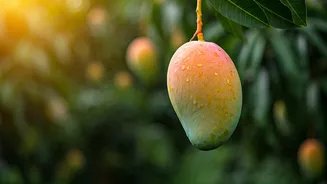
mangoes, has inadvertently fueled a notable surge in mango prices across Pune. This year, however, the usual festive cheer is tinged with a concern for consumers as the market grapples with a considerable delay in the Alphonso harvest. Unseasonal rainfall has pushed the arrival of the new crop back by nearly a month, creating a scarcity that directly impacts pricing. Consequently, the cost of Alphonso mangoes has already seen an upward trend, with prices escalating by Rs 200 to Rs 300 per dozen compared to the same period last year. Traders anticipate this upward trajectory to continue in the days leading up to the festival, as the demand outstrips the current limited supply.
Market Prices Under Pressure
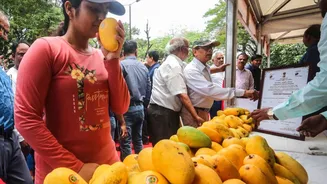
Navigating Pune's mango markets reveals a stark contrast in pricing, with different areas reflecting varying levels of scarcity and quality. In the bustling Tulshibaug area, Alphonso mangoes are currently fetching between Rs 1,000 and Rs 1,400 per dozen, a price point that fluctuates based on the fruit's size and overall grade. For those seeking premium quality in areas like Deccan Gymkhana, the price is considerably steeper, ranging from Rs 1,400 to an imposing Rs 2,000 per dozen. Vendors consistently report that while consumer interest has steadily grown over the past week, the availability of mangoes has not kept pace. This imbalance between demand and supply is the primary driver behind the elevated prices observed across all major trading hubs in the city. The unseasonal rains, a recurring theme this year, are cited as the principal reason for the delayed and diminished yield, creating a challenging environment for both sellers and buyers.
Weather's Impact on Harvest
The narrative of this year's mango season is undeniably shaped by adverse weather conditions. A vendor near Shivajinagar lamented the significant delay, stating, "This year, the supply is low. The crop arrived almost a month late, and there was heavy rain too. Usually, by this time, the market sees higher arrivals, but currently, the quantity coming in is still low." This sentiment is echoed by fruit sellers throughout the city. Asha Wagh, a vendor near Deccan Gymkhana, confirmed the increased prices, noting, "Arrivals are still limited, and many sellers have increased prices over the last few days; some are selling fruit at Rs 2000 a dozen also. Prices are definitely higher than last year; there was bad rain this year. Rates are bound to increase more over the next day or two." The cumulative effect of delayed harvests and heavy rains has created a tight market, pushing prices higher and creating an anticipation of further increases as Akshaya Tritiya draws nearer. It's a clear indication that the weather's influence on agricultural output is a critical factor in market dynamics.
Anticipating Price Stability
As Akshaya Tritiya approaches, the expectation is that mango prices will reach their zenith around the festival itself. Sudhir Nathu, a vendor at Tulshibaug, shared insights into the predictable festive price hike, mentioning, "Every year prices increase during this period due to festival demand, you’ll see it go up by Rs 300-400 by the day after tomorrow." While the current prices are elevated due to the delayed arrivals and inclement weather, traders are hopeful for a stabilization once the supply chain normalizes. The consensus among market participants is that as the volume of fresh mangoes entering the market increases in the weeks following Akshaya Tritiya, prices are likely to gradually settle down. This pattern, while predictable, is amplified this year by the challenges posed by unseasonal rains, making the current surge particularly noticeable for consumers accustomed to earlier and more abundant harvests.