






Observe the Beeline
Honey bees are incredibly organized when it comes to finding their way home, often following predictable aerial routes. To pinpoint a nest, spend some
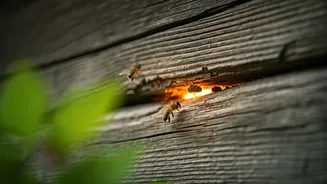
time in your garden on a clear, sunny day. Look for a consistent stream of bees flying in an unwavering, straight trajectory towards a singular point. This 'beeline' is a strong indicator of their precise entry and exit point into a cavity or structure. By meticulously following this path, you can usually ascertain the exact location where the colony is actively coming and going, serving as your primary clue to their hidden abode.
Listen for the Hum
Unlike wasps that construct visible, papery structures, honey bees are cavity nesters, preferring enclosed spaces. If a colony has taken up residence within your home's walls or attic, you might be able to detect their presence through sound. During the quieter periods of early morning, press your ear against the suspected surface. A faint, continuous buzzing or humming sound can often be heard, indicating the collective activity of thousands of bees. This auditory clue is a significant confirmation of an infestation within a structural void.
Water-Seeking Patterns
Honey bees require water not only for their own hydration but also to regulate the hive's temperature and to dilute honey for their developing larvae. Pay close attention if you notice a concentration of bees consistently visiting a particular water source in your vicinity, such as a birdbath, a dripping faucet, or even the edge of a swimming pool. This high traffic at a water point suggests that a nest is likely situated quite near. Tracing their flight path from the water source back towards your house or nearby trees can often be the quickest way to discover a colony nestled within a hidden structural opening.
Swarm vs. Nest
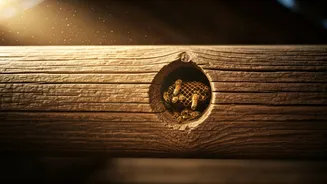
It's crucial to differentiate between a temporary bee swarm and a permanent nest. A swarm typically appears as a large, exposed cluster of bees hanging from a tree branch or overhang. These swarms are generally passive and usually depart on their own within a couple of days. In contrast, a permanent nest is concealed within a protected space, like a building cavity or a hollow tree, where the bees have established their wax combs and stored honey. Recognizing this distinction helps in understanding the urgency and nature of the bee presence.
Physical Clues
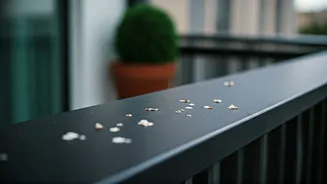
A well-established honey bee colony can leave behind tangible evidence on the exterior or interior surfaces of your home. The collective body heat of the hive, combined with the warmth from the sun, can sometimes cause the wax and honey to melt slightly. This can result in dark, oily-looking stains appearing on walls or ceilings. In some instances, a subtle, sweet aroma reminiscent of beeswax might also be detectable, providing another olfactory hint of a nearby nest.
Guard Bees at Entrance
Honey bees are fiercely protective of their queen and precious honey stores, so they assign specific bees to act as guards at the hive's entrance. If you observe a small opening in your siding, a crevice in a tree, or a similar gap where a few bees are hovering almost motionless or pacing back and forth, you have likely found the nest's entry. These vigilant guards scrutinize incoming bees for threats and guide returning foragers, making them a reliable visual marker for a hidden honey bee colony.
Foraging Behavior
Observing how bees interact with your garden's flora can offer clues about the proximity of their hive. Bees that linger extensively on a single flower might be farther from their nest. However, those that move rapidly from blossom to blossom and then depart in a swift, direct line are typically heading back to a nearby home. Following the departure trajectory of these 'loaded' foragers as they leave your plants can often lead you directly to their established nesting site.