






A New Era Dawns
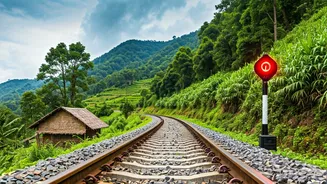
The establishment of a railway line connecting Sairang, near Aizawl, to New Delhi has fundamentally altered Mizoram's landscape. This vital infrastructure
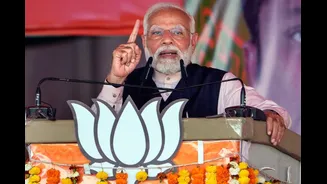
project, inaugurated by Prime Minister Narendra Modi, marks the state's first direct rail link to the nation's capital, with the Rajdhani Express journey spanning approximately two days over 15 stations. The intended benefits, as articulated by the Prime Minister, encompass enhanced opportunities in sectors such as healthcare, education, commerce, tourism, and industry, aiming to foster regional prosperity and closer integration with India. This development has indeed catalyzed a remarkable upswing in tourism, with official figures from the state tourism department indicating that 8.01 lakh tourists visited Mizoram in the six months preceding the report. The peak periods of December and January alone saw substantial footfalls, registering 1.33 lakh and 1.21 lakh visitors respectively, underscoring the immediate and profound impact of this new connectivity on domestic travel to the region.
Tourism's Double Edge
The surge in tourism, driven by the new railway, has brought about a vibrant economic atmosphere, with homestays in the capital and across Mizoram experiencing frequent over-bookings. Cafés are bustling, service industry employees are adapting to diverse linguistic needs, and taxi services are in high demand, transforming the local economy from what was unimaginable just months prior, according to tourism operators. Data from the tourism department reveals a remarkable growth rate of over 86 percent compared to the previous year, with the current year's domestic tourist numbers already surpassing those from 2024-2025 by more than 4 lakh. International visitors also saw an increase, with notable numbers from neighboring Myanmar (8,598), the US (662), Japan (254), the UK (197), and Israel (158) between April 2025 and January 2026. This influx highlights Mizoram's growing appeal as a tourist destination, presenting significant economic prospects and opportunities for local businesses and employment.
Underlying Apprehensions
Despite the economic benefits, an undercurrent of unease is palpable among local NGOs, student unions, and the Church. The unexpected volume of tourists has ignited concerns regarding the strain on existing infrastructure, the potential for environmental degradation, and the commodification of treasured traditions, which some fear may be reduced to ephemeral social media content. The Mizo Zirlai Pawl (MZP), a prominent student body, has voiced apprehension about 'over-tourism' in a state with limited resources, warning of negative impacts on daily life. They have issued guidelines for tourists, emphasizing decorum and respect for local customs, and specifically cautioned vloggers and content creators against prioritizing social media fame over cultural sensitivity. The MZP's general secretary articulated a deep-seated fear of cultural erosion and the unintentional transformation of local heritage into mere spectacle, leading to a loss of original Mizo identity.
Navigating the Future
Addressing these complex challenges, the Central Young Mizo Association (CYMA), a significant NGO, has engaged with the state's tourism minister to foster a tourism environment that is both welcoming to visitors and secure for local residents. The focus is on finding a sustainable balance that allows for economic gains without compromising cultural integrity and identity, prompting questions about Mizoram's preparedness for such rapid exposure. The Mizoram Presbyterian Church, a cornerstone of Mizo social and religious life, is also actively discussing how to leverage its unique Christmas traditions as an opportunity for sharing faith and culture, while simultaneously guarding against the risk of these sacred observances becoming mere entertainment. The tourism minister's ambition to position Aizawl as the 'Christmas Capital of India' reflects a strategic effort to manage and capitalize on these cultural assets. Furthermore, concerns about illegal immigration and uncontrolled environmental pollution, particularly around the Sairang railway station, are being monitored, with the MZP conducting inspections to address these issues proactively.