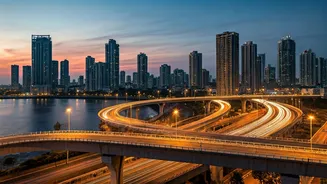

Early 21st Century
Hareshwar Patil, representing Shiv Sena, held the mayoral position from April 29, 1999, to March 5, 2002. His term marked the beginning of the 21st century
for Mumbai, a time of swift urban development and growing civic requirements. During his tenure, the city began to grapple with the complexities of rapid growth. The demands on civic services increased, and the city faced the task of modernizing and expanding its infrastructure. Patil's leadership during this period set the stage for the challenges and opportunities that would shape Mumbai in the years to follow, as the city prepared to manage the pressures of a growing population and infrastructure development. This early phase of the 21st century placed significant pressure on the municipal corporation and its leadership.
Expanding Mumbai's Footprint
Mahadeo Deole, also from Shiv Sena, served as mayor from March 6, 2002, to February 17, 2005. His term coincided with an expansion phase for Mumbai, as the city's population grew and infrastructure demands surged. Deole's leadership was critical in addressing these pressures. He oversaw initiatives aimed at accommodating the increasing number of residents and improving the city's infrastructure. These improvements were crucial for supporting the city’s development and enhancing the quality of life for its citizens. During Deole's tenure, the city began to formulate plans to handle the demands of its rising population and the necessity for more advanced infrastructure. This period highlighted the importance of mayoral leadership in guiding Mumbai through periods of rapid growth and change.
Planning Urban Renewal
Datta Dalvi, another Shiv Sena representative, was mayor from February 18, 2005, to March 9, 2007. His term was marked by significant urban renewal planning in Mumbai. Large-scale projects related to transportation, road infrastructure, and overall urban improvement were initiated under his guidance. Dalvi played a critical role in setting the groundwork for future development and modernizing the city's infrastructure. In 2023, Dalvi was arrested, adding a layer of complexity to his time in office. His leadership focused on laying the foundation for Mumbai's continued growth. These ambitious plans sought to enhance connectivity and improve the overall urban environment, shaping the city's trajectory.
Strengthening Disaster Management
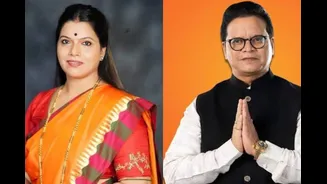
Dr. Shubha Raul, representing Shiv Sena, served as mayor from March 10, 2007, to November 30, 2009. Her tenure was particularly focused on strengthening the city's disaster management capabilities. This was a direct response to the challenges highlighted by the July 26 deluge. Dr. Raul's leadership emphasized the need to enhance Mumbai's preparedness for monsoon seasons and other potential disasters. Under her guidance, the BMC took steps to mitigate risks and improve the city's ability to cope with emergencies. The focus was on ensuring that Mumbai could effectively respond to crises. Dr. Raul's expertise also included an MD in Ayurveda, which added a unique dimension to her role.
Modernizing Municipal Governance
Shraddha Jadhav, of Shiv Sena, presided over the civic body from December 1, 2009, to March 8, 2012. Her term saw Mumbai making significant strides in public services and modernizing municipal governance. Under her leadership, the city focused on improving services and updating administrative processes to meet the needs of a growing population. Jadhav's administration implemented reforms aimed at streamlining operations and enhancing the efficiency of the BMC. Her focus was on improving the quality of life for Mumbai's residents by improving public services. This period of modernization was crucial for adapting to the changing demands of the city.
Trust and Infrastructure
Sunil Prabhu, a Shiv Sena representative, served as mayor from March 9, 2012, to September 8, 2014. During his tenure, the Brihanmumbai Municipal Corporation (BMC) received significant recognition. National surveys ranked the BMC as one of India's most trusted government institutions. Prabhu's leadership helped to maintain public trust in the city's governance and administration. Infrastructure projects and initiatives were also key priorities, enhancing the city’s ongoing development. His term was marked by efforts to improve the city's infrastructure and uphold its reputation for efficient governance. Prabhu now serves as the MLA from Dindoshi, Mumbai, continuing his involvement in public service.
First Dalit Woman Mayor
Snehal Ambekar, representing Shiv Sena, made history by becoming Mumbai's first Dalit woman mayor. Her term, from September 9, 2014, to March 8, 2017, was a landmark achievement. It marked a significant milestone in social representation within the city's top civic office. Ambekar's presence in the mayoral role symbolized progress and inclusivity. Her leadership brought new perspectives to the governance of Mumbai and inspired greater diversity within its leadership. This was a crucial step towards reflecting the city’s diverse population in its leadership. Ambekar's tenure was a powerful demonstration of the city's evolution and commitment to equality.
Infrastructure and Redevelopment
Vishwanath Mahadeshwar, of Shiv Sena, served as mayor from March 9, 2017, to November 21, 2019. His time in office coincided with an extensive phase of infrastructure expansion and urban redevelopment across Mumbai. Mahadeshwar oversaw the implementation of various projects aimed at improving the city's infrastructure and modernizing its urban spaces. His leadership focused on enhancing the quality of life for Mumbai's residents through strategic infrastructure development. The goal was to ensure the city remained a vibrant and livable environment. This time period focused on enhancing connectivity, accessibility, and the overall aesthetic appeal of Mumbai's urban landscape.
Leading Through Pandemic
Kishori Pednekar, of Shiv Sena, held the mayoral position from November 22, 2019, to March 8, 2022. She led Mumbai through the challenging COVID-19 pandemic. Pednekar's leadership was tested during the crisis as she managed the city's response to the pandemic. She was involved in critical decision-making processes aimed at safeguarding public health and safety during the crisis. Pednekar also faced allegations of corruption related to the body bag scam, which brought scrutiny to her tenure. Her leadership during this unprecedented period highlighted her commitment to the city and the many challenges it faced. The decisions and actions taken during the pandemic shaped the city's response and recovery.