





Geopolitical Shifts Converge
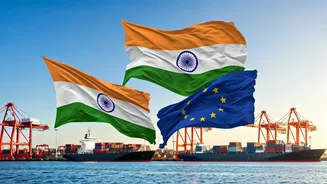
The India-EU FTA's successful conclusion appears to be a direct consequence of a world in constant flux, where the established order faces significant
challenges. The discussions gained momentum due to a confluence of geo-economic shifts. These included a desire by both India and the EU to diversify their trade partnerships, reduce dependence on single entities, and strengthen their respective economic positions on the global stage. This desire to broaden the economic horizon was further fueled by disruptions in global supply chains, geopolitical tensions, and the need to find new markets and reliable partners. The changing world, with its inherent unpredictability, thus acted as a catalyst, pushing the talks towards a successful conclusion. The emphasis on adaptability was evident in how both sides managed to address the complexities of this comprehensive trade agreement.
Diplomacy and Persistence
While external events played a pivotal role, the FTA's accomplishment also highlights the value of persistent diplomatic efforts. The negotiations required a delicate balance of interests, compromise, and a shared vision for the future. Overcoming various trade barriers, aligning regulatory frameworks, and addressing concerns related to market access were challenging aspects that called for patience and skill. Diplomats from both India and the EU worked diligently, showing a commitment to bridging differences and reaching mutually beneficial outcomes. The eventual conclusion of the FTA reflects their dedication to building a robust and resilient economic partnership. This collaboration underscores the importance of persistent dialogue in navigating complex international trade negotiations, even when faced with significant global pressures.
Responding to Uncertainty
The FTA between India and the EU can be seen as a proactive response to the increasingly unpredictable nature of the global environment. The world faces various challenges, including geopolitical instability, rising protectionism, and the need for economic resilience. By forging a closer economic partnership, India and the EU have taken measures to mitigate some of these risks. The agreement strengthens economic ties and fosters cooperation on a range of issues, from trade and investment to sustainability and technology. This collaborative approach enhances the ability to navigate uncertainties and respond to emerging challenges more effectively. It signals a move towards greater interdependence, which is vital in the current global climate.
A New Partnership Begins
The India-EU FTA represents the beginning of a new chapter in their economic relationship. It is expected to create new opportunities for businesses, boost investment flows, and promote economic growth in both regions. The agreement will reduce trade barriers, streamline regulations, and facilitate greater access to each other's markets. This will encourage companies to expand their operations, create jobs, and foster innovation. The FTA also provides a framework for future cooperation on a range of issues such as climate change, digital transformation, and sustainable development. It is a sign of a shared commitment to a rules-based global order. The agreement thus underscores a strategic partnership focused on mutual benefit and shared prosperity.