





The Shifting Cholesterol Landscape
The traditional view of high cholesterol as a concern solely for individuals past 40 is rapidly becoming obsolete, particularly in urban India. A growing
number of young adults, even in their early twenties, are presenting with elevated cholesterol levels. This alarming trend is largely attributed to the pervasive influence of modern lifestyles, characterized by prolonged periods of physical inactivity, the consumption of highly processed foods, increased stress levels, inadequate sleep, and the prevalence of obesity. These factors combine to accelerate the development of metabolic disorders and early arterial damage, a stark contrast to previous generations where such issues manifested much later in life. The silent progression of atherosclerosis, the process of plaque buildup in arteries, can commence much earlier than symptoms appear, creating a hidden risk that many young people are unaware of.
Understanding Atherosclerosis
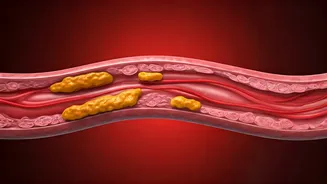
Atherosclerosis, the underlying mechanism for much of the damage caused by high cholesterol, is a gradual process. It involves the insidious accumulation of fatty deposits, primarily LDL cholesterol, within the inner lining of blood vessels. Over time, these deposits harden and narrow the arteries, a condition that restricts the efficient flow of blood to vital organs like the heart and brain. This silent vascular deterioration can continue for years, even decades, without producing any noticeable symptoms. Consequently, individuals may feel perfectly healthy while significant internal damage is occurring. By the time outward signs such as chest discomfort, shortness of breath, or more severe events like heart attacks manifest, the underlying arterial disease is often in an advanced stage, making intervention more challenging and outcomes potentially more serious.
The Critical Need for Early Screening
One of the most insidious aspects of elevated cholesterol is its asymptomatic nature. Unlike an infection or an injury, high cholesterol rarely presents with pain or visible external signs, making it a 'silent killer.' A young person might appear outwardly healthy, maintain an ideal weight, and still harbor dangerously high levels of LDL cholesterol without any inkling. Early screening, through a simple and accessible lipid profile test, is paramount. It empowers healthcare providers to identify elevated cholesterol levels before significant plaque buildup occurs, offering a crucial window for individuals to implement corrective lifestyle changes. Furthermore, early detection can uncover genetic predispositions, such as familial hypercholesterolemia, a condition causing exceptionally high LDL cholesterol from a young age, often going undiagnosed until a critical cardiac event affects a family member.
Cumulative Exposure and South Asian Risk
The impact of high cholesterol is not merely about the peak level reached, but also about the duration of exposure. The longer blood vessels are subjected to elevated cholesterol levels, the greater the cumulative damage. Therefore, initiating management and control at an earlier age significantly reduces lifetime vascular damage and lowers the long-term risk of cardiovascular events like heart attacks and strokes. Compounding this concern is emerging research highlighting that cardiovascular diseases are increasingly affecting younger adults, particularly within the South Asian population. This demographic exhibits a higher genetic predisposition to heart disease, underscoring the vital importance of proactive and widespread preventive screening within India.
Proactive Steps for Youth
Despite being simple, affordable, and readily available, cholesterol testing is often unnecessarily delayed by many young adults. Establishing a baseline lipid profile in one's twenties provides invaluable insight into individual cardiovascular risk and allows for effective monitoring of cholesterol levels over time. Individuals with a family history of heart disease, diabetes, obesity, those who smoke, have high blood pressure, or lead sedentary lives should be particularly vigilant about undergoing regular screenings. Factors like poor sleep quality, chronic stress, and poor dietary habits also significantly contribute to the escalating cholesterol levels observed in younger demographics. Importantly, lifestyle modifications are often highly effective in improving cholesterol in younger individuals. Reducing intake of processed and fried foods, increasing dietary fiber, engaging in consistent physical activity, maintaining a healthy weight, ensuring sufficient sleep, and managing stress can all naturally help to lower cholesterol. Avoiding smoking and moderating alcohol consumption are also critical for long-term heart health.
Lifestyle Medicine Over Medication
For a significant portion of young individuals diagnosed with elevated cholesterol, comprehensive lifestyle changes can lead to substantial improvements, often negating the immediate need for medication. Adopting a diet rich in whole foods, lean proteins, and healthy fats, coupled with regular aerobic and strength training, forms the cornerstone of this approach. Furthermore, prioritizing adequate sleep (7-9 hours per night) and implementing effective stress management techniques, such as mindfulness or yoga, are equally vital. While lifestyle interventions are powerful, it's crucial to acknowledge that for some, particularly those with genetic cholesterol disorders or extremely high LDL levels, pharmacological treatment such as statins may still be necessary, even at a young age. A personalized approach guided by healthcare professionals ensures the most effective management strategy.
Prevention: A Lifelong Journey
Treating high cholesterol by waiting until middle age is akin to inspecting a building only after visible structural damage has occurred. Effective prevention is a long-term strategy that must commence early in life, well before any symptoms surface. The objective extends beyond merely achieving a favorable number on a lab report; it involves cultivating sustainable lifestyle patterns that promote cardiovascular well-being throughout an individual's entire life. Embracing a proactive stance towards heart health in youth lays the foundation for a healthier future, mitigating the risks associated with arterial damage and its potentially severe consequences.