



The Rise of Dark Showers
In India, where sleep difficulties are increasingly common, a unique bedtime ritual called 'dark showering' is gaining traction. Many individuals are turning
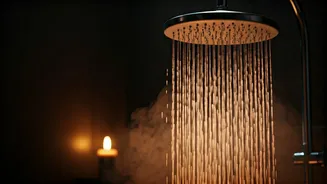
to this practice, which involves bathing in minimal light, to find faster and more peaceful sleep. This trend emerges as a response to widespread issues like chronic insomnia, affecting up to 20% of adults, and broader sleep-related symptoms experienced by half the population. As people seek simple lifestyle adjustments to improve their well-being, dark showering offers an accessible method to unwind. It’s a fascinating approach that prompts us to question whether it’s a genuine sleep aid or just another fleeting internet sensation. The core idea is to create an environment that signals to your body that it's time to transition from wakefulness to rest, a concept rooted in understanding our natural circadian rhythms.
Ancient Wisdom Meets Modern Science
The practice of dark showering subtly blends ancient Ayurvedic principles with modern sleep science. Ayurveda, the traditional Indian system of medicine, views bathing not merely as a hygiene act but as a ritual that purifies both the body and the mind, easing physical and mental tension. Evening baths, in particular, are cherished for their ability to calm the senses, preparing one for a night of restorative slumber. This aligns perfectly with the dark showering trend, which aims to enhance this inherent calming effect. Furthermore, scientific research supports the benefits of reduced light exposure. Studies suggest that minimising bright light in the hours leading up to sleep helps to lower overall stimulation, enabling the brain to relax more readily and fostering a sense of mental tranquility before bedtime. The interplay between these traditional practices and contemporary findings underscores the potential efficacy of this low-light bathing routine.
The Science of Sleep and Light
The way we interact with light, especially in the evening, has a profound impact on our sleep cycles. Our bodies are finely tuned to natural light cues, with a hormone called melatonin playing a crucial role in regulating the sleep-wake cycle. Melatonin is produced by the pineal gland and its release is triggered by a decrease in light. By deliberately reducing light exposure during a dark shower, we indirectly support the natural production of melatonin, signalling to our brains that it's time to wind down. Compounding this effect, research in sleep medicine indicates that warm showers themselves can aid in falling asleep faster. A warm bath or shower initially raises your core body temperature, but the subsequent cooling process after exiting the water mimics a natural drop in body temperature that occurs before sleep, essentially tricking your body into preparing for rest. Combining the gentle warmth of a shower with the dim ambiance of low light creates a powerful, synergistic effect.
Stress Relief and Well-being
In our fast-paced lives, daily stressors from work and personal commitments can leave our minds racing, making it difficult to switch off. The simple act of taking a dark shower before bed offers a much-needed respite from this constant mental chatter. By creating a serene and dimly lit environment, you encourage your mind to detach from the day's worries and transition more smoothly into a state of relaxation. This dedicated time for self-care, free from bright screens and overwhelming stimuli, helps in managing stress and promoting emotional balance. Evidence-based research highlights the restorative benefits of bathing, suggesting it can significantly support relaxation and overall well-being. Integrating calming rituals like dark showering into your daily routine can serve as a grounding practice, enhancing your ability to cope with life's challenges and improve your general state of mental health.
Safety First with Dim Light
While the concept of dark showering is appealing for its sleep-inducing benefits, it's essential to prioritise safety, especially in a bathroom environment. Bathrooms can become hazardous, with increased risks of slips and falls, particularly when visibility is severely limited. Individuals who are elderly, have impaired vision, or any mobility issues should exercise extreme caution or opt for a safer alternative. A fully dark shower might not be suitable for everyone. A practical and much safer approach involves using a very dim, soft light source. This could be a low-wattage bulb or even a few strategically placed, dimmable lights that reduce harshness without plunging the room into complete darkness. If you choose to incorporate dark showering into your routine, always ensure your bathroom is made as safe as possible to prevent accidents and enjoy the calming experience without compromising your physical security.