




Foundational Deadlift Technique
The deadlift stands out as a highly effective full-body exercise, but its benefits are fully realized only when executed with pristine technique. For newcomers,
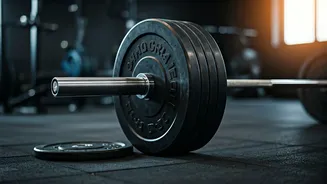
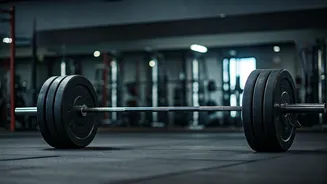
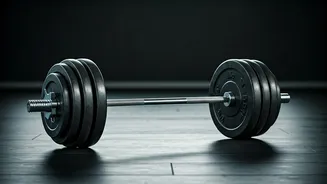
initiating the movement with a focus on proper form, rather than immediate heavy lifting, is paramount to preventing strain on the lower back and joints. The journey begins with precise foot placement, establishing a solid base approximately hip-width apart, with the barbell positioned very close to your shins. This initial setup ensures you are in an optimal starting position. The subsequent step involves hinging at the hips, a movement that mirrors pushing your glutes backward, while maintaining a neutral, straight spine. Simultaneously, a slight bend in the knees allows you to reach down and grip the bar just outside of your legs. This controlled descent is crucial for setting up the lift. Engaging your core muscles strongly and keeping your chest lifted and open prepares your body for the upward phase, creating a stable platform from which to lift. The upward drive is initiated by pushing through your heels, a powerful extension of both your hips and knees that brings you to a standing, upright position. Throughout this lift, the barbell should maintain close proximity to your body, resting against your thighs as you ascend. This attention to detail in each phase, from the initial stance to the lockout, is the bedrock of a safe and effective deadlift, maximizing muscle engagement while minimizing risk.
Descending Safely
Once you have successfully completed the upward phase of the deadlift, the descent requires a deliberate reversal of the motion to maintain spinal integrity and control. The key is to initiate the downward movement by first hinging at your hips, much like you did when preparing for the lift. This backward push of the hips should occur before you allow your knees to bend. As you hinge, keep the barbell close to your body, allowing it to slide down your thighs. Only once the bar has passed your knees should you begin to bend your knees further to guide the bar back to the floor. This controlled lowering phase is as critical as the lift itself, preventing a sudden drop that could jar your back or joints. By consciously reversing the steps of the upward movement, you ensure that the same muscles engaged during the lift are also controlled during the descent, promoting a smooth and safe return to the starting position. This methodical approach to lowering the weight contributes significantly to the overall safety and effectiveness of the deadlift, reinforcing good habits and building confidence in your ability to manage the load throughout the entire range of motion.
Building Confidence & Strength
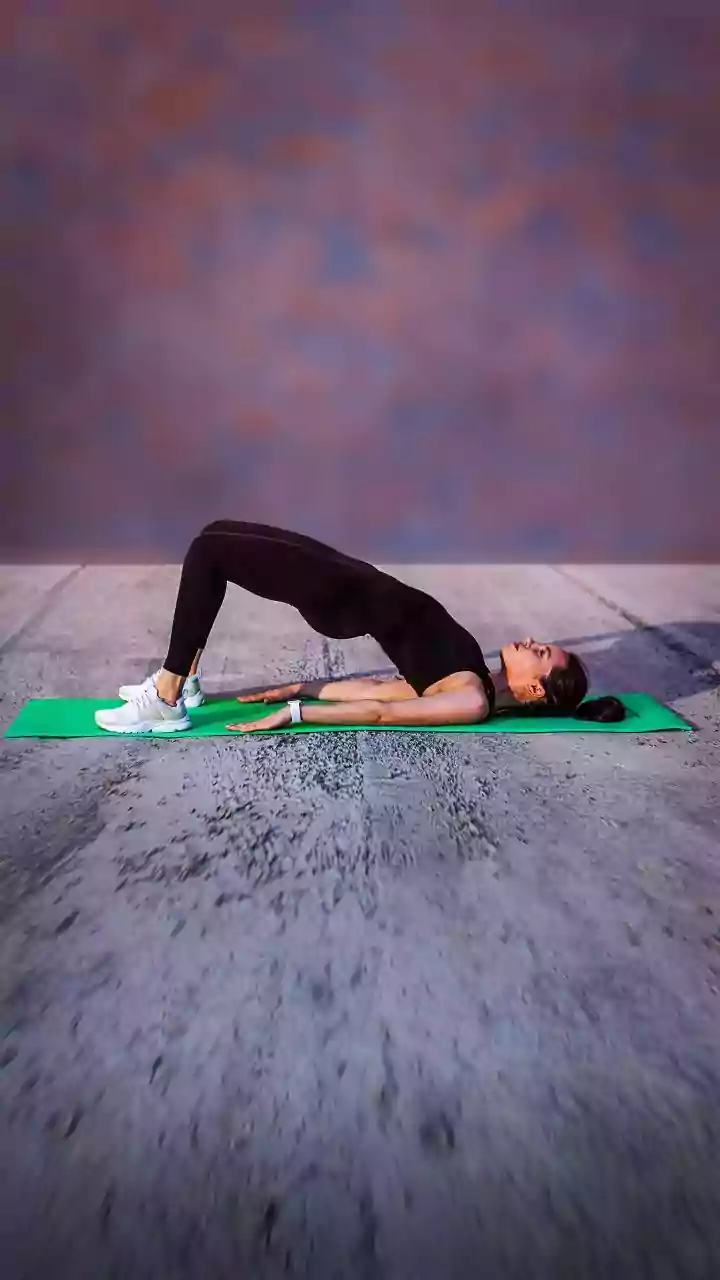
Many individuals harbor a fear of back injury when considering the deadlift, but this apprehension often stems more from improper technique than the exercise itself. To cultivate confidence and proficiency, it's essential to strengthen the supporting musculature, particularly the core and the posterior chain. Engaging in targeted exercises like glute bridges, planks, and hip hinges can significantly enhance your body's ability to maintain a stable and neutral spine during lifting. These preparatory movements train the specific patterns needed to protect your back under load. To further ease into the deadlift, it is highly recommended to start with an extremely light weight, or even just a practice bar or stick, to meticulously rehearse the movement pattern. The focus should be on executing each phase with deliberate, controlled movements rather than attempting to rush through repetitions. Consider utilizing flat-soled shoes to provide a stable base, and if possible, practice in front of a mirror or with the guidance of a qualified trainer. This visual feedback and expert oversight are invaluable for ensuring correct alignment and reinforcing proper form. Patience and consistency in building strength through these supporting exercises and carefully practicing the deadlift motion itself will pave the way for greater confidence and reduced risk of injury.
Common Mistakes to Sidestep
When performing deadlifts, several common errors can compromise safety and effectiveness. One of the most prevalent mistakes is allowing the lower back to round during the lift. This curvature places undue stress on the spinal discs and ligaments. To combat this, consistently practice hip hinge drills and consciously maintain a lifted chest throughout the entire movement, ensuring your spine remains in a neutral position. Another frequent error is letting the barbell drift away from your body’s center of mass. The bar should remain in close contact with your shins and thighs from the floor to the lockout position. This proximity reduces the leverage working against your back, making the lift more efficient and safer. Furthermore, many beginners mistakenly attempt to pull the bar upward primarily with their arms. Instead, the deadlift should be viewed as a powerful push through the floor with your legs and hips. Shifting this mental cue will direct the force generation to the correct muscle groups. Finally, prematurely increasing the weight too rapidly is a common pitfall that often leads to compromised form. Patience, gradual increases in resistance, and consistent feedback from a knowledgeable coach or trainer are absolutely crucial for mastering the deadlift safely and effectively.