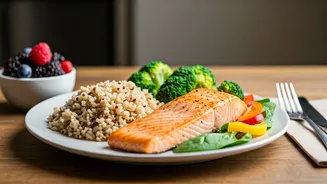







The Protein Paradox
Many individuals striving for weight loss unknowingly make a critical error: not consuming enough protein. This oversight can significantly hinder progress
and impact long-term health. While the allure of quick fixes and popular fitness trends is strong, experts emphasize that sustainable weight management hinges on avoiding common metabolic missteps. Instead of chasing temporary results, focusing on evidence-based nutritional strategies is paramount. A gastroenterologist recently highlighted his own past mistake of inadequate protein intake, a common pitfall that can lead to a slower metabolism and increased cravings due to nutrient deficiencies. This issue is particularly impactful as we age, affecting muscle mass which is vital for maintaining a healthy metabolic rate. Ensuring sufficient protein is therefore not just about weight, but also about overall bodily function and resilience.
Protein and Muscle Synergy
Protein is a cornerstone for building and maintaining muscle, a key component in metabolic health. However, simply increasing protein intake without corresponding muscle-building activities like strength training can be counterproductive. When protein intake outpaces the body's ability to utilize it for muscle synthesis, the excess protein contributes to your overall calorie intake, potentially leading to weight gain. High-protein foods, while nutritious, are dense in energy, and overconsumption without increased physical activity can negate fat loss efforts. It's crucial to understand that exercise, particularly resistance training, acts as a signal to the body to develop or preserve muscle tissue. Without this signal, the body may use protein for energy or store it, rather than using it for muscle development. Therefore, protein alone doesn't build muscle; exercise dictates how it's utilized.
Mastering Protein Pacing
The most effective approach to protein consumption for weight management is known as protein pacing. This involves distributing your recommended daily protein intake evenly across multiple meals throughout the day. This strategy is generally suitable for most individuals, with exceptions for those with specific protein metabolism disorders or kidney conditions requiring protein restriction. To implement protein pacing, first determine your total daily protein needs based on your body weight and activity level. Then, divide this amount into several smaller, consistent servings to be consumed at regular intervals. This consistent intake throughout the day helps optimize satiety, supports muscle maintenance, and enhances your metabolism, contributing to more effective weight loss.
Beyond Fat Burning
While protein itself doesn't directly burn fat, its role in weight loss is multifaceted and crucial. A primary benefit of adequate protein consumption at each meal is its impact on satiety, helping to curb cravings and reduce the likelihood of overeating, particularly carbohydrates. This, in turn, can help manage overall calorie intake. Furthermore, the process of digesting protein requires more energy than digesting carbohydrates, meaning your body expends slightly more calories when processing protein. This thermic effect, combined with better appetite control and muscle preservation, contributes to a lower overall calorie deficit, which is fundamental for successful weight loss. By strategically incorporating protein into your meals, you create an internal environment that naturally supports your weight management goals.