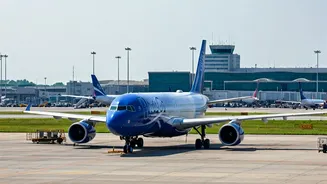

Flight Cancellations Surge
The aviation landscape recently witnessed significant turmoil, with IndiGo airlines cancelling a substantial number of flights. Reports indicated that
over 100 flights were grounded on a particular day, causing widespread disruption for passengers. This wave of cancellations led to considerable inconvenience, affecting travel plans and highlighting operational challenges within the airline. The scale of the cancellations immediately triggered concern, leading to scrutiny from regulatory bodies and the public. Passengers found themselves stranded or forced to make alternative arrangements, further underscoring the severity of the situation. This series of events prompted questions about the underlying causes and the airline's preparedness for handling such disruptions.
DGCA Summons CEO
Following the substantial flight cancellations, the Directorate General of Civil Aviation (DGCA) took decisive action by summoning the CEO of IndiGo. This summons reflected the gravity of the situation and the regulatory body's concern over the operational issues. The DGCA's intervention signaled a need for an explanation from the airline's leadership regarding the root causes of the disruptions and the measures being implemented to prevent future incidents. The summons placed additional pressure on IndiGo to address the concerns and implement effective solutions to restore normal operations. Discussions between the CEO and DGCA likely centered on immediate steps, long-term strategies, and assurances to the public regarding flight reliability and passenger safety. This high-level meeting marked a crucial moment in the airline's crisis management.
Causes Behind Disruptions
While specific causes were not explicitly mentioned in the source material, it's generally understood that various factors can contribute to flight cancellations. These can include operational issues, such as aircraft maintenance, crew scheduling problems, and adverse weather conditions. External challenges, such as air traffic control delays or airport congestion, may also play a role. Investigating the causes is crucial for understanding the problem and identifying preventative measures. Comprehensive analysis helps to pinpoint the precise factors that led to the flight disruptions. Airlines often conduct internal reviews to evaluate the effectiveness of their operations and identify areas for improvement. Addressing the underlying causes is critical for preventing similar incidents from recurring and maintaining passenger confidence.
Passenger Compensation Offered
In response to the travel disruptions, IndiGo announced measures to compensate affected passengers. Passengers stranded between December 5th and 7th were offered vouchers worth ₹10,000. The compensation aimed to address the inconvenience and provide some financial relief to those impacted by the cancellations. This move demonstrated the airline's commitment to mitigating the effects of the disruptions and maintaining a degree of customer goodwill. The specific details of the compensation, including eligibility criteria and redemption process, were likely communicated to passengers through various channels. Offering compensation represents a standard industry practice during significant disruptions and aims to ease passenger frustration. By providing financial support, airlines seek to manage the consequences of operational issues and demonstrate accountability to their customers.