





Physical Preparedness First
The pilgrimage to Kedarnath, while spiritually rewarding, presents a significant physical challenge, especially the ascent from Gaurikund. The trail is
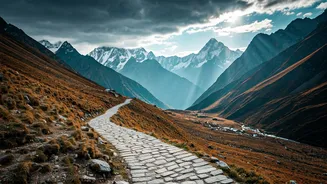
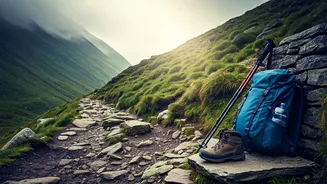
marked by steep inclines, unpredictable weather shifts, and the thinning air of high altitudes. To make your journey more manageable and enjoyable, it is highly recommended to begin a fitness regimen several weeks prior to your departure. Incorporate activities such as brisk walking, stair climbing, and cardiovascular exercises to build stamina. Crucially, pack only your absolute essentials in a comfortable, well-fitting backpack. Do not underestimate the trek's difficulty simply because many pilgrims complete it annually. Many encounter common issues like extreme fatigue, shortness of breath, and muscle cramps when they arrive without adequate preparation. A proactive approach to fitness will undoubtedly contribute to a safer, smoother, and far more fulfilling pilgrimage experience for individuals of all age groups.
Layer Up Wisely
The climate in Kedarnath is notorious for its rapid and dramatic changes; a bright, sunny morning can swiftly transition into an evening of rain, biting winds, or temperatures dipping close to freezing. To combat these volatile conditions, it is imperative to pack accordingly. Always include thermal undergarments, warm gloves, extra socks, a sturdy waterproof jacket, and reliable rain protection. The most effective strategy for dressing is through layering, allowing you to adjust your clothing as temperatures fluctuate throughout the day. Do not make the mistake of relying solely on the daytime warmth or assuming that a summer visit guarantees comfortable temperatures in the Himalayas. A common pitfall for many travelers is packing only light cotton clothing, which offers little protection against the cold. Maintaining warmth and staying dry are fundamental to preventing illness, warding off exhaustion, and mitigating discomfort associated with the high altitude during your sacred journey.
Mind Your Altitude
The effects of high altitude can impact even those in good physical condition. Throughout your trek, it is vital to maintain consistent hydration by drinking water frequently and to sustain your energy levels by consuming light, easily digestible meals. Carrying rehydration salts (ORS), dried fruits, and simple snacks will provide quick energy boosts and aid in recovery. Adopt a steady walking pace, pausing for rest whenever your body signals the need. Never dismiss symptoms such as dizziness, headaches, nausea, or unusual breathlessness, as these could be indicators of altitude sickness. If your symptoms intensify, it is crucial to seek medical attention without delay. Resist the urge to rush through the trek; paying close attention to your body's signals is one of the most prudent strategies you can employ on the Kedarnath route. Prioritizing your well-being ensures you can fully embrace the spiritual essence of the pilgrimage.
Respect the Sacred Space
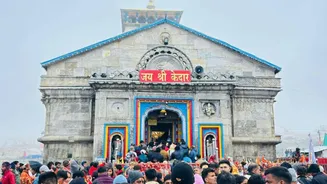
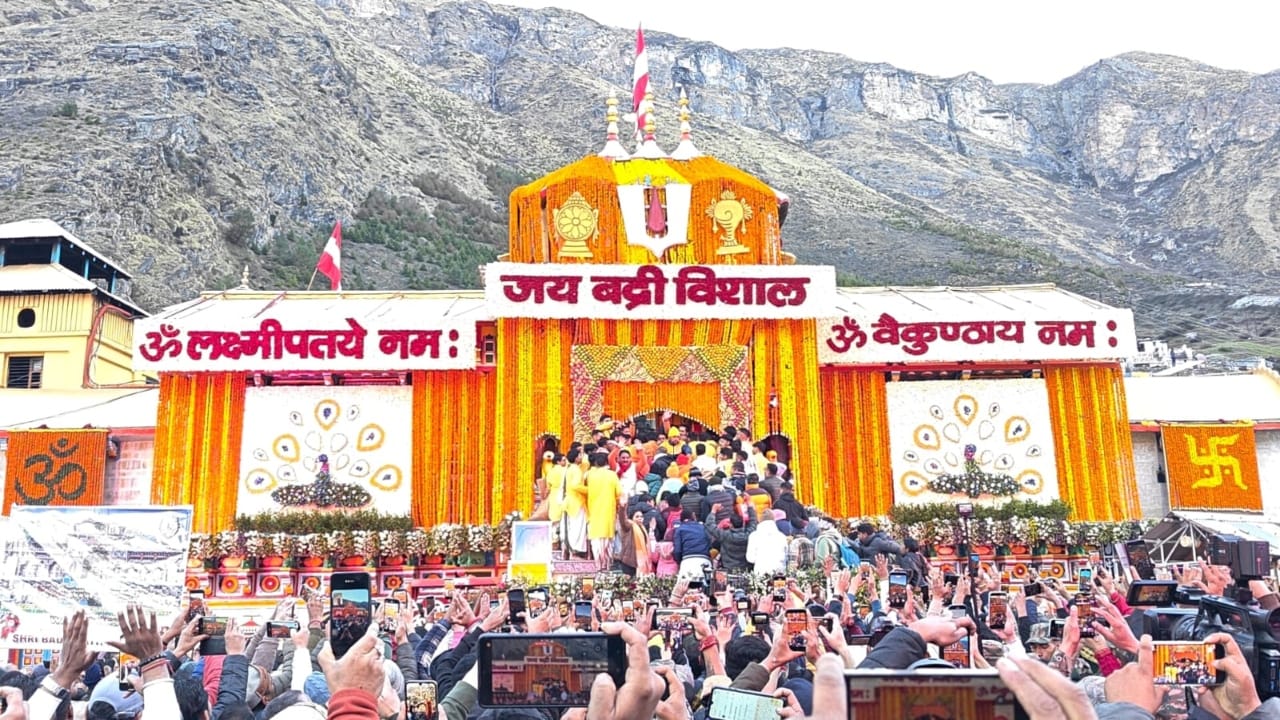
Kedarnath is revered not only as a tourist attraction but as one of India's most sacred pilgrimage sites. It is essential to conduct yourself with utmost respect for its spiritual significance. Dress modestly, adhere to designated queue systems, and always heed the guidance of local authorities or temple staff. Maintaining a serene and respectful demeanor, especially in the vicinity of the shrine, is paramount to preserving the tranquil atmosphere. Furthermore, responsible waste management is critical: carry your refuse back with you or utilize the provided waste bins. Littering, including discarded plastic bottles, wrappers, or food waste, pollutes the pristine environment of the route. Avoid disruptive behaviors such as playing loud music or shouting. Such conscientious conduct not only helps in preserving the sanctity and natural beauty of this revered region but also ensures a more harmonious and enriching experience for all fellow pilgrims undertaking their spiritual journey.
Plan Your Journey
Before you even set foot on the Kedarnath trail, thorough planning is indispensable. Ensure all necessary registrations are completed, verify the current status of the route, and stay updated on weather forecasts. Potential disruptions like landslides, rain alerts, or temporary route restrictions can significantly impact travel plans in the region. If you intend to use services like ponies, palkis, or helicopters, especially during the peak tourist season, it is advisable to book them well in advance. Keep essential documents such as your ID proof, emergency contact numbers, and a portable power bank for your phone readily accessible. Embarking on this journey without meticulous planning, particularly during the monsoon season or periods of heavy pilgrimage crowds, can lead to unforeseen delays, compromise your safety, and cause unnecessary stress. A well-organized trip offers greater peace of mind and more time to focus on the spiritual aspect of your darshan.