





Smart Snacking Choices
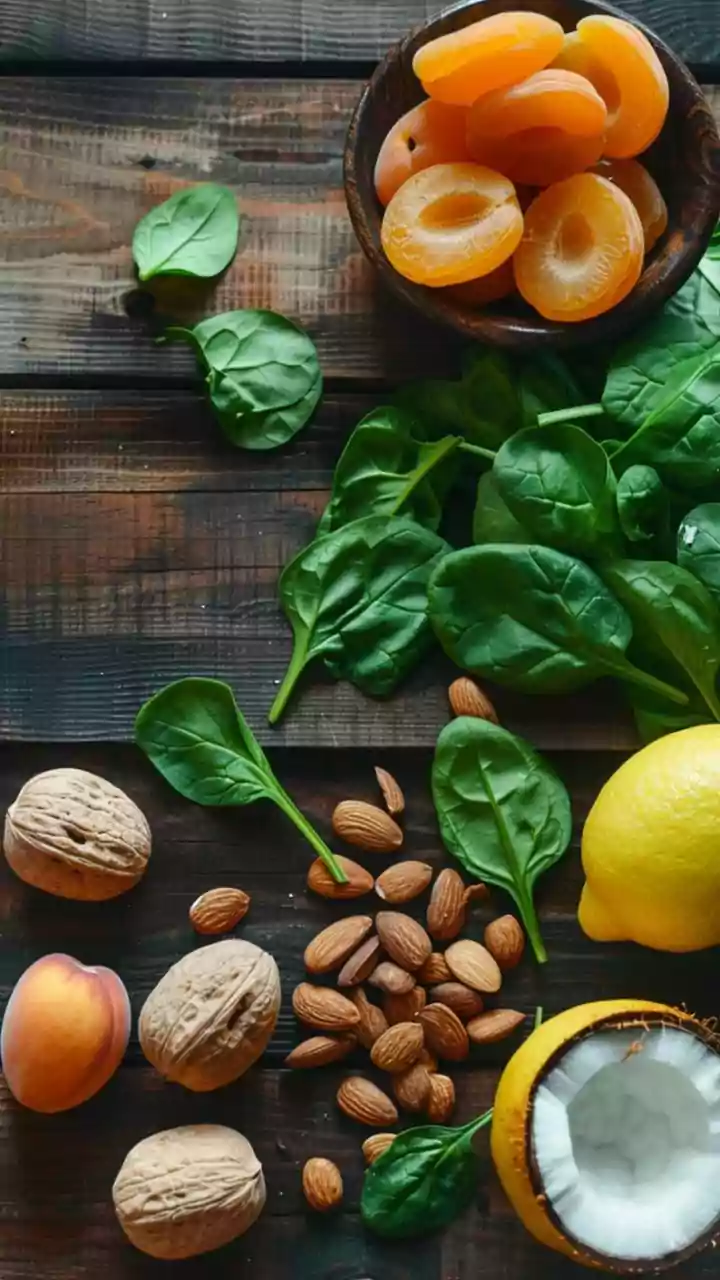
Not all dried fruits offer the same advantages for your heart. For those prioritizing cardiovascular well-being, focusing on nuts like almonds, walnuts,
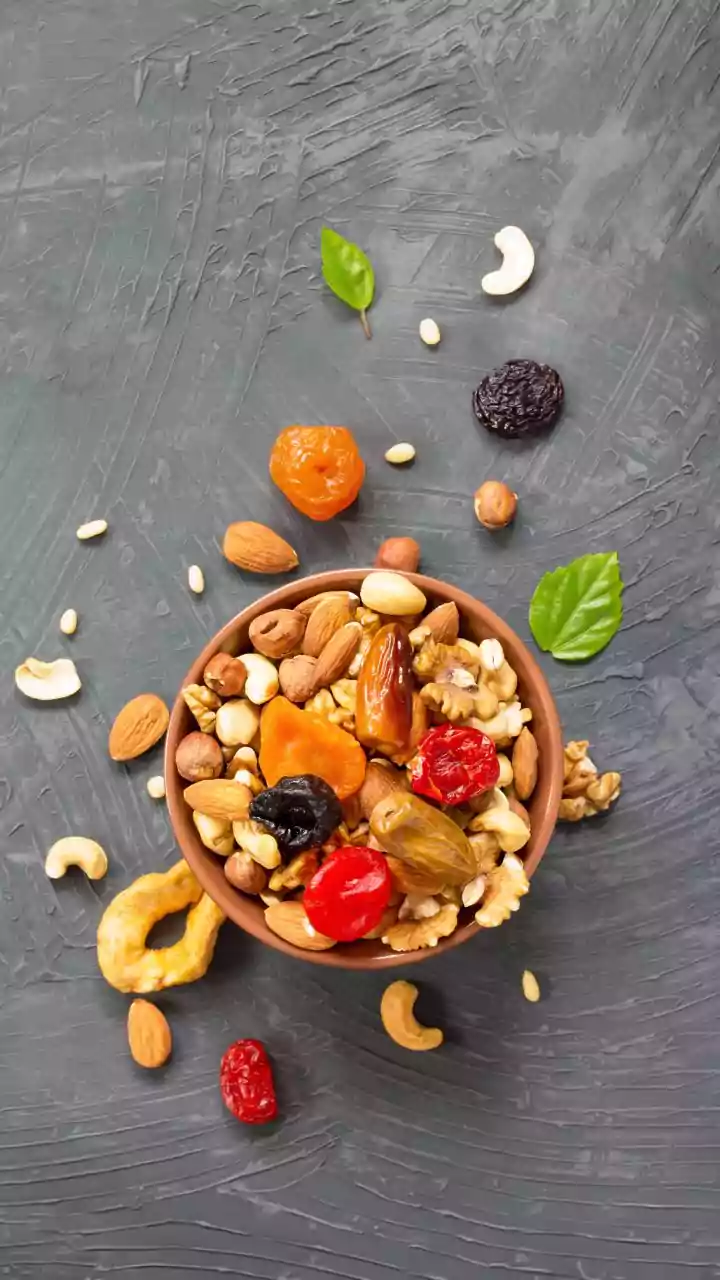
and pistachios is highly recommended. These are packed with beneficial unsaturated fats, essential dietary fiber, and potent antioxidants, all contributing to a healthy circulatory system. Including moderate amounts of naturally dried fruits such as raisins and figs can also be advantageous due to their inherent fiber and micronutrient profiles. However, it's crucial to steer clear of processed varieties that are excessively sweetened, coated in sugar (candied), or heavily salted, as these can lead to detrimental increases in sodium and sugar consumption, negatively impacting heart health.
Navigating Natural Sugars
Dried fruits, while natural, contain concentrated sugars that require mindful consumption, particularly for individuals managing diabetes or metabolic conditions. It's important to remember that even natural sugars contribute to your overall sugar intake. To mitigate potential rapid blood sugar increases, it's advisable to consume dried fruits in conjunction with other foods, such as nuts, or after a meal, rather than on an empty stomach. This approach helps in achieving a more balanced glycemic response.
Cholesterol and BP Benefits
When incorporated wisely into your diet, dried fruits can contribute positively to managing cholesterol and blood pressure levels. Walnuts and almonds, specifically, are excellent sources of heart-friendly fats that have been shown to improve cholesterol profiles over time. Additionally, fruits like raisins and apricots are notable for their potassium content, a mineral vital for supporting healthy blood pressure regulation. The key to realizing these benefits lies in consistent, moderate consumption rather than indulging in large quantities.
Portion Control is Key
Even the most beneficial foods can become detrimental if consumed in excess. A recommended daily portion for dried fruits is a small handful, approximately 5 to 10 nuts or 1 to 2 tablespoons of dried fruit. Overindulging can lead to excessive calorie intake, potentially contributing to weight gain, which is a recognized risk factor for heart disease. Many people underestimate the calorie density of dried fruits, making portion awareness critical for maintaining a healthy weight and supporting overall cardiovascular health.