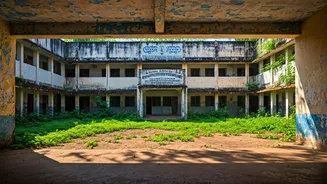

Alarming Zero Enrollments
A recent analysis has brought to light an alarming situation within Telangana's government schools, where a considerable number are failing to attract
any students. The statistics show that a total of 2,081 government schools across the state are currently experiencing zero enrollment. This implies that these schools, meant to provide education, are effectively empty, lacking a single pupil to teach. The data further emphasizes that the Nalgonda district is the most severely affected, with a staggering 315 schools grappling with this issue. This phenomenon raises critical questions regarding the factors contributing to such a stark lack of participation and the overall health of the educational infrastructure in the region, which seems to have a lot of “ghost schools”.
Nalgonda's Struggle Explained
The disproportionate impact on the Nalgonda district warrants closer inspection to understand the specific dynamics at play. The large number of schools with no students in Nalgonda, compared to other regions, suggests that particular local challenges are influencing this trend. These could include factors like population shifts, the rise of private schools, or dissatisfaction with the quality of education offered. Furthermore, the district's rural-urban distribution and economic conditions might also influence attendance rates. To grasp the full extent of this crisis, a detailed investigation into the specific reasons for the disinterest in government schools within the Nalgonda district is necessary, which will help devise customized solutions to revive these institutions.
Impact and Ramifications
The implications of such low enrollment extend far beyond mere statistics. The absence of students means that the resources allocated to these schools are not being utilized, representing a loss of investment in the future. Additionally, these developments affect the teachers and staff, potentially leading to job insecurity. Most importantly, it deprives children of educational opportunities and hinders their ability to acquire the knowledge and skills necessary for personal growth and future prosperity. The existence of empty schools raises concerns about the accessibility of education, as well as the equitable distribution of resources across the region. Consequently, the government will need to implement strategic solutions to address the situation in the affected districts.
Addressing the Crisis
To address the zero enrollment crisis, the authorities will require a multi-faceted approach. First, an in-depth evaluation of the reasons behind low enrollment must be conducted. This should include direct engagement with families, teachers, and community members to identify specific concerns and grievances. Furthermore, the government can work to enhance the quality of education by providing better infrastructure, upskilling educators, and updating curricula. Incentives to encourage enrollment might include scholarships, free meals, or other amenities to make public education more appealing. It's also important to involve local communities in school administration, ensuring they play a role in decision-making and are invested in the success of the schools.
Future Outlook and Solutions
The successful revival of these schools will require a comprehensive approach, combining infrastructural upgrades, community involvement, and educational innovation. The government needs to make sure they invest in new, more modern infrastructure to attract students. This can encompass renovating existing facilities, equipping them with modern technology, and ensuring a safe and engaging learning atmosphere. In addition, strengthening parental participation through programs and feedback mechanisms can help rebuild trust. Furthermore, innovative educational techniques and extracurricular activities should be introduced to make learning more appealing. Ultimately, reversing the trend and ensuring that the schools become vibrant centers of learning will depend on adopting a strategic long-term vision and implementing well-planned interventions.