





The Viral Video
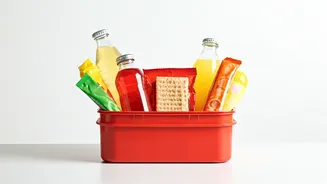
A video showcasing tiffins filled with processed foods like chips and instant noodles has garnered attention across social media platforms, igniting a discussion
on children's dietary habits. The footage, labeled as a 'sad' observation, highlighted the prevalence of unhealthy snack choices in school lunches. The visual content prompted viewers to contemplate the nutritional content of the meals being consumed by children and their impact on their overall health and well-being. The online discourse, spurred by the viral clip, has brought to light the urgent need for parents to reconsider the contents of their children's lunchboxes, emphasizing the long-term consequences of poor dietary choices on their health and development.
Health Implications Discussed
The consumption of processed foods like chips and instant noodles, prevalent in the tiffins showcased in the video, poses significant health concerns. These foods are generally high in sodium, unhealthy fats, and added sugars, yet are low in essential nutrients like vitamins, minerals, and fiber. Regular consumption of such foods can lead to childhood obesity, an increased risk of type 2 diabetes, heart problems, and other chronic diseases. Moreover, they can negatively impact children's concentration and academic performance. The lack of nutritional value in these snacks can also hinder proper growth and development, making it crucial for parents to take note of what their children eat and provide them with balanced and healthy meals.
Parents' Role
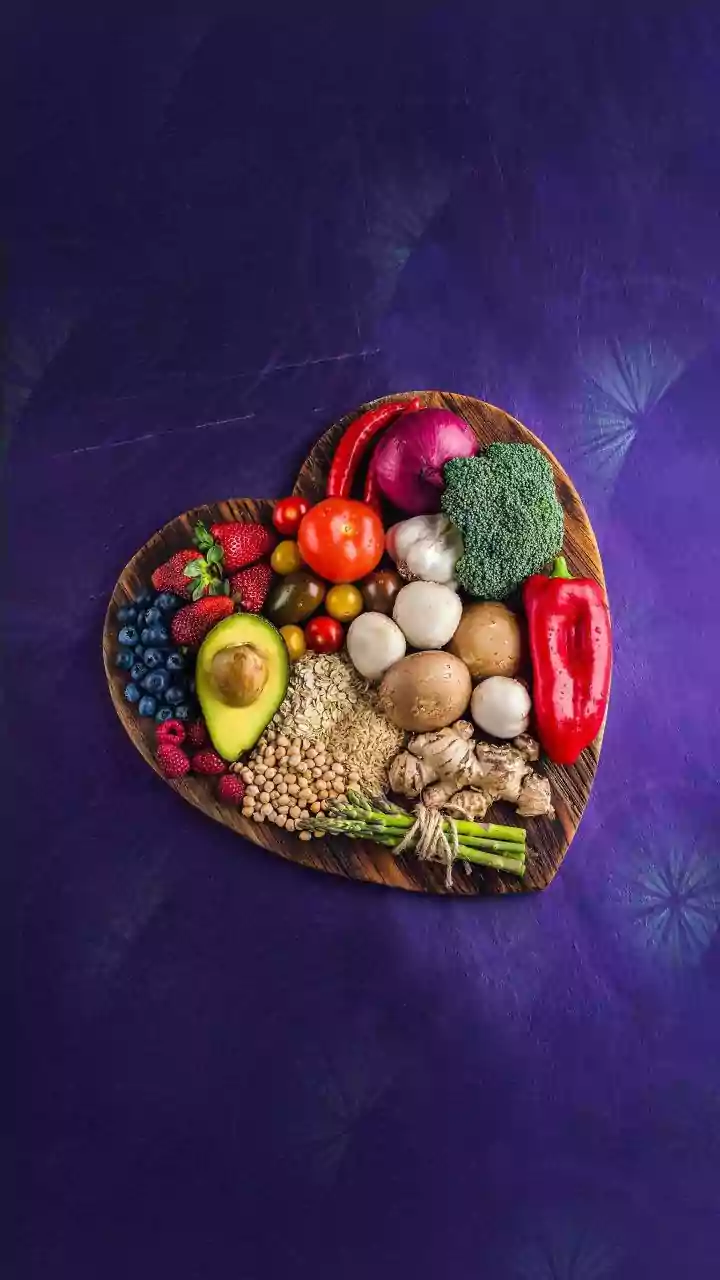
Parents play a key role in shaping their children's eating habits and overall health. They can begin by becoming more mindful of the food they buy and prepare for their kids. Replacing processed snacks with whole foods like fruits, vegetables, whole grains, and lean proteins is essential. Encouraging children to participate in meal planning and preparation can help them develop a positive relationship with food, and can make them more likely to try new healthy choices. Additionally, parents should monitor portion sizes, teach about food groups, and limit the intake of sugary drinks and snacks. Creating a home environment that promotes healthy eating habits can significantly reduce the risk of dietary-related health problems in children.
Healthy Tiffin Options
There are many healthy and exciting alternatives for children’s lunchboxes. Instead of chips, consider packing air-popped popcorn or homemade trail mix with nuts, seeds, and dried fruits. Offer whole-grain sandwiches with lean protein like chicken or turkey, combined with fresh vegetables. Cut fruits like apples, oranges, and bananas or include small containers of yogurt or cottage cheese for dairy. Homemade vegetable sticks with hummus or a small portion of a healthy dip could also be added. These substitutions can turn a lunch into a balanced and nutritious meal, helping kids to stay energized and focused throughout their school day. Remember to include water or unsweetened beverages instead of sugary drinks.