




Record Registrations Surge
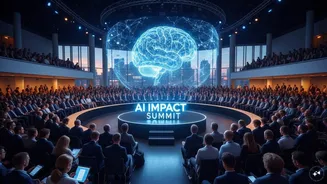
The India AI Impact Summit 2026 experienced an extraordinary surge in attendance on its second day, with the total number of registrations surpassing the three
lakh mark. This overwhelming response underscores a profound national enthusiasm for artificial intelligence. The summit's dedicated website reached its capacity, prompting organizers to advise additional participants to join virtually and follow live sessions. By the conclusion of the first day, nearly 2.5 lakh individuals had already registered, a figure that saw a substantial increase by Tuesday. The sheer volume of attendees led to significant congestion in the pavilion areas, with visitors navigating packed passageways to engage with cutting-edge AI innovations. This massive turnout signifies a collective desire to explore and contribute to the future of AI in India.
Pavilion Buzz and Innovation
The exhibition segment of the summit emerged as a major draw, featuring approximately 600 high-potential startups showcasing their AI-driven solutions across diverse industries. Complementing these innovations were 13 country pavilions and various Union government ministries, creating a dynamic showcase of global and national AI advancements. Students and researchers specializing in artificial intelligence, data science, and emerging technologies traveled in large numbers from states like Haryana, Rajasthan, Delhi, and Uttar Pradesh, many having secured their registrations weeks in advance. While initial organizational challenges were reported on Day 1, improvements were noted on Day 2, with many students deeming the experience “worth the wait.” The vibrant atmosphere was further amplified by a strong presence of security personnel, administrative teams, cleaning staff, researchers, investors, delegates, and startup representatives, all contributing to a lively and interactive environment focused on AI's practical applications.
AI for Public Health
A pivotal highlight of the second day was a focused session on the integration of artificial intelligence within public health initiatives. Minister of State for Health, Anupriya Patel, articulated India's AI philosophy, stating that it embodies "All-Inclusive Intelligence" rather than just technological advancement, aligning with Prime Minister Narendra Modi's broader vision. The minister detailed how AI is being deployed across the entire healthcare spectrum, from early disease surveillance and accurate diagnosis to effective treatment planning. Specific examples included the AI-enabled Media Disease Surveillance System, operational in 13 languages, and AI-driven genomic tools under the One Health Mission, designed to anticipate zoonotic outbreaks. Furthermore, AI-powered handheld X-ray machines are now being utilized for tuberculosis detection, reportedly contributing to a significant increase in case detection and a reduction in adverse treatment outcomes. Patel emphasized that AI serves to augment the capabilities of medical professionals, not to replace them, acknowledging the irreplaceable human element and empathy in patient care.
Youth and Viksit Bharat Vision
Union Education Minister Dharmendra Pradhan encouraged India's youth to embrace artificial intelligence proactively, viewing it as a crucial enabler for achieving the nation's vision of a 'Viksit Bharat' (Developed India) by 2047. He dispelled any notions of fear associated with AI, urging universities, startups, and major corporations to collaborate in positioning India as a preeminent global knowledge hub driven by AI. Pradhan underscored the potential of AI to navigate and leverage India's rich multilingual and multicultural landscape in transformative ways, recognizing the unique challenges and opportunities presented by this diversity. The call to action aims to harness the energy and innovative spirit of the younger generation to propel the country forward through advanced technological adoption.
Sovereign AI and Infrastructure Push
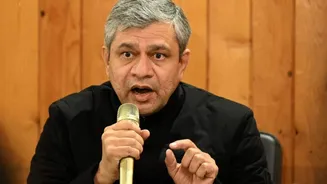
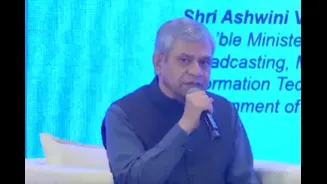
In a significant development, Union IT Minister Ashwini Vaishnaw announced that sovereign AI models developed in India have been made available at the summit and have demonstrated performance comparable to leading global AI systems on key benchmarks. Twelve organizations, encompassing startups, academic institutions, and industry players, have been selected to develop large and small language models specifically tailored to Indian datasets. The government intends to expand access to these indigenous models nationwide through AI Mission 2.0, which will prioritize building substantial infrastructure. Additionally, investors have committed to over Rs 20,000 crore in funding, anticipated to be realized within the next one to two years. Addressing concerns regarding the misuse of AI, particularly deepfakes, Vaishnaw stressed the urgent need for robust regulatory frameworks and ongoing consultations with social media platforms and industry stakeholders to implement safeguards, including age-based restrictions, ensuring compliance with India's legal structure.