




![[WATCH] 'Real Madrid, Ramadan and rest' - Mohammed Siraj how last-minute World Cup call-up changed February plan](https://g-mob.glance-cdn.com/public/fc/image/ByYT_LEmlrD0.webp)

Origins of the Tandoor
The tandoor, a cylindrical clay oven, has ancient roots, with evidence of its use dating back thousands of years in the Indus Valley Civilization. It's
believed that the technique of tandoor cooking, which involves high-heat, radiant heat, and the use of charcoal or wood for fuel, originated in Central Asia. However, its widespread adoption and evolution are closely tied to the migration of Punjabi refugees to Delhi. These refugees, uprooted by the Partition of India in 1947, brought with them not just their belongings but also their rich culinary traditions, which included the tandoor. They established eateries and introduced the tandoor to the Delhi food scene, initially targeting fellow Punjabi migrants who were familiar with the cooking style. This was the beginning of the tandoor's transformation from a traditional cooking method into a mainstream culinary art form in Delhi.
Punjabi Influence on Delhi
The arrival of Punjabi refugees significantly reshaped Delhi's social and economic fabric. They brought with them entrepreneurial spirit and a knack for adapting to new environments. Faced with establishing new lives, many opened small businesses, including restaurants and eateries. These establishments quickly became centers of social activity, bringing together communities and becoming an integral part of Delhi's urban landscape. They introduced their cuisine, which featured the tandoor as a key cooking method, to a diverse populace. The introduction of tandoor cooking was not merely the addition of a cooking technique; it was the start of a cultural exchange. The aroma of tandoor-cooked food filled the air, the unique smoky flavors captivating Delhi's residents and introducing a new dimension to their palate, permanently impacting the local culinary preferences.
Tandoor's Culinary Evolution
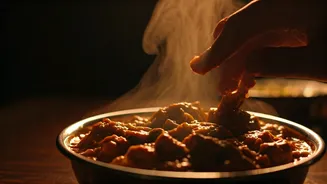
The tandoor's integration into Delhi's food culture marked a significant change in the city's culinary landscape. Initially used for making naan and roasting meats, the tandoor's versatility was soon recognized. Chefs and home cooks began experimenting with various recipes, leading to dishes like tandoori chicken, kebabs, and a range of vegetable preparations. The tandoor cooking technique offered a unique way to cook food, which enhanced the flavors of ingredients. The high heat seals in the juices while the smoky flavors infuse a distinct taste. This created an innovative menu and expanded the scope of food offered in the city. Consequently, the tandoor became synonymous with Delhi's restaurant culture, appearing on menus citywide. The tandoor transformed from a simple cooking device to a symbol of Delhi's evolving culinary traditions.
Tandoor in Daily Life
The tandoor’s presence is not limited to restaurants. It has a significant impact on daily life. From street vendors to family gatherings, the tandoor has become a part of everyday experiences. Local markets and food streets, such as Chandni Chowk, offer a variety of tandoori dishes, attracting both locals and tourists. These food stalls and eateries have transformed public spaces into lively culinary hubs. At home, while not as common, the tandoor remains a symbol of family gatherings and celebrations. It provides a means to share meals, as the cooking is often a communal activity. The tandoor’s influence extends beyond mere food consumption; it promotes cultural interaction and social cohesion within Delhi, as the city's residents continue to embrace and celebrate the culinary traditions brought by the Punjabi refugees.
The Soul of Delhi
The tandoor has evolved into much more than a cooking method; it has become a central part of Delhi's identity. The story of the tandoor is a story of resilience, cultural exchange, and culinary innovation. It showcases how refugees, through their skills and traditions, could influence and transform an entire city’s culinary preferences. The smoky flavors and unique cooking style have earned a special place in the city's history. This culinary evolution has influenced every stratum of Delhi's society, creating both a vibrant food culture and a sense of shared identity. The tandoor's legacy continues, demonstrating its lasting impact. It symbolizes the continuous evolution of Delhi, highlighting the city’s capacity to embrace and integrate new influences, while staying true to its roots.