






Cosmic Dust Spectacle
The Eta Aquarids meteor shower, an annual event promising a mesmerizing celestial performance, is set to dazzle skygazers in 2026. This natural phenomenon
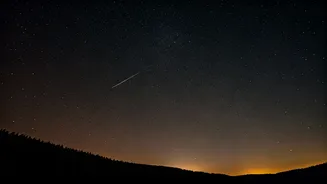
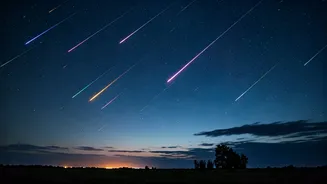
occurs when Earth passes through the debris trail left behind by none other than the renowned Halley's Comet. As these tiny fragments enter our atmosphere at high speeds, they ignite, creating brilliant streaks of light across the night sky. This year, the peak viewing period for this spectacular event is anticipated to be between May 5 and May 6, 2026. For those in India, the early morning hours before dawn will offer the best opportunity to witness this display, provided the skies are clear and dark. The sheer speed of these meteors, a characteristic of the Eta Aquarids, makes them particularly captivating, offering a fleeting yet unforgettable visual treat for all who choose to stay awake and look up.
Timing Your Viewing
To maximize your experience of the Eta Aquarids meteor shower in 2026, precise timing is key. The shower's peak activity is scheduled for the night of May 5, extending into the early dawn hours of May 6. While some visibility may persist into May 7, the prime window for viewing will be within these two days. For viewers in India, the optimal hours are typically between 2:00 AM and 5:00 AM IST on May 6. If you have a limited window for observation, aiming for the period between 3:00 AM and 4:30 AM IST is recommended. During this time, the constellation Aquarius, the radiant point of the shower, will be higher in the sky, just before the first hints of dawn appear, often correlating with the highest meteor rates.
Simple Viewing Techniques
Witnessing the Eta Aquarids meteor shower requires no specialized equipment, making it an accessible event for everyone. Forget telescopes and binoculars; all you need is your own eyes, a clear view of the night sky, and a bit of patience. The most crucial step is to find a location far from the disruptive glow of city lights. The darker your viewing spot, the more meteors you will be able to see. Once you've found your ideal dark location, lie down comfortably, perhaps on a blanket or chair, with your feet pointed towards the east, the general direction from which the meteors will appear to emanate. It's vital to allow your eyes about 20 to 30 minutes to fully adjust to the darkness. This adaptation period is essential for noticing the fainter meteors. Avoid looking at bright screens during this time. Once your eyes are adjusted, simply relax and gaze upwards; the shooting stars should begin to make their appearance.
Visibility Across India
India is well-positioned to enjoy a good view of the Eta Aquarids meteor shower in 2026, though it falls into the category of moderate visibility compared to some other regions. Under optimal conditions, skywatchers in India can expect to see approximately 10 to 30 meteors per hour during the peak of the shower. This rate is still significant enough to provide a captivating experience, especially if you are in a location with minimal light pollution. For comparison, the Southern Hemisphere will likely witness higher rates, potentially between 40 to 60 meteors per hour. While viewers in countries like the UK or Canada might see fewer, around 5 to 15 per hour, India offers a substantial opportunity for meteor enthusiasts. The key to maximizing your viewing success in India will be choosing a clear night with minimal cloud cover and seeking out a truly dark site away from urban centers.