



Understanding the Lyrids
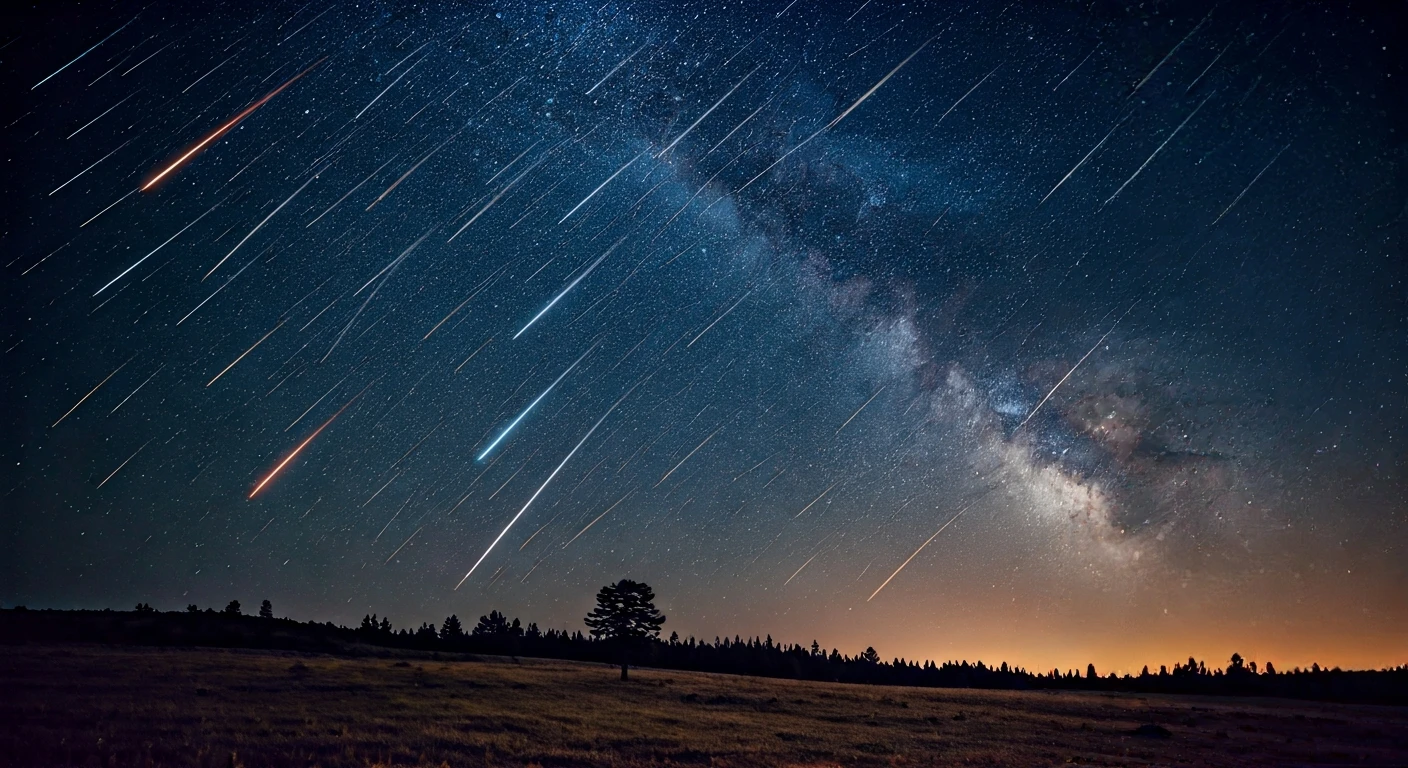
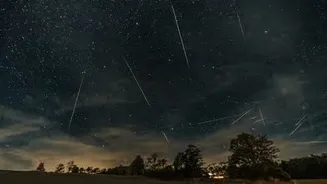
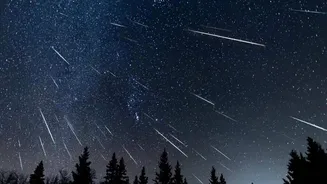
The Lyrid meteor shower is a highly anticipated astronomical event, known for delivering swift and luminous streaks of light across the night canvas. These
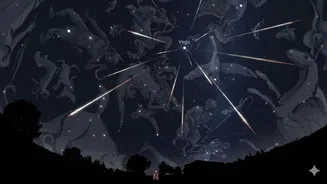
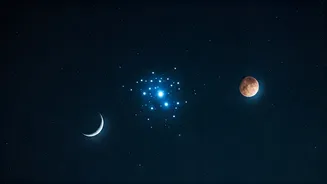
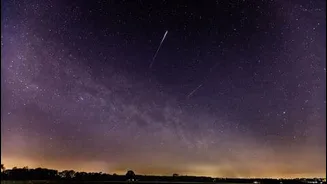
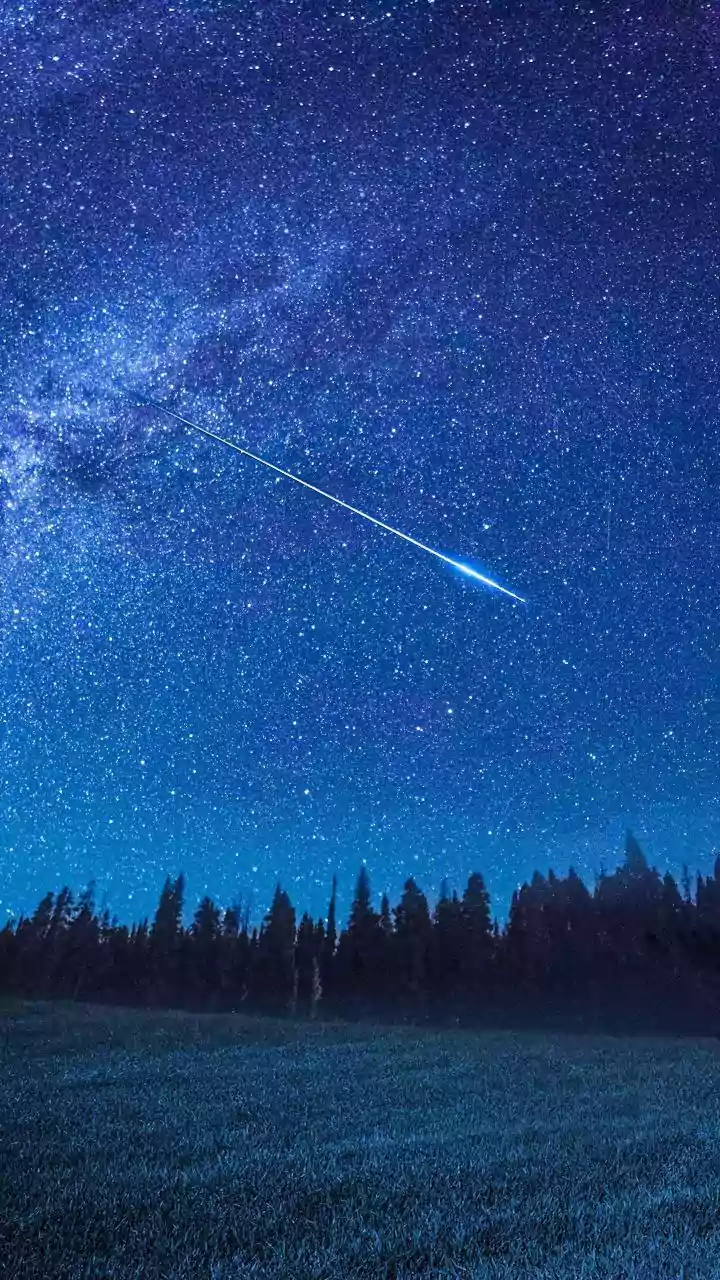
meteors appear to originate from the constellation Lyra, hence their name. Lyra itself can be located in the northeastern sky, ascending higher as the early morning hours approach. A key celestial landmark for finding Lyra is the star Vega, one of the brightest stars visible during this period. It becomes prominent above the northeastern horizon shortly after sunset and continues its upward journey through the night. For those who find celestial navigation challenging, modern stargazing applications can be incredibly helpful in pinpointing constellations and stars like Vega with precision. The meteor shower is expected to produce a considerable number of shooting stars, potentially reaching 15 to 20 per hour under optimal viewing conditions. A significant advantage for observers in 2026 is the favorable lunar phase; the moon will have set after midnight, ensuring a dark sky conducive to meteor viewing during the shower's peak activity.
Optimizing Your View
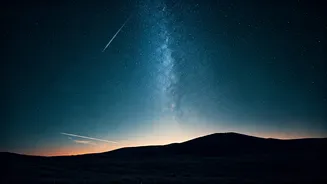
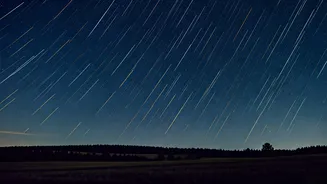
To truly maximize your chances of witnessing the Lyrids, it’s crucial to understand where and how to direct your gaze. Contrary to what might seem intuitive, experts recommend avoiding a direct focus on the radiant point, which is the apparent source of the meteors in the Lyra constellation. The most spectacular and elongated meteor trails often appear further away from this point. Therefore, it’s advisable to scan the broader expanse of the sky surrounding Lyra, as well as the entire celestial sphere, because Lyrids can manifest unexpectedly across any portion of the sky. This technique allows you to appreciate the full scope of the meteor shower’s activity. By spreading your gaze, you increase the probability of catching those brilliant, longer-lasting meteors that are characteristic of the Lyrids, offering a more rewarding viewing experience.
Five Essential Viewing Tips
To enhance your Lyrid meteor shower experience, follow these five practical recommendations. First, resist the urge to stare directly at the radiant; instead, look slightly away from the constellation Lyra to catch longer and brighter meteor trails. Second, seek out the darkest possible sky. Position yourself away from artificial light sources such as city lights or streetlamps and face the clearest, darkest area of the sky available. Third, choose a location with an unobstructed, wide-open view. Open spaces like fields, beaches, or hilltops are ideal as they minimize obstructions and provide the broadest possible vista of the sky. Fourth, allow your eyes at least 20 to 30 minutes to fully adjust to the darkness before you begin actively searching for meteors. Crucially, avoid looking at bright screens, especially your phone, as this will reset your night vision. Finally, comfort and patience are key. Lie back on a blanket or recline in a comfortable chair, dress warmly, and remain relaxed. The longer you stay, the more shooting stars you are likely to observe.