






Antibiotic Resistance Rising
The effectiveness of antibiotics has been diminishing, raising significant health concerns globally. The findings from IISER Pune highlight the pressing
need to understand how bacteria overcome these drugs. It's a race against time, as bacteria continuously evolve to survive, necessitating innovative strategies to ensure these medications remain useful. The study's focus on identifying the specific survival methods used by bacteria is the first step in formulating newer treatments.
IISER Pune's Discovery
IISER Pune scientists have delved into the intricacies of bacterial resistance to uncover how these microorganisms thwart antibiotics. Their research is centered on identifying the novel mechanisms that allow bacteria to persist. This breakthrough provides a clear understanding of what’s happening at a microscopic level, detailing how bacteria develop resistance. The team's research will help doctors understand how resistance works.
Bacteria's Survival Strategies
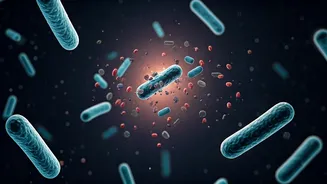
Bacteria use an array of strategies to withstand antibiotic treatment. These include modifying their cell walls, producing enzymes to neutralize the drugs, or pumping the antibiotics out of their cells. The study at IISER Pune is focused on revealing the latest tactics, providing insight into which specific survival mechanisms are becoming most prevalent. Understanding these defense mechanisms is key to future drug development.
Implications For Healthcare
The rising tide of antibiotic resistance has severe implications for healthcare, potentially increasing the severity and duration of infections. Effective treatment relies on the continued effectiveness of antibiotics. Understanding the mechanisms of resistance is crucial to maintain healthcare standards. The findings from IISER Pune will inform the development of treatment guidelines.
Future Directions in Research
Research is vital to address antibiotic resistance. This involves discovering new drugs or modifying existing ones to evade bacterial defense systems. A collaborative approach is needed, bringing together scientists, medical professionals, and policymakers. The aim is to slow the spread of resistance and improve patient outcomes. Further studies will explore these new avenues.
Combating Antibiotic Resistance
Strategies to combat antibiotic resistance include responsible antibiotic use. This means only using these medications when necessary, as well as developing rapid diagnostic tools to identify specific infections and select appropriate treatments. Research findings will play a pivotal role in this fight. The goal is to develop medicines that specifically target bacterial mechanisms.