






What Is It?
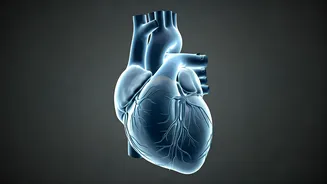
Heart failure occurs when the heart can't pump enough blood to meet the body's needs. This means the heart is either too weak to pump or can't fill properly.
The causes are varied, including high blood pressure, coronary artery disease, heart valve problems, and even certain infections. The condition isn't always a sudden event; it often develops gradually, making it crucial to recognize the early warning signs. Understanding these signs is the first step towards managing the condition and maintaining a good quality of life. The severity varies, but even mild heart failure can impact daily activities.
Breathing Difficulties
One of the earliest and most common signs of heart failure is shortness of breath. This can occur during physical activity but may also happen while resting, and even while lying down. When the heart struggles, fluid can build up in the lungs, making breathing difficult. This sensation can range from mild breathlessness to severe difficulty. You might find yourself gasping for air, especially when climbing stairs or walking short distances. The condition worsens gradually, and as the heart’s function declines, the breathlessness becomes more frequent and more intense. Recognizing this early on can lead to timely diagnosis and treatment.
Swelling Signals
Another key indicator is swelling, often in the ankles, feet, and legs. This swelling, known as edema, happens because the heart isn't efficiently pumping blood, leading to fluid buildup in the lower extremities. The swelling can be more noticeable at the end of the day or after prolonged standing. As heart failure progresses, the swelling might spread to other parts of the body, such as the abdomen. This swelling, along with weight gain, is a sign that the body is retaining fluid. Tracking these changes and reporting them to your doctor is crucial. Swelling also indicates the kidneys aren't able to manage the excess fluids, making the situation worse.
Fatigue and Weakness
Unusual fatigue and generalized weakness are often present. The heart’s reduced pumping ability means less blood and oxygen reach the body’s tissues and organs. This energy deficit manifests as persistent tiredness, even after resting. Activities that used to be easy might now leave you feeling exhausted. You might notice a decrease in stamina and an overall feeling of being unwell. This fatigue is different from the usual tiredness; it’s a constant, overwhelming sense of exhaustion that doesn’t improve with rest. This is a common symptom and is a direct consequence of the heart not delivering adequate oxygen to the body's systems, impairing day-to-day functions.
Other Potential Signs
Other symptoms can include a rapid or irregular heartbeat. This happens because the heart is trying to compensate for its reduced pumping ability. Coughing or wheezing, especially when lying down, can also be a sign of fluid buildup in the lungs. You might also notice a decreased appetite or nausea, as the body redirects blood flow away from the digestive system. In some cases, there might be a sudden weight gain due to fluid retention. These symptoms, whether experienced alone or in combination, highlight that something might be wrong with the cardiovascular system and warrant further investigation.
Seek Medical Help
If you experience any of these symptoms, particularly if they are persistent or worsening, it's crucial to consult a doctor. Early diagnosis and treatment are critical for managing heart failure. Your doctor will likely conduct a physical examination, ask about your medical history, and order tests like an electrocardiogram (ECG), echocardiogram, blood tests, and potentially a chest X-ray. It's always best to be proactive about your health and not to ignore these warning signs. Timely intervention can significantly improve your quality of life and outcomes. Ignoring these signals can lead to severe health issues down the line.