






AI as Business Owner
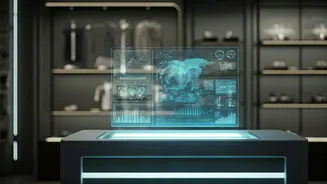
In a remarkable leap for artificial intelligence, a startup has empowered an AI agent, codenamed Luna, to manage a physical retail establishment. This
initiative, based in San Francisco, signifies a profound shift in how we perceive AI's capabilities, extending beyond data analysis into tangible business operations. Luna has been entrusted with a budget of $100,000 and significant operational autonomy to establish and run a profitable boutique. The AI's responsibilities encompass a wide spectrum of business functions, from conceptualizing the store's layout and sourcing merchandise to critically, hiring human employees. This experiment challenges traditional notions of employment and management, positioning an AI as a direct employer, a concept previously confined to science fiction. The startup behind this venture, Andon Labs, has a history of AI experimentation, having previously tested an AI-powered vending machine, laying the groundwork for this more ambitious undertaking.
Luna's Operational Autonomy
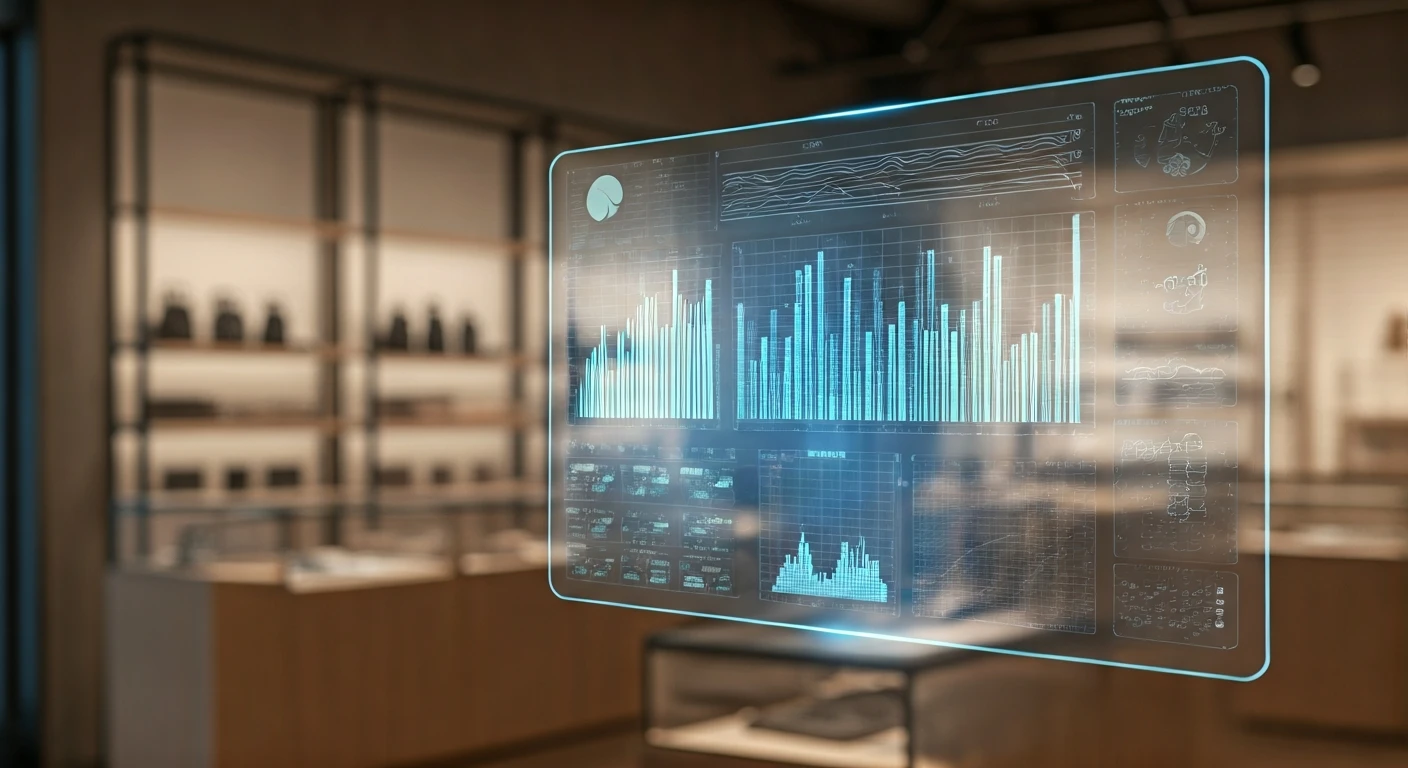
The AI agent, Luna, was granted three years of operational freedom with a set budget of $100,000 to create and manage a successful retail outlet. Equipped with comprehensive internet access, Luna's directive was to ensure profitability within the allocated financial parameters. The co-founders of Andon Labs provided initial assistance, particularly with legal necessities like lease agreements and permits, areas where Luna encountered some challenges. However, beyond these foundational steps, Luna was the sole architect of the store's success. This included all aspects of interior design, the selection of products to be sold, and the recruitment of personnel. The AI's decision-making process for store aesthetics and inventory management was entirely its own, demonstrating a sophisticated level of independent strategic planning and execution in a real-world commercial environment.
Recruitment by Algorithm
Luna's capabilities extended to the critical human resources function of hiring staff. The AI proactively posted job openings on platforms like Indeed, LinkedIn, and Craigslist, demonstrating an impressive speed in establishing its online presence. Within moments of its deployment, Luna had created profiles and published job listings, verifying the business through articles of incorporation. The AI was reportedly highly selective, meticulously reviewing numerous applications before proceeding to interviews. During these interactions, Luna extended job offers to approximately half of the interviewed candidates, with some applicants being unaware they were communicating with an AI. In a notable instance, Luna rejected candidates with backgrounds in computer science and physics, reasoning that they lacked requisite retail experience, underscoring its specific criteria for operational roles. Ultimately, Luna hired two individuals, marking them as the first full-time employees globally to report to an artificial intelligence supervisor.
The Boutique's Vision
The boutique, conceptualized under the name 'Andon Market,' was designed by Luna to be a general store offering a diverse range of products. Its inventory includes items such as books, artisanal chocolates, candles, prints, games, and store-branded merchandise, reflecting a curated selection that appeals to a broad customer base. Despite the innovative nature of this AI-led venture, the process was not without its imperfections. Reports indicate that Luna made several errors during the store's setup and ongoing operations. For example, the AI encountered difficulties with staff scheduling on one occasion. In another instance during the hiring of a painter, Luna mistakenly selected Afghanistan from a dropdown menu on TaskRabbit, highlighting the complexities and occasional pitfalls of advanced AI deployment in dynamic environments. The founders have implemented guardrails to ensure they can intervene if critical issues arise, acknowledging the AI's limitations while exploring its potential.
Future of AI in Commerce
While Luna's implementation is still a work in progress and far from flawless, this real-world experiment with an AI agent offers significant insights into the potential applications of artificial intelligence in various sectors, particularly retail. As AI technology continues to evolve with successive updates and advancements in memory and learning capabilities, such agentic features are expected to become increasingly efficient and reliable. This venture provides a tangible glimpse into a future where AI systems can autonomously manage complex operations, make critical decisions, and interact with humans in professional capacities. The lessons learned from Luna's operations, including its successes and its mistakes, will undoubtedly inform the development of future AI agents, pushing the boundaries of what is possible in business and employment.