

The Gift of Life
In moments of profound loss, the decision to donate organs and tissues offers a beacon of hope. Harish Rana's legacy, following his passing via passive
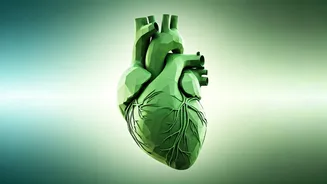
euthanasia, exemplifies this profound act through the donation of his heart valves and corneas. These vital components are crucial for complex medical procedures, offering recipients a chance at restored sight and a healthier life. Cardiac surgeons emphasize that even when a whole organ isn't viable for transplant, its constituent parts, like heart valves, can continue to sustain life. This highlights the multifaceted ways a single individual can contribute to saving and improving the lives of others, underscoring the deep significance of organ and tissue donation in modern medicine and its ability to extend life's impact beyond the donor's lifetime.
Retrieval of Valves
Heart valve retrieval from a brain-dead donor is a specialized surgical procedure designed to harvest functional heart valves, such as the aortic or pulmonary valves, from an individual declared legally deceased due to irreversible brain function cessation, provided their heart is still beating. This ethical and medically precise process enables these crucial tissues to be transplanted into patients suffering from heart valve diseases. The donor is carefully transferred to an operating room where trained surgeons meticulously remove the heart or specific valves. It's important to note that heart valves can be retrieved from a donor whose heart is still beating, or within a limited timeframe after cardiac arrest. Even if the entire heart is not suitable for a full transplant, its valves can still be salvaged, offering a vital lifeline to recipients in need of cardiovascular repair.
Preservation and Transplant
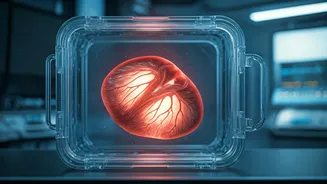
Once retrieved, heart valves are meticulously prepared for transplantation. If immediate implantation isn't feasible, these biological tissues are cryopreserved at extremely low temperatures, specifically minus 180 degrees Celsius, allowing them to remain viable for up to five years. The process of preparing the donated valve, known as a homograft, involves precise dissection of the aortic and pulmonary valves along with sections of the aorta and pulmonary artery. These prepared segments are then fashioned into conduits for subsequent use in patients. Homografts are particularly invaluable for treating severe infections, facilitating complex surgical procedures, and in pediatric cardiac surgeries. A remarkable aspect is their adaptability; adult donor valves can be resized, or 'downsized,' to fit pediatric recipients, though the reverse is not possible. While these life-saving donations significantly enhance patient outcomes, it's acknowledged that biological valves have a lifespan, typically degenerating over 15 to 20 years, potentially requiring future replacement. At institutions like AIIMS, approximately three to four heart valve retrievals and implantations are performed monthly, illustrating both the scarcity and critical demand for this donation.