



Unveiling Bohag Bihu
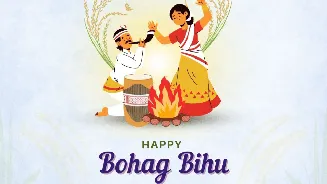
Bohag Bihu, also affectionately known as Rongali Bihu, heralds the Assamese New Year and signifies the commencement of the agricultural bounty in Assam.
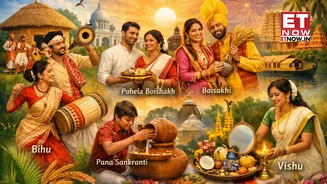
Scheduled for mid-April, this festival holds profound importance for the Assamese populace, embodying a period of renewal and prosperity. In 2026, the festivities commence on April 14th, inviting a wave of joy and good fortune. More than just a new year celebration, Bohag Bihu is an occasion of deep gratitude, where people express their thankfulness for a successful harvest, reinforcing their connection to the land and its blessings. It's a time when communities unite, engaging in lively traditional songs and the energetic Bihu dance, alongside sharing delectable feasts. The festival unfolds with Goru Bihu, dedicated to honoring cattle, followed by Manuh Bihu, which celebrates the human element of the community. This period is characterized by families and friends coming together, exchanging gifts, and extending well-wishes, fostering a sense of unity and hope for the year ahead, whether celebrated within Assam or by Assamese diaspora globally.
Heartfelt Festival Greetings
As Bohag Bihu 2026 approaches, extending warm wishes and messages is a cherished tradition. The English greetings capture the essence of the festival, focusing on prosperity, joy, success, and good fortune for the new year. Messages like 'Wishing you a prosperous and joyful Bohag Bihu 2026!' and 'May this new year bring happiness, success, and good fortune to your life' set a positive tone. The spirit of Bihu is emphasized as bringing peace and joy, encouraging togetherness and love. 'Celebrate the new year with love, laughter, and togetherness' encapsulates the communal aspect. For those wishing to connect with the Assamese roots, greetings in Assamese offer a direct and heartfelt sentiment. 'নৱবৰ্ষৰ শুভেচ্ছা! আপোনাৰ জীৱন সুখ-সমৃদ্ধিৰে পূর্ণ হ’ব' translates to 'Happy New Year! May your life be filled with happiness and prosperity.' Similarly, 'এই বিহুত আপোনাৰ জীৱন সুস্থ, সুখী আৰু সমৃদ্ধ হ’ব' wishes for a healthy, happy, and prosperous life during Bihu. These messages, whether in English or Assamese, serve to strengthen bonds and share the festive spirit.
Wisdom of Bihu Quotes
Bohag Bihu is often accompanied by thoughtful quotes that encapsulate its meaning and aspirations. These reflections speak to the new beginnings and hopes that the Assamese New Year brings, such as 'The start of a new year brings new hopes and dreams. Wishing you a prosperous Bihu!' The festival's capacity to invigorate life with positivity is highlighted: 'May the joy of Bihu bring new energy and positivity to your life.' Quotes also celebrate the core themes of harvest, happiness, and lasting blessings: 'Celebrate life, celebrate Bihu, celebrate the harvest of happiness.' The importance of togetherness and new beginnings is a recurring motif: 'The spirit of Bihu is all about togetherness and new beginnings.' The festival serves as a reminder of life's beautiful journey and the blessings it holds. 'Bihu reminds us that life is a beautiful journey of blessings and joy.' As the year unfolds, these quotes serve as gentle reminders of the festival's enduring spirit and the promise of a brighter future, urging to welcome the new year with open hearts and embrace its potential.
Significance of Traditions
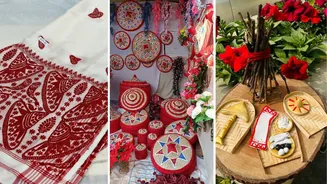
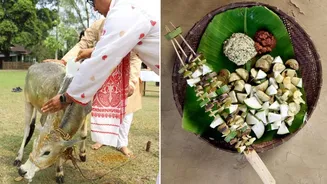
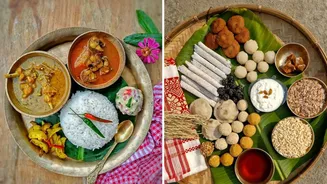
Bohag Bihu's celebration spans several days, each carrying distinct significance. It officially commences on April 13th with Goru Bihu, a day dedicated to honoring cattle, reflecting the deep agrarian roots of Assam. Farmers express their gratitude to their livestock, acknowledging their crucial role in the livelihood and agricultural cycle. This is followed by Manuh Bihu, which ushers in the Assamese New Year and is focused on people and community. The festival is a vibrant showcase of Assamese culture, featuring the iconic Bihu dance (Bihu Naas), accompanied by traditional music and songs that express joy and prosperity. These dances are performed by both men and women in colorful attire, symbolizing the exuberance of the harvest season. Families gather to share meals, exchange gifts, and visit relatives, reinforcing social bonds. Traditional delicacies like pitha (rice cakes) and laru (sweet balls), symbolizing the season's abundance, are prepared and shared. Beyond Assam, Assamese communities worldwide, including in the UK, US, and Canada, actively participate in celebrating Bohag Bihu, maintaining their cultural heritage.