






A Storied Past
Established in April 1864, the Old Delhi Railway Station, also known as Delhi Junction, stands as a testament to India's evolving railway landscape. Initially
conceived by the British to accommodate a mere 100 passengers daily, its humble beginnings contrast sharply with its current operational scale. The planning for the structure we see today commenced in 1890, culminating in its construction and official opening in 1903. This station, nestled near the bustling Chandni Chowk area, carries the weight of history, having served as a vital link in the nation's transportation network for over a century and a half. Its very foundation reflects an era of significant development in Indian infrastructure, laying the groundwork for the expansive rail system that exists today.
Architectural Marvel
The architectural design of Old Delhi Railway Station is a fascinating blend of historical influences, mirroring the Mughal style. According to Northern Railway, the station's appearance evokes both a mosque and a fortress, a deliberate choice by its British architects. This dualistic design wasn't just aesthetic; it incorporated strategic elements. The structure was conceived to serve as a potential hotel or shelter during emergencies, with provisions for security personnel to quickly access upper levels for defensive positioning. This was particularly relevant given the proximity to Chandni Chowk, a historically significant area for political activity. Further enhancing its integration with the surroundings, the station building is painted red, harmonizing with iconic nearby landmarks such as the Red Fort and Jama Masjid, creating a visually cohesive historical precinct.
Daily Operations Today
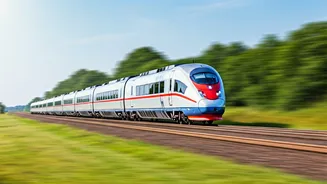
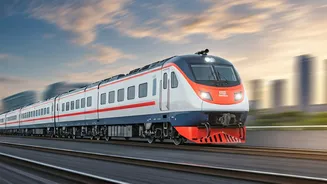
Presently, Old Delhi Railway Station is a hive of activity, handling an immense volume of train traffic and passengers. On a daily basis, a total of 237 trains utilize its platforms, originating, terminating, or passing through. This includes a substantial number of Mail/Express trains (129), Electric Multiple Unit (EMU) services (73), Diesel Electric Multiple Unit (DEMU) trains (10), and Passenger trains (25). The station's daily passenger footfall is impressive, averaging around 1.75 lakh individuals. Previously, it managed both broad and meter gauge lines, but since 1994, it has exclusively handled broad gauge operations. With its 16 platforms, the station remains a critical artery for connectivity within the Delhi division of Northern Railway, facilitating the movement of a vast number of people and goods.
Future Forward Plans
Recognizing its enduring importance and the need to cater to growing demands, the Old Delhi Railway Station has been identified for significant modernization under the Amrit Bharat Station Scheme (ABSS). The Ministry of Railways is spearheading this initiative to enhance passenger amenities and improve operational efficiency. A key aspect under consideration involves the creation of a dedicated holding area at Delhi Junction. Projections indicate that in the coming years, the station is expected to accommodate an even larger daily influx of passengers, estimated to reach approximately 2 lakh. These modernization efforts aim to preserve the station's historical essence while equipping it with contemporary facilities to meet the challenges and opportunities of the future transportation needs.