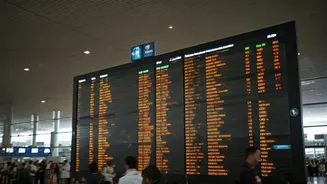

Initial Disruptions Unfold
The initial wave of disruption centered around significant flight cancellations in various cities. Reports indicated that a considerable number of flights
were grounded in Chennai, leaving numerous passengers stranded. Simultaneously, Ahmedabad experienced similar issues, with several flights being canceled, leading to widespread chaos. These incidents triggered a ripple effect, impacting the airline's overall operations nationwide. The scale of the disruptions prompted a review of the situation, with both the airline and relevant authorities working to understand and address the underlying causes. Passengers expressed their frustration and sought updates, while the airline worked to provide assistance and alternative travel arrangements.
Scale of the Crisis
The scope of the flight cancellations became increasingly clear as more details emerged. Initial reports detailed the cancellation of 29 flights in Chennai and 19 in Ahmedabad, indicating that the disruption was significant. These initial numbers reflected a much wider issue affecting the airline's ability to maintain its usual schedule. The operational challenges led to a reassessment of the airline's capacity and resources. As the crisis evolved, the plight of passengers became more prominent, drawing attention to the practical difficulties they faced, including delays, cancellations, and the stress of travel disruptions. The crisis further triggered a response from various stakeholders, from the airline itself to those providing regulatory oversight.
Passenger Plight & Response
The impact of the disruptions on passengers was immediately evident. Many travelers found themselves stranded at airports, facing uncertainty about their travel plans. The airline faced the challenge of managing the crisis, attempting to address passenger needs and providing alternative arrangements. Communication became a key aspect of this response, with the airline issuing updates and attempting to address passenger concerns. Simultaneously, passenger complaints and expressions of frustration highlighted the scale of the disruption and the issues faced by those affected. Social media platforms and news outlets amplified passenger experiences, showing the human toll of the flight cancellations and emphasizing the urgent need for a resolution.
Operations Slowly Resume
Despite the magnitude of the disruptions, the airline began efforts to restore its operations. The process of resuming flights at Delhi Airport was reported, indicating progress toward stabilizing the schedule. The resumption of flights suggests that the airline aimed to regain control of the situation and minimize further disruptions. The efforts to resume operations were subject to scrutiny, with stakeholders monitoring the pace of recovery and the effectiveness of the implemented solutions. The airline's ability to restore its schedule was crucial, as any further delays would have continued to affect the travel plans of thousands of passengers. The gradual return to normal operations provided a glimmer of hope that the immediate crisis was being managed effectively, although the long-term impact on passengers and airline’s reputation remained to be seen.
Broader Implications Emerge
The crisis at IndiGo raised broader questions about the airline's operational resilience. It highlighted the vulnerability of air travel to disruptions and the importance of robust contingency plans. The events provided an opportunity to assess the preparedness of airlines in handling significant operational challenges. The disruptions also drew attention to the role of regulatory bodies in ensuring passenger rights and addressing airline performance issues. The situation prompted discussions about the need for improvements in infrastructure, technology, and staff training to prevent future issues. The impact of the crisis extends beyond the immediate concerns of passengers and airlines, potentially influencing future policy and industry practices.