







Stay Calm, Always
The foremost and perhaps most critical tip is maintaining composure. Remaining calm under pressure is paramount for making rational decisions. Panic clouds
judgment and hinders effective action. In a survival scenario, fear can lead to mistakes that compromise chances of rescue. Whether lost in the wilderness or facing a different crisis, mental clarity is essential. Take deep breaths, assess the situation, and avoid impulsive actions. This principle extends to everyday hurdles; a calm approach allows for better problem-solving in any scenario. For instance, when dealing with a challenging work project or navigating a stressful relationship, staying grounded facilitates more effective responses rather than reacting emotionally. Cultivating a calm demeanor is a core skill for facing adversity, both in extreme environments and regular life.
Shelter: Your Sanctuary
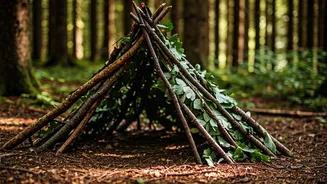
Building shelter is vital for protection against the elements, providing a safe haven from harsh weather and potential hazards. Finding or constructing shelter prevents hypothermia and conserves energy. Consider natural formations such as caves or rock overhangs. If building a shelter is necessary, prioritize protection from wind, rain, and cold. Learn the art of creating a simple lean-to, using branches and leaves. This shelter offers immediate security and is surprisingly effective. In a broader context, shelter represents more than just a physical structure. It encompasses the need for security in the face of uncertainty. Creating a safe space for oneself, whether physically, mentally, or emotionally, is vital for enduring difficult situations. Setting healthy boundaries and building a support network are important for fostering a sense of security and stability.
Water: Life's Essence
Securing a water source is a top priority for survival. Dehydration can be debilitating, so identifying and accessing clean water is crucial. Look for natural springs, flowing streams, and collect rainwater. Never drink untreated water from unknown sources. Boiling water for at least one minute is a vital step. Using purification tablets or a filter is another safe option. The emphasis on water teaches valuable lessons about resource management. In everyday life, water symbolizes the essential resources needed to sustain us. This may include financial resources, time, or information. Prudent planning and wise consumption are essential to ensure we can thrive. This lesson applies whether facing a crisis or navigating the demands of daily life. The ability to find, manage, and conserve resources is key for survival.
Signal for Help
Signaling for assistance increases the chances of rescue. Create visual signals, like a large fire, a signal mirror reflecting sunlight, or arrange rocks in a distress pattern. If you have a whistle, use it. These tools are designed to attract attention and communicate distress. The importance of signaling extends beyond the wild. It underscores the value of seeking help when needed. Acknowledging vulnerability and reaching out for support is a sign of strength, not weakness. In any challenging situation, from personal struggles to professional setbacks, knowing how to ask for help is essential. This could involve seeking advice from trusted sources or relying on community resources. This proactive approach greatly increases the chance of a positive outcome. Effective communication and the ability to ask for assistance is a valuable skill.
Food: Sustainable Options
Finding food is critical, but it's important to be cautious. Before consuming any wild food, be certain about its edibility. Learn to identify safe plants and insects, avoiding anything that appears suspicious. Prioritize high-energy foods, like nuts or berries, and try to conserve energy. This can be challenging. In this context, the focus on edible resources is an allegory for making informed choices. In everyday scenarios, it is critical to carefully assess risks and rewards. This includes carefully evaluating career opportunities, financial investments, and personal relationships. Avoiding impulsive decisions and taking time to gather information can help make sure resources are managed safely. Just as a survivalist must learn to distinguish safe foods from poisonous ones, so too must individuals learn to discern reliable sources of information and safe choices in life.