




The Retrofitting Process
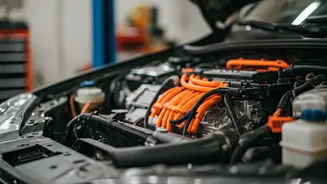
Converting a conventional car to an EV involves replacing the internal combustion engine (ICE) with an electric motor and battery system. The existing
engine, fuel tank, and exhaust system are removed. An electric motor is then installed to drive the wheels, and a battery pack is fitted to store the energy. This transformation also includes integrating a battery management system (BMS) to regulate the charging and discharging of the batteries and an EV-specific control unit to manage the motor's operation. This process requires significant modifications to the car's structure and electrical systems, necessitating skilled technicians and specialized equipment. The scope of the work and the expertise required is a critical factor influencing the overall cost of the retrofitting process.
Cost Considerations Arise
Several factors contribute to the potential high cost of retrofitting a car to an EV. The purchase of new EV components is a primary cost driver. High-capacity batteries, electric motors, and the necessary control systems are costly components. Moreover, the labor involved in removing the old components and installing new EV components can be time-consuming, translating into substantial labor costs. There are also associated costs, such as the need for specialized tools and equipment. The extent of modifications needed can differ greatly depending on the make and model of the car, leading to varying costs. Retrofitting also requires adhering to safety standards and regulations, adding to the overall expense, making the process complex and financially demanding for car owners.
Challenges and Hurdles
Besides the financial aspect, retrofitting older cars to EVs presents significant challenges. Finding qualified technicians with the necessary skills is essential, given the specialized nature of the work. Obtaining government approvals and ensuring compliance with existing regulations can also be time-consuming and complicated. The availability of replacement parts is another concern, as sourcing specific components for older car models might be difficult. Furthermore, ensuring the safety of retrofitted EVs is paramount, necessitating thorough testing and quality control. Retrofitting also impacts the car's performance, as the weight distribution changes. Addressing these challenges is critical for the success and wider adoption of EV retrofitting in Delhi.
Future Implications Unfold
Despite the hurdles, EV retrofitting holds significant potential for the future. As technology advances, the costs of EV components are expected to reduce, potentially making retrofitting more affordable. Government incentives and subsidies could also help offset some of the expenses, encouraging more car owners to adopt this technology. The retrofitting process can also contribute to reducing pollution and promoting sustainability by extending the lifespan of existing vehicles. If the challenges surrounding costs, expertise, regulations, and safety are effectively addressed, EV retrofitting could play a crucial role in Delhi's transition to cleaner and greener transportation options.