



The Essence of Lohri
Lohri, a festival steeped in tradition, is celebrated with immense joy, primarily in the Northern regions of India. The heart of the celebration centers
around a bonfire, representing the end of the winter and the anticipation of longer days and the harvest season. Dancing around the bonfire, exchanging greetings, and indulging in festive foods are integral parts of the tradition. The festival is not merely a social gathering; it's a symbolic expression of gratitude to the sun god and a celebration of life's abundance. Lohri is a time when families and communities come together, strengthening bonds and sharing happiness through food, music, and dance. The cultural significance of Lohri reflects the resilience and vibrancy of Indian culture, uniting people in shared experiences and traditions, fostering a sense of community that extends beyond individual families.
Sarson Da Saag Delight
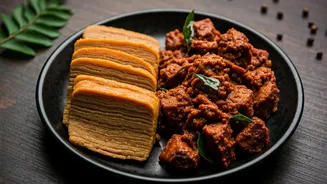
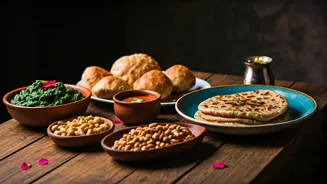
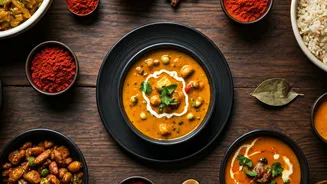
No Lohri celebration is complete without the hearty and flavorful Sarson Da Saag. This dish, made from mustard greens, is a staple during the winter months, offering warmth and a burst of fresh flavors. The mustard greens are cooked slowly with spices, creating a rich and aromatic dish. It is typically served with Makki Di Roti, forming a classic combination. The earthy taste of the saag and the slightly sweet and nutty flavor of the roti create a balance that defines a satisfying meal. The preparation often includes garlic, ginger, and green chilies, which enhance the flavor profile and add a spicy kick. This dish's popularity stems from its comforting nature and its ability to capture the essence of the season.
Makki Di Roti Pairing
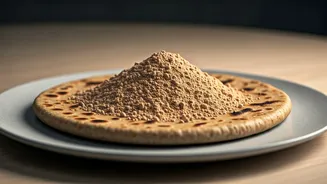
Makki Di Roti, or cornmeal flatbread, is the perfect companion to Sarson Da Saag. This unleavened bread is a key element of the Lohri feast, offering a rustic texture and a slightly sweet taste that complements the saag beautifully. Making Makki Di Roti can be an art in itself, as the dough requires careful handling. It is traditionally cooked on a griddle, giving it a smoky flavor. The simplicity of Makki Di Roti allows it to absorb the flavors of the saag, resulting in a cohesive and delightful culinary experience. The combination of the hearty saag and the simple roti highlights the traditional cuisine of the region, where the ingredients are chosen to create a wholesome and delicious meal.
Sweet Rice Celebration
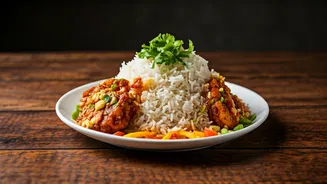
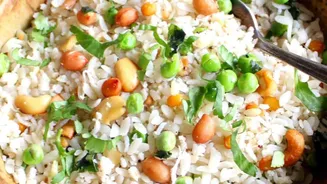
Sweet Rice, also known as Meethe Chawal, is a festive sweet dish prepared to add sweetness to the celebrations. It is a fragrant rice dish cooked with sugar, ghee, and often infused with saffron, cardamom, and other spices. The vibrant color, typically yellow or orange from the saffron, makes it visually appealing and perfect for festive occasions. Sometimes, dry fruits such as almonds, cashews, and raisins are added to enhance the flavor and texture of the sweet rice. The preparation is straightforward, though the balance of sweetness and spice is crucial for a memorable dish. This dish is usually made in homes and offered as a celebratory food item, adding a touch of indulgence to the Lohri festivities.
Rewari and Gajak Treats
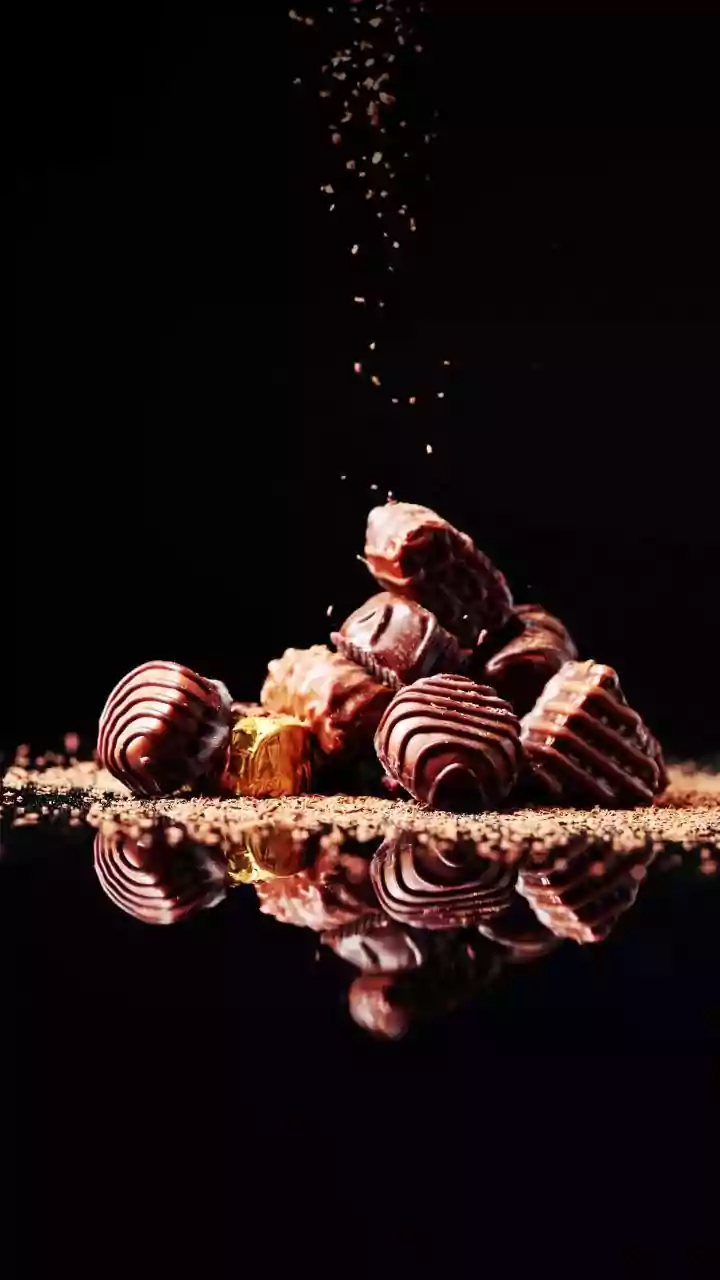
Rewari and Gajak are popular sweet treats enjoyed during Lohri. Rewari is a sesame seed-based sweet, often coated with jaggery, offering a satisfying crunch. Gajak, also made with sesame seeds and jaggery, has a similar base but is generally a bit softer. Both are ideal for the cold winter weather, providing a delightful combination of texture and taste. The preparation of both often involves heating jaggery until it melts, then adding sesame seeds and nuts. These sweets are easy to carry and share, contributing to the communal aspect of Lohri. They are often distributed among family and friends during the celebrations, embodying the spirit of sharing and togetherness.
Til Gur Ladoo & More
Til Gur Ladoo is another essential treat for Lohri. These ladoos are made from sesame seeds (til) and jaggery (gur), mixed and shaped into balls. They offer a chewy and sweet delight, perfect for the occasion. They are rich in nutrients and provide warmth during the colder months. Alongside these traditional sweets, other options like peanuts and roasted chana are also common. These are simple snacks that complement the festive menu, providing a balance of flavors and textures. The inclusion of peanuts and chana also symbolizes the harvest season and the bounty of the land, reflecting the core meaning of the festival.
Moong Dal Halwa Flavor
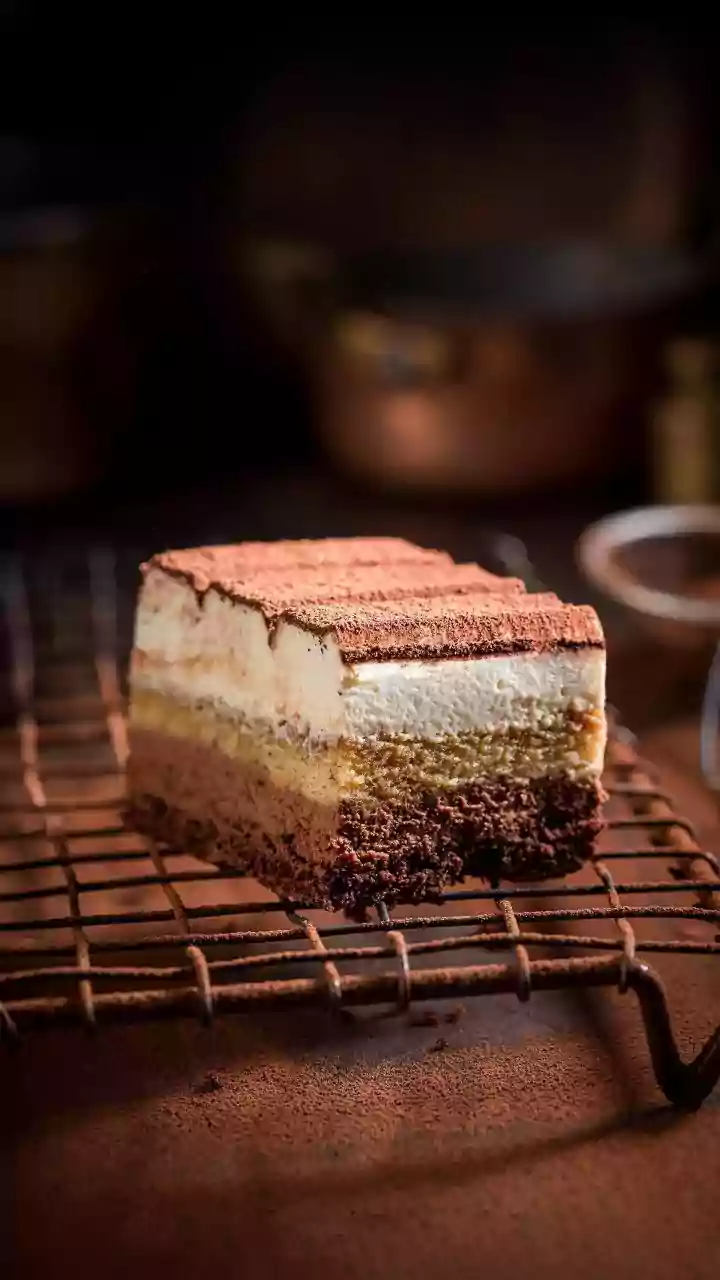
Moong Dal Halwa, a rich and decadent dessert, is a welcome addition to the Lohri feast. This sweet dish is made from ground moong dal (split yellow lentils), which is slowly cooked with ghee, sugar, and often flavored with cardamom. The process of making this halwa is meticulous, as it requires patience and continuous stirring to achieve the right texture and flavor. The halwa melts in your mouth and leaves a lasting impression, adding a touch of luxury to the festive meal. It's often garnished with nuts such as almonds and pistachios, providing a visual appeal and a pleasant crunch. This dish is another symbol of richness and prosperity, making it a fitting treat for Lohri.