



A New Dietary Path
After undergoing surgery for cancer recurrence, actress Dipika Kakar has embraced a modified diet, as shared by her husband Shoaib Ibrahim. He offered
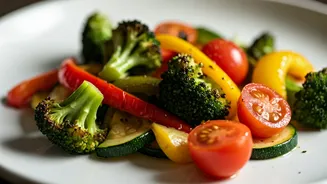
a peek into her recovery meals, highlighting a plate of sautéed vegetables. Dipika herself humorously noted this new regimen, mentioning it's something she consumes 'twice a day.' This dietary pivot underscores the significant role nutrition plays in healing and managing health conditions like cancer recurrence. Consultant dietitian Garima Goyal explains that this seemingly simple choice is, in fact, a therapeutically sound and evidence-based strategy, particularly relevant for those concerned about the potential return of cancer. The focus on sautéed vegetables isn't arbitrary; it taps into well-researched nutritional principles designed to support the body during a critical recovery period.
Why Sauté? Enhanced Nutrition
The clinical understanding of cancer recurrence points to its links with ongoing inflammation, heightened oxidative stress, compromised detoxification processes, and hormonal disruptions. Diet is paramount in influencing these interconnected bodily mechanisms. When prepared appropriately, sautéed vegetables provide a concentrated source of readily absorbable nutrients, potent antioxidants, and beneficial phytochemicals that bolster the body's natural defenses. A primary benefit of sautéing is the improved bioavailability of essential nutrients. Lightly cooking vegetables in healthy fats, such as olive oil or ghee, significantly enhances the absorption of fat-soluble vitamins like A, D, E, and K. Furthermore, it boosts the uptake of vital phytonutrients like beta-carotene and lycopene, which are crucial for recovery and overall health. Cooking also helps break down anti-nutritional compounds, such as oxalates and phytates, leading to better mineral absorption and a more efficient digestive system.
Fighting Inflammation
The anti-inflammatory properties of vegetables are a cornerstone of their therapeutic value, especially in contexts like cancer management. A diverse array of vibrantly colored vegetables, including bell peppers, zucchini, carrots, and various leafy greens, offers a rich spectrum of antioxidants. These compounds are instrumental in neutralizing harmful free radicals, thereby combating oxidative stress, a known factor that can contribute to cancer progression and recurrence. Beyond general benefits, cruciferous vegetables such as broccoli, cauliflower, and cabbage hold particular importance. They are abundant in sulforaphane, a compound that actively supports and enhances phase 2 detoxification pathways within the liver, aiding the body's natural cleansing processes. This comprehensive nutritional profile makes sautéed vegetables a powerful ally in maintaining health and promoting recovery.
Optimal Preparation Methods
The true therapeutic impact of sautéed vegetables hinges on the method of preparation. To maximize their health benefits, vegetables should be cooked over medium heat using high-quality, stable fats. The process can begin by sautéing garlic and onions, not only to build foundational flavor but also to activate beneficial sulfur-containing compounds. Harder vegetables, like carrots and broccoli stems, should be introduced first, followed by softer ones, ensuring that the final dish retains a slight, pleasant crispness. It is critical to avoid overcooking, as this can diminish heat-sensitive nutrients and reduce the overall efficacy of the meal. Incorporating spices like turmeric and black pepper can further amplify the anti-inflammatory advantages. Consuming sautéed vegetables once or twice daily presents a practical and sustainable dietary habit for most individuals, emphasizing variety, freshness, and consistency over complex recipes.