
Cellular Housekeeping Explained
Autophagy, derived from Greek words meaning 'self-eating,' is a fundamental cellular process akin to the body's internal recycling system. Imagine the body as
a bustling city, constantly producing waste and outdated materials. Autophagy is the sanitation department that identifies, engulfs, and disposes of these damaged or dysfunctional cellular components. These components include misfolded proteins, damaged organelles, and even intracellular pathogens. The process doesn't simply eliminate waste; it also recycles it. Broken-down materials are broken down into their basic building blocks, such as amino acids, which the cell then reuses to create new, healthy cellular components. This is a critical process for cellular health and survival, ensuring cells function efficiently and remain resilient. Furthermore, autophagy contributes to maintaining overall health and preventing diseases associated with cellular dysfunction.
How Autophagy Works
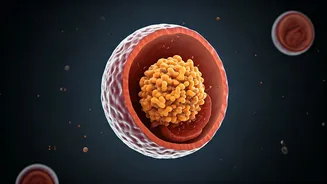
Autophagy is a highly regulated and intricate process that unfolds in several key stages. It starts with the formation of a double-membraned vesicle called an autophagosome. This structure encircles the cellular cargo slated for disposal. The autophagosome then fuses with a lysosome, a cellular organelle containing digestive enzymes. Inside the lysosome, these enzymes break down the autophagosome's contents into basic components such as amino acids, fatty acids, and nucleotides. These reusable building blocks are then released back into the cell's cytoplasm, where they can be used to construct new cellular components. There are several types of autophagy, including macroautophagy (the most common type), microautophagy, and chaperone-mediated autophagy. Each type has a slightly different mechanism and targets different cellular components. Macroautophagy, for instance, is the process described above, involving the formation of autophagosomes, while microautophagy involves the direct engulfment of cellular material by lysosomes. Chaperone-mediated autophagy, on the other hand, involves the selective targeting of proteins for degradation.
Benefits of Autophagy
The advantages of autophagy are widespread, contributing to health and longevity in multiple ways. One of the main benefits is its protective role against neurodegenerative diseases. By clearing out damaged proteins and dysfunctional organelles, autophagy prevents the accumulation of toxic aggregates associated with conditions like Alzheimer's and Parkinson's disease. Furthermore, autophagy aids in preventing cancer by eliminating damaged or mutated cells before they can develop into tumors. It helps maintain cellular homeostasis, reducing oxidative stress and inflammation, and thus potentially slowing down the aging process. By removing harmful components, autophagy improves cellular function and resilience, which is essential for overall well-being. It also plays a role in boosting immune function by clearing out pathogens and presenting them to the immune system for recognition. Moreover, autophagy supports metabolic health by regulating glucose and lipid metabolism, which can help prevent and manage conditions like diabetes and obesity. It also has a role in muscle maintenance, breaking down old proteins and recycling them for the construction of new muscles.
Boosting Autophagy Naturally
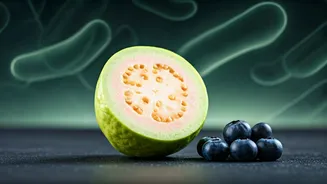
Lifestyle choices significantly impact the activation of autophagy, allowing individuals to support this critical process. One of the most effective methods is intermittent fasting, which involves restricting calorie intake for specific periods. During fasting, the body depletes its energy stores, prompting cells to activate autophagy to recycle resources. Regular exercise, especially high-intensity interval training, is another excellent way to stimulate autophagy. Physical activity creates a mild level of cellular stress, causing the body to turn on its self-repair mechanisms. Adequate sleep is vital, as the body’s repair processes, including autophagy, are most active during sleep. A diet rich in nutrients and low in processed foods also supports autophagy. Certain foods, such as those high in antioxidants and polyphenols, like berries and green tea, are associated with boosting autophagy. Limiting sugar intake is also beneficial, as high sugar levels can inhibit the process. Stress management is important; chronic stress can disrupt cellular processes. Therefore, practices like meditation and yoga can indirectly support autophagy.
Autophagy Research Directions
The study of autophagy is a dynamic and expanding field, with scientists continuously unearthing new insights. Researchers are currently investigating specific mechanisms of autophagy in various diseases. This includes studying how autophagy can be harnessed to treat conditions such as cancer, neurodegenerative diseases, and metabolic disorders. Another active area of research involves identifying novel compounds and therapies that can stimulate autophagy, potentially offering new approaches to promoting health and longevity. Scientists are also exploring the role of autophagy in aging and longevity, seeking ways to slow down the aging process and extend lifespan. Advances in imaging techniques and molecular biology are providing unprecedented insights into the intricacies of autophagy, which is vital for developing effective interventions. The complexity of autophagy and its role in human health provides a promising foundation for future discoveries and innovations. This will further improve our understanding of cellular processes and how they can be modified to improve human health and lifespan.