




Sunscreen: Your First Defense
Sunscreen stands as the absolute cornerstone of protecting your skin during intense heat and sun exposure. Dermatologists universally stress its importance
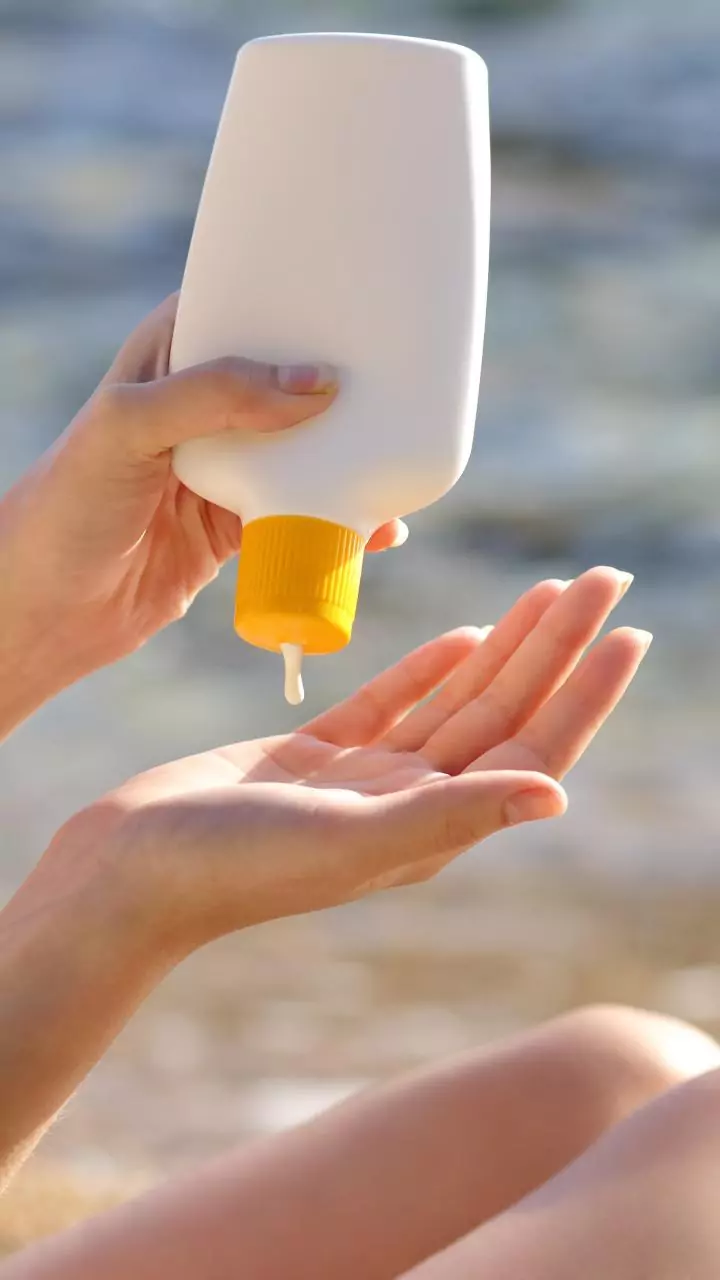
as the primary shield against the sun's detrimental ultraviolet (UV) rays. Consistent application of a broad-spectrum sunscreen with an SPF of 30 or higher is non-negotiable, ideally aiming for SPF 50 or above for extended periods outdoors. It's vital to remember that this defense isn't just for beach days; daily application is crucial, even when indoors, as UV rays can penetrate windows. Reapplying the sunscreen generously every two hours, or more often if you're sweating or have been in water, ensures continuous protection. Remember to cover all exposed skin, including your face, neck, ears, arms, and legs, to prevent uneven tanning and sun damage.
Hydration and Cooling Strategies
Maintaining optimal skin hydration is paramount when battling the harsh effects of a heatwave. Dehydration can leave your skin looking dull and parched, making it more vulnerable to sun-induced damage. Experts recommend an internal and external approach to hydration. Internally, it's essential to consume plenty of water, aiming for at least 8-10 glasses daily, and to incorporate water-rich fruits and vegetables like watermelon, cucumber, and oranges into your diet. Externally, opting for cool showers or baths can help lower your body temperature and provide immediate relief to the skin. Carrying hydrating facial mists is also a smart tactic to refresh and moisturize your skin throughout the day, offering a soothing boost against the oppressive heat.
Protective Apparel and Shade
Beyond topical sunscreens, implementing physical barriers offers an indispensable layer of protection against the sun's potent rays. Opt for lightweight, loose-fitting clothing made from breathable fabrics such as cotton or linen, choosing long sleeves and trousers to cover maximum skin surface. A wide-brimmed hat is a vital accessory, providing essential shade for your face and neck, areas particularly susceptible to sunburn and pigmentation. Similarly, UV-protective sunglasses are crucial not only for your eyes but also for the delicate skin surrounding them. Whenever possible, make a conscious effort to seek out shaded areas, especially during the peak sun hours, generally considered to be between 10 AM and 4 PM, to significantly reduce your exposure.
Post-Exposure Skin Recovery
Even with the most diligent precautions, some degree of sun exposure is often unavoidable. It is therefore important to have a post-sun care routine in place to soothe and repair your skin. Applying pure aloe vera gel is an excellent natural remedy to calm any sunburned or irritated areas, offering a cooling and anti-inflammatory effect. Following up with a gentle, hydrating moisturizer is crucial to replenish lost moisture and support the skin's natural healing process. During this time, it's advisable to avoid harsh skincare products, such as strong soaps or abrasive exfoliants, as these can further compromise the skin's barrier and exacerbate any existing irritation or redness.
Addressing Pigmentation Concerns
While the primary focus is on prevention, dermatologists also provide guidance for managing existing tanning and pigmentation. For mild to moderate concerns, incorporating skincare ingredients like Vitamin C serums can help brighten the complexion and fade dark spots. Retinoids can also be beneficial in promoting skin cell turnover and improving skin tone. For more persistent or stubborn pigmentation, professional treatments such as chemical peels or laser therapy can offer effective solutions. However, it is strongly advised to consult a dermatologist before embarking on any treatment plan, especially when using potent ingredients like hydroquinone, to ensure personalized care and avoid potential adverse reactions.