






New Pleas Allowed
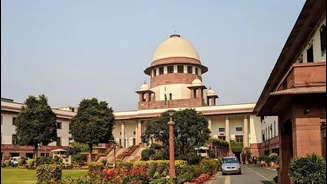
In a significant development for electoral fairness, the Supreme Court has ruled that parties can lodge new pleas regarding the integrity of election results
in West Bengal. This decision comes in response to concerns raised by the All India Trinamool Congress (TMC), which argued that in a substantial number of constituencies, the winning margin was narrower than the number of voters whose names were removed during the adjudication process. Specifically, senior advocate Kalyan Banerjee, representing the TMC, informed the court that in 31 seats, the number of deleted voters exceeded the defeat margin for their candidates. This assertion suggests a potential discrepancy that could materially affect election outcomes. The court's directive allows for these specific grievances to be formally presented through independent interlocutory applications (IAs), paving the way for a thorough examination of the claims.
Court's Guidance on Filings
The bench, comprising Chief Justice of India Surya Kant and Justice Joymalya Bagchi, provided clear guidance on how these concerns should be addressed within the legal framework. Justice Bagchi emphasized that any submissions regarding election results allegedly being impacted by vote deletions under adjudication would necessitate the filing of an independent interlocutory application (IA). This means that simply raising the issue in a general hearing is insufficient; a formal, separate application is required to bring the matter before the court for consideration. The Chief Justice acknowledged that parties have the liberty to file such applications, indicating the court's willingness to review the evidence presented. This procedural step is crucial for ensuring that each claim is properly documented and can be responded to by opposing parties, such as the Election Commission of India.
Election Commission's Stance
Representing the Election Commission of India (ECI), senior advocate D.S. Naidu presented the commission's perspective on the matter. Naidu argued that if any political party has grievances concerning the conduct of elections, their primary recourse is to file an election petition. This is the established legal channel for challenging election results. However, he also stated that if there are perceived lapses or issues related to the Summary Information Report (SIR) adjudication process, the ECI is prepared to address these concerns directly with the court. This dual approach suggests that while election petitions are the formal route for electoral challenges, the ECI is open to clarifying issues pertaining to voter data and adjudication procedures when brought to the court's attention.
Justice Resignations Noted
During the proceedings, the resignation of the former Chief Justice of the Calcutta High Court, T.S. Sivagnanam, was mentioned. Senior advocate Kalyan Banerjee brought this to the court's attention. In response, the Chief Justice of India remarked on the court's inability to compel a judge to continue working, acknowledging the personal decisions judges make regarding their careers. The subsequent discussion touched upon the availability of former judges for tribunals, with concerns raised by senior advocate Menaka Guruswamy about the potential for lengthy adjudication periods, possibly extending to four years. The Chief Justice indicated that the court would investigate these issues, highlighting the ongoing efforts to find efficient mechanisms for resolving pending appeals and ensuring timely justice.