




The Sugar-Liver Connection
Fatty liver disease, characterized by excess fat accumulation in the liver, is a growing concern, often linked to conditions like obesity and diabetes.
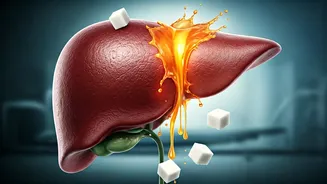
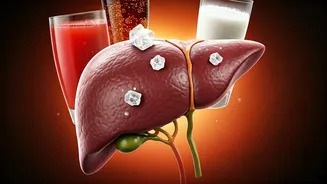
However, a surprising culprit is the high sugar content found in many everyday beverages. A gastroenterologist highlighted a case where even a young individual without typical risk factors developed non-alcoholic fatty liver disease (NAFLD) due to excessive consumption of sugary drinks and fruit juices. While fruit juice might appear healthy, it contains concentrated natural sugars that can rapidly increase liver fat. Energy drinks, often laden with both artificial sweeteners and substantial amounts of sugar, also pose a considerable threat. The sheer volume of fructose from these drinks, sometimes reaching 2-3 liters daily, overwhelms the liver's processing capacity, making it a primary driver of this condition. Opting for water or unsweetened beverages is strongly advised over these high-sugar alternatives to protect liver health.
Beyond Soda: Hidden Risks
Many individuals mistakenly believe that avoiding soda means steering clear of liver-damaging sugars. However, the case of a 34-year-old marketing professional illustrates this pitfall. Despite a generally clean diet and active lifestyle, his regular consumption of energy drinks, mocktail mixes, and packaged fruit juices during work breaks, coupled with occasional alcohol, contributed to his early-stage fatty liver diagnosis. These beverages, often perceived as less harmful than traditional colas, deliver massive amounts of sugar, particularly fructose, in a form that is difficult for the liver to metabolize efficiently. This rapid influx of sugar, lacking the fiber found in whole fruits, leads to swift absorption, rapid blood sugar spikes, and an overload of fructose for the liver to process, thereby promoting fat accumulation.
How Fructose Overloads the Liver
Fructose, a sugar found naturally in fruits and added to many processed items, is primarily metabolized by the liver. When consumed in moderation, such as from whole fruits containing fiber, the liver can handle it effectively. However, when large quantities of fructose are ingested quickly through beverages, the liver becomes inundated. It lacks the capacity to use all of it for immediate energy, forcing it to convert the excess into fat. This process is exacerbated by sugary drinks, which are rapidly absorbed due to their liquid form and lack of fiber. Unlike solid food, these beverages don't induce satiety, making overconsumption easy. This rapid sugar delivery triggers sharp spikes in blood sugar and insulin, further signaling the liver to convert and store fructose as fat, contributing to the development of fatty liver disease. The ingredients in these drinks, whether table sugar, high-fructose corn syrup, or fruit juice concentrates, all contribute to this detrimental cycle.
Energy Drinks and Fruit Juice Dangers
Energy drinks present a dual threat: high sugar content and often high caffeine levels. The sugar load can be equivalent to or even exceed that of soft drinks, while the caffeine can mask fatigue, encouraging increased consumption. This combination means a frequent and substantial fructose delivery to the liver, accelerating fat production and metabolic strain. Packaged fruit juices, despite their healthy image and vitamin claims, also pose a significant risk. The processing involved strips away most of the beneficial fiber, leaving behind a concentrated source of natural sugars. Drinking a glass of fruit juice can deliver the sugar equivalent of several pieces of fruit in minutes, creating a sudden burden on the liver. Mocktail mixes, while alcohol-free, often rely on sweetened syrups and fruit concentrates, leading to similar sugar overload issues. These drinks are frequently consumed in larger portions, especially in social settings, without a second thought to their sugar impact.
The Insulin Resistance Cycle
The consistent intake of sugary beverages can initiate a dangerous cycle of insulin resistance. Frequent surges in blood sugar levels prompt the body to release insulin repeatedly. Over time, cells become less responsive to insulin's signals, forcing the pancreas to produce even more of it. This hormonal imbalance signals the liver to increase its fat storage. This creates a vicious cycle that not only promotes fatty liver disease but also raises the risk of obesity, metabolic syndrome, and Type 2 diabetes. The body's ability to manage sugar effectively is compromised, leading to widespread metabolic dysfunction.
Alcohol's Combined Impact
When sugary drinks are combined with alcohol, the risk of fatty liver disease escalates dramatically. The body prioritizes processing alcohol as a toxin, which temporarily impairs its ability to metabolize fats and sugars. This creates a metabolic bottleneck, causing fat that would normally be used for energy to accumulate in liver cells. Simultaneously, the fructose from sugary drinks is delivered, which the liver then converts into additional fat. This creates a synergistic effect, effectively doubling the burden on the liver and significantly accelerating the development of fatty liver. Furthermore, alcohol consumption is often accompanied by late-night meals when the body's metabolism is naturally slower, further contributing to fat storage.
Healthier Beverage Alternatives
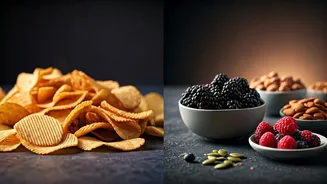
Making informed beverage choices is key to mitigating the risk of fatty liver disease. Instead of fruit juices, opt for whole fruits, which retain their fiber and slow down sugar absorption. Infused water, unsweetened coconut water, and plain tea or coffee are excellent low-sugar options that provide hydration and refreshment. For a festive feel without the sugar overload, try fresh citrus spritzers made with squeezed lemons, limes, or oranges, combined with sparkling water and a sprig of mint. These alternatives offer a satisfying taste without the detrimental impact of concentrated sugars on the liver. Simple changes in drink choices can lead to significant improvements in liver health and overall well-being.
Reversing the Damage
Adopting healthier habits can lead to remarkable improvements in liver health. In one case, limiting alcohol to once a week, gradually phasing it out, and replacing packaged juices with healthier options were crucial steps. Balancing meals with adequate protein and fiber, avoiding late-night eating, and incorporating brief walks after meals also played a vital role. These lifestyle adjustments resulted in weight loss, increased energy levels, reduced digestive discomfort, and diminished fatigue within three months. Follow-up tests confirmed that fat accumulation in the liver began to reverse, indicating significant improvement in liver health. Establishing steady routines is fundamental to regaining control of one's health.