








The Current Crisis
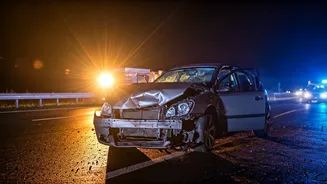
India is currently facing a severe road safety crisis, with alarming statistics that underscore the urgency of the situation. Every year, thousands of lives
are lost in road accidents, leading to significant societal and economic impacts. The causes are multifaceted, ranging from reckless driving and inadequate infrastructure to a lack of awareness and enforcement of traffic rules. Furthermore, the problem is compounded by a range of factors, including the poor condition of roads, insufficient traffic signals, and a general disregard for traffic regulations. Understanding the scope of the problem is the first crucial step towards crafting effective solutions. The data showcases a dire reality, calling for immediate and significant interventions across multiple levels, from individual behavior to systemic infrastructure improvements.
Root Causes Explored
Several factors contribute significantly to the high number of road accidents in India. Reckless driving, including speeding, drunk driving, and distracted driving, is a major contributor. Poor road infrastructure, such as potholes, inadequate lighting, and poorly designed intersections, also plays a crucial role. Furthermore, a lack of awareness among the public regarding traffic rules and safety protocols exacerbates the problem. The failure to wear seatbelts and helmets, along with the absence of regular vehicle maintenance, adds to the severity of accidents. Moreover, inadequate enforcement of traffic laws and corruption within the relevant authorities contribute to a culture of impunity. Addressing these root causes requires a holistic approach, including rigorous enforcement, public education, and investment in improved infrastructure.
Awareness To Action
Transforming road safety awareness into concrete action requires a multi-pronged approach. First, there is a need to enhance public awareness campaigns through various media channels, emphasizing safe driving practices and the importance of following traffic rules. Next, strict enforcement of traffic laws, including stringent penalties for violations, is essential. Furthermore, improvements to road infrastructure, such as the construction of better roads, installation of traffic signals, and the implementation of effective traffic management systems, are crucial. Educational initiatives in schools and colleges that promote road safety from a young age can also significantly impact behavior. Encouraging the use of safety equipment like helmets and seatbelts is also a critical step, along with regular vehicle inspections to ensure their roadworthiness. Ultimately, a combined effort from the government, law enforcement, and citizens is required to make a lasting impact.
Role of Stakeholders
Effective road safety requires a concerted effort from all stakeholders. The government plays a vital role in formulating and implementing road safety policies, investing in infrastructure, and ensuring law enforcement. Law enforcement agencies are responsible for enforcing traffic rules, penalizing violations, and educating the public. Road construction and maintenance departments should ensure the quality and safety of roads. Educational institutions have the responsibility to incorporate road safety into the curriculum. Furthermore, media outlets can play a significant role by raising awareness and promoting safe driving habits. The public also has a crucial role, demanding safer roads, adhering to traffic regulations, and setting an example for others. By working collaboratively, these stakeholders can collectively create a safer road environment.
Road Ahead: Kartavya
The path forward for road safety in India requires a continuous commitment to improvement. Ongoing evaluation of existing policies and the implementation of new strategies based on evidence are essential. Focusing on the use of advanced technologies, such as smart traffic management systems, can improve road safety outcomes. Continuous investment in public awareness campaigns is also necessary to reinforce safe driving habits and behaviors. Collaborative efforts between various agencies will contribute to safer roads. Ultimately, the creation of a 'Kartavya' or sense of duty among every citizen towards road safety is essential, ensuring that individuals take personal responsibility for road safety and thereby contribute to a safer environment for everyone. This integrated strategy promotes a culture of safety across the country.