







Metabolic Shift Unveiled
After three days of water fasting, the body undergoes a significant metabolic shift, moving into a survival mode. This adaptation is primarily driven by
the absence of food, forcing the body to find alternative energy sources. Initially, the body depletes its glycogen stores (stored glucose), which provide a quick source of energy. As these stores diminish, the body begins to break down fat to produce ketones, which serve as an alternative fuel for the brain and other organs. This process is known as ketogenesis. The body's metabolism slows down to conserve energy, reducing the demand on various systems. The digestive system takes a break as it doesn't need to process food, and the body may start recycling old cells. This survival mode is designed to help the body endure periods of food scarcity, and is an integral part of the process.
Organ Impact Examined
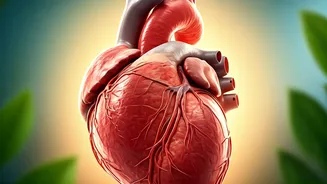
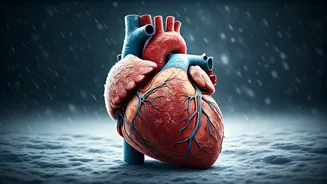
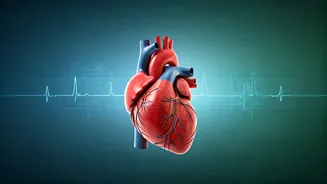
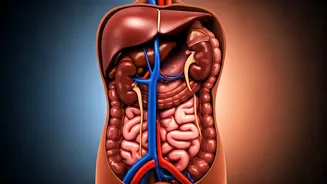
The effects of a 3-day water fast extend to various organs within the body. The liver, for instance, plays a crucial role in ketogenesis, producing ketones from stored fat. During this time, the liver's workload changes, focusing on this task rather than processing nutrients from food. The kidneys also experience shifts. They work to maintain electrolyte balance, which can be disrupted by the fast. The heart, too, may experience changes, with the body adapting to the reduced energy intake and altered metabolic state. This can be manifested as lower heart rate and blood pressure, which might be dangerous for people with pre-existing conditions. These shifts in organ function are a natural consequence of the body adapting to the absence of food, and it’s important to understand this before starting a fast.
Electrolyte and Muscle Dynamics
Electrolytes, such as sodium, potassium, and magnesium, play critical roles in bodily functions like nerve function, muscle contractions, and fluid balance. A 3-day water fast can affect electrolyte levels. The body may lose electrolytes through urine as it flushes out waste products. This loss could lead to symptoms such as fatigue, muscle cramps, and dizziness. Muscle breakdown, though not the primary goal, can also occur during a fast. The body may break down muscle tissue to convert proteins into glucose, especially if fat stores are low or the fast is prolonged. This is why it’s important to carefully plan and monitor a fast to minimize muscle loss and maintain electrolyte balance. The body’s response depends on several factors, including the individual's overall health, physical activity, and prior nutritional status.
Claimed Benefits Questioned
Advocates often highlight potential benefits of water fasting, including weight loss, improved insulin sensitivity, and cellular repair (autophagy). Weight loss is often the first thing people notice, which is due to water weight, glycogen depletion, and fat burning. Some studies show improved insulin sensitivity, potentially benefiting those with insulin resistance. The claims of cellular repair are related to autophagy, where the body removes damaged cells. However, these benefits are not universally experienced and can vary from person to person. While there may be some health advantages, it's essential to approach these claims with a critical eye, as the evidence varies. These benefits must be weighed against the potential risks, and consulting with a healthcare professional before starting any fast is crucial for safe practice and individual health.
Who Should Avoid?
Certain individuals should strictly avoid water fasting due to potential health risks. People with pre-existing medical conditions, such as diabetes, heart disease, or kidney problems, should not fast without medical supervision. Fasting can severely affect blood sugar levels, blood pressure, and kidney function, potentially leading to serious complications. Pregnant or breastfeeding women should also avoid fasting as it can deprive both the mother and the baby of essential nutrients. Those with a history of eating disorders or nutritional deficiencies should also refrain. This practice is not recommended for children or adolescents, who have increased nutritional needs for growth and development. Anyone considering water fasting should consult with a healthcare professional to assess their suitability and minimize any possible negative health effects.