








Beyond Academics
Schools serve as dynamic environments that cultivate a range of skills extending far beyond the typical syllabus. Critical thinking skills flourish as students
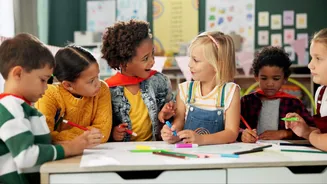
engage in problem-solving activities and analysis. Students learn how to assess information, form informed opinions, and effectively communicate their ideas. Teamwork and collaboration become integral components of the educational journey. Group projects and collaborative exercises teach students to work together towards common objectives. Students learn to navigate diverse perspectives, resolve conflicts constructively, and value each team member's contribution. These collaborative experiences hone their abilities in communication, empathy, and leadership. Time management and organizational skills are essential for managing assignments and extracurricular commitments. Students develop the capacity to prioritize tasks, allocate time efficiently, and meet deadlines, building self-discipline and responsibility. Schools frequently provide avenues for self-discovery and personal growth, enabling students to recognize their strengths, passions, and areas for development. Participation in clubs, sports, and other activities helps students explore varied interests. Schools facilitate opportunities for students to develop self-awareness, enhance their self-esteem, and cultivate a growth mindset. These extracurricular involvements help in developing well-rounded individuals.
Social and Emotional
Schools provide ample opportunities for social interaction. Students cultivate interpersonal skills, learn to build and maintain relationships, and navigate complex social dynamics. Through interactions with peers, teachers, and staff members, students learn about diverse perspectives, practice empathy, and develop effective communication abilities. Emotional intelligence is honed as students learn to recognize and manage their own emotions. Students acquire the skills to understand the emotions of others, respond with sensitivity, and build supportive relationships. These emotional insights are critical for managing stress, resolving conflicts, and adapting to challenges. Schools also foster a sense of belonging and community. They do this by establishing safe and inclusive environments where students feel supported and accepted. Students learn to appreciate diversity, respect differences, and contribute to the well-being of their communities. These inclusive practices foster social responsibility, ethical decision-making, and citizenship. Additionally, schools impart essential life skills that equip students with the ability to navigate life beyond the classroom. These essential life skills include financial literacy, digital citizenship, and conflict resolution, which all prepare students for success in both professional and personal contexts.
Character Development
Schools play a vital role in nurturing ethical development and moral reasoning. Students are encouraged to develop a strong sense of values, integrity, and ethical conduct. Through lessons, discussions, and role-playing exercises, they are encouraged to assess right and wrong, and make ethical choices. Integrity, honesty, and responsibility become fundamental to their character. Leadership skills are cultivated through opportunities for leading groups, participating in school events, and taking on leadership roles. Students develop their ability to influence, inspire, and motivate others. They learn the values of collaboration, shared responsibility, and ethical leadership. Schools also offer avenues for community engagement and service learning. Students actively participate in community service projects, contribute to local initiatives, and support charitable causes. This type of engagement encourages a sense of civic responsibility, social awareness, and empathy. Students learn the importance of giving back to society and making a positive impact on the world. Resilience and perseverance are also crucial qualities that are developed through the educational experience. Students encounter challenges, setbacks, and academic struggles, which teach them to develop the ability to bounce back from adversity. They develop perseverance, learn from their mistakes, and cultivate a growth mindset that enables them to embrace new challenges. These experiences provide valuable life lessons.
Preparing for Future
Schools prepare students for higher education and future careers by providing them with the necessary knowledge and skills. Students explore different career paths, learn about various industries, and gain insights into the requirements of the job market. They gain access to resources like career counseling, internships, and mentoring programs. Through career exploration activities, students identify their interests, aptitudes, and career aspirations, assisting them in making well-informed decisions about their futures. Schools equip students with the skills needed for success in a rapidly changing world. They cultivate adaptability, critical thinking, problem-solving, and effective communication skills. Students develop the ability to collaborate, innovate, and thrive in dynamic environments. They are also encouraged to embrace lifelong learning and adapt to new technologies. Schools offer a range of resources and support systems to assist students in their educational journey and future endeavors. Students gain access to academic advisors, counselors, and mentors. These individuals offer guidance, support, and resources to help them succeed academically, professionally, and personally. They assist students in navigating challenges, setting goals, and realizing their full potential.