





Protein's Role in Weight
Protein is frequently hailed as a cornerstone of fat loss strategies, but its efficacy is intricately linked to how our bodies utilize it. The key lies
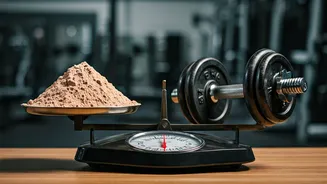
in muscle development and repair; when protein consumption increases without a corresponding rise in muscle-building activities, such as strength training, the excess protein doesn't simply vanish. Instead, it contributes to the overall calorie intake. If these surplus calories surpass the body's energy requirements, they can inevitably lead to weight gain, much like any other macronutrient consumed in excess. Therefore, the benefit of protein for weight management is conditional on its role in supporting muscle mass, rather than being an automatic calorie burner.
Muscle Building's Signal
The notion that simply increasing protein intake automatically translates into more muscle is a common misconception. From a nutritional standpoint, protein effectively aids in fat loss when there's a physiological demand for it, and this demand is primarily driven by muscle tissue. Muscle growth isn't triggered by protein alone; it requires a specific stimulus. Engaging in strength or resistance training sends signals to the body that it needs to build or maintain muscle. In the absence of this exercise-induced signal, the body may divert the extra protein towards basic metabolic functions or store it as energy. It's the exercise that dictates how protein is utilized, not the protein in isolation.
High-Protein Diet Pitfalls
The phenomenon of weight gain following a switch to high-protein diets can often be explained by a mismatch between increased protein intake and activity levels. Many individuals significantly boost their protein consumption through shakes, supplements, or larger meal portions without making corresponding adjustments to their physical activity. This caloric surplus, stemming from protein-rich yet calorie-dense foods, can counteract fat loss efforts and, in some cases, lead to weight accumulation. While high-protein foods are generally healthy, their energy content means that excessive consumption, irrespective of the source, can hinder weight management goals or even result in gaining weight.
Optimal Protein Intake
For the majority of adults, an optimal protein strategy involves distributing intake evenly throughout the day, aiming for approximately 20–30 grams per meal. This amount is generally sufficient to support muscle repair processes and promote satiety, provided the individual is leading an active lifestyle. Consuming protein far beyond these recommended levels, beyond what the body requires for its functions, typically does not confer any additional benefits for weight management or muscle synthesis. It's crucial to strike a balance, ensuring adequate protein without overconsumption.
Strength Training's Impact
Strength training plays a pivotal role in effective weight management by directing protein towards muscle tissue development rather than allowing it to be stored as fat. Even incorporating two to three strength training sessions weekly can yield substantial benefits. These sessions contribute to an elevated metabolism, an increase in lean body mass, and the promotion of healthy fat loss. Protein, in essence, serves as a tool within a comprehensive weight management plan, not as a standalone shortcut. Achieving desired results typically requires a synergy between adequate protein intake, consistent strength training, and a mindful awareness of overall calorie consumption.