
Block Incoming: Details
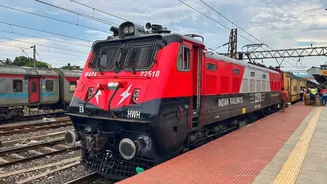
The Western Railway has declared a significant operational disruption impacting Borivali-Kandivali commuters. This disruption is a direct result of scheduled
infrastructure maintenance and upgrade projects. To facilitate this crucial work, a temporary block will be implemented. The consequence of this block is the cancellation of a substantial number of train services. Specifically, the railway authorities have announced that a total of 288 Western Railway trains will be cancelled over a two-day period. The affected dates are the 14th and 15th of January. Commuters who regularly travel along this route must take note of these alterations to their travel plans. It's important to keep abreast of additional announcements that will be provided by Western Railways to manage the travel arrangements during this period. Passengers need to prepare for alternate transport options.
Impact: Passengers Affected
The planned train cancellations on January 14th and 15th will have a pronounced impact on a large number of commuters who depend on the Western Railway network, especially those traveling through the Borivali-Kandivali corridor. Considering that 288 trains are being taken offline, the disruption will affect daily routines, impacting journeys to work, education, and various other essential activities. This large-scale disruption necessitates careful planning from commuters. Passengers should expect longer travel times and overcrowding on the remaining operational trains. Authorities are likely to put in place extra measures to handle the large number of commuters. People are encouraged to consult the railway's official channels for real-time updates and alternative route suggestions during this period. Commuters must remain vigilant and consider additional time for travel.
Commuter Action Plan
Given the substantial disruption, commuters traveling between Borivali and Kandivali on January 14th and 15th must implement proactive strategies. Firstly, it is highly advisable to verify the status of their intended train services before departing for the station. The Western Railway will likely provide updates on specific train cancellations and delays. The best way to receive this information is through their official website, social media channels, and announcements at railway stations. Secondly, alternative travel options need to be considered. Passengers can explore alternatives like buses, taxis, or ride-sharing services. Allowing more travel time is essential, as traffic congestion is anticipated, especially during peak hours. Staying informed of real-time traffic updates through various apps and online platforms can assist in navigating around congestion. Furthermore, consider coordinating with colleagues, family, or friends to share transportation. Flexible travel arrangements, such as working remotely if feasible, could alleviate some travel stress.
Railway's Role: Support
To mitigate the hardships caused by these cancellations, the Western Railway will be expected to assume a pivotal role in offering support to its commuters. The railway authorities will likely make arrangements to effectively disseminate information regarding the cancellations, diversions, and any additional operational changes to ensure that passengers are kept well-informed. This will involve the use of public address systems at stations, display boards, and digital platforms. Additionally, the railway may consider making provisions for additional staff at key stations to aid passengers with queries, provide guidance, and manage crowd control. Enhancements in crowd management at stations during peak hours can help alleviate congestion and facilitate safe travel for commuters. Moreover, to address the needs of affected commuters, the Western Railway may have to provide extra services. These include arranging for additional shuttle services, running trains on alternate routes, and, at the very least, maintaining clear communication.