


Myth of the Shaved Scalp
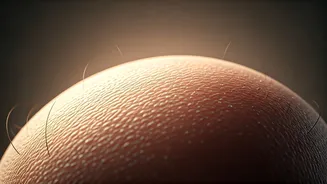
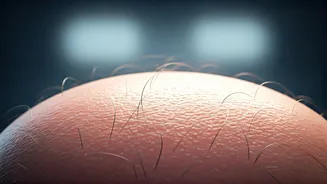
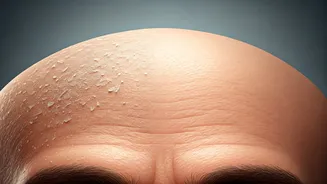
Many believe that by shaving their head, they can eliminate dandruff for good. However, this is a common misconception rooted in misunderstanding the nature
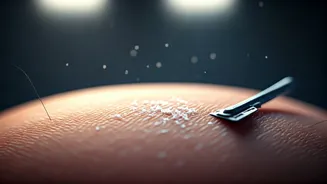
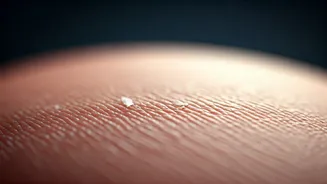
of dandruff. While removing hair might make flakes less visible or easier to wash away, it doesn't address the underlying cause. Dandruff originates from the scalp itself, not the hair follicles. When hair is gone, the flakes might seem reduced because they are more apparent on bare skin and can be rinsed off more readily. This perceived improvement is purely cosmetic and temporary. The biological processes that lead to dandruff continue unabated beneath the surface of the skin, meaning the condition will likely resurface.
The Science of Flakes
Dandruff arises from a complex interaction on the scalp, often involving oil (sebum) and a common yeast called Malassezia. When the scalp becomes irritated by these factors, it triggers an accelerated shedding of skin cells, resulting in visible flakes. Several elements can influence its severity, including environmental shifts, personal stress levels, inherited genetic predispositions, and an individual's skin sensitivity. Dr. Shweta Nakhawa, a dermatologist, explains that shaving the head does nothing to mitigate these fundamental triggers. It doesn't reduce the production of oil by sebaceous glands, nor does it inhibit the growth of yeast or calm the inflammatory responses on the scalp. Consequently, even after shaving, dandruff often reappears because its root causes remain untouched and active.
Potential for Worsening
Far from being a solution, shaving can inadvertently exacerbate dandruff in some individuals. An exposed scalp becomes more vulnerable to external aggressors like direct sunlight, environmental pollutants, and harsh chemical-laden hair products. Furthermore, the act of shaving itself can create minor nicks or cause irritation, compromising the scalp's protective barrier. This weakened barrier can lead to increased dryness, bothersome itching, and redness. When the scalp's natural defenses are diminished, it becomes harder to maintain a healthy balance of beneficial microorganisms. This disruption can worsen flaking and amplify the discomfort associated with dandruff, creating a cycle of irritation.
Effective Long-Term Management
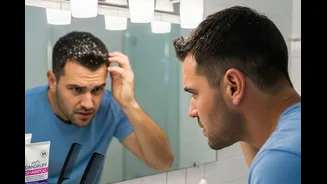
Instead of resorting to drastic measures like shaving, consistent and targeted treatment is the key to managing dandruff effectively in the long run. Dr. Nakhawa emphasizes that the most proven approach involves the regular use of medicated anti-dandruff shampoos. These specialized shampoos are formulated to combat the yeast responsible for dandruff and reduce scalp inflammation. It's important to note that these shampoos should be used consistently, even if your hair is very short or shaved. Allowing the medicated shampoo to sit on the scalp for a few minutes before rinsing can significantly enhance its effectiveness. Additionally, adopting healthy scalp habits, such as avoiding harsh soaps, protecting the scalp from excessive sun exposure, and proactively managing stress, contributes to better control. Ultimately, dandruff is a skin condition, and addressing the scalp directly, rather than removing hair, is the most reliable strategy for keeping it under control.