








The Boycott Unveiled
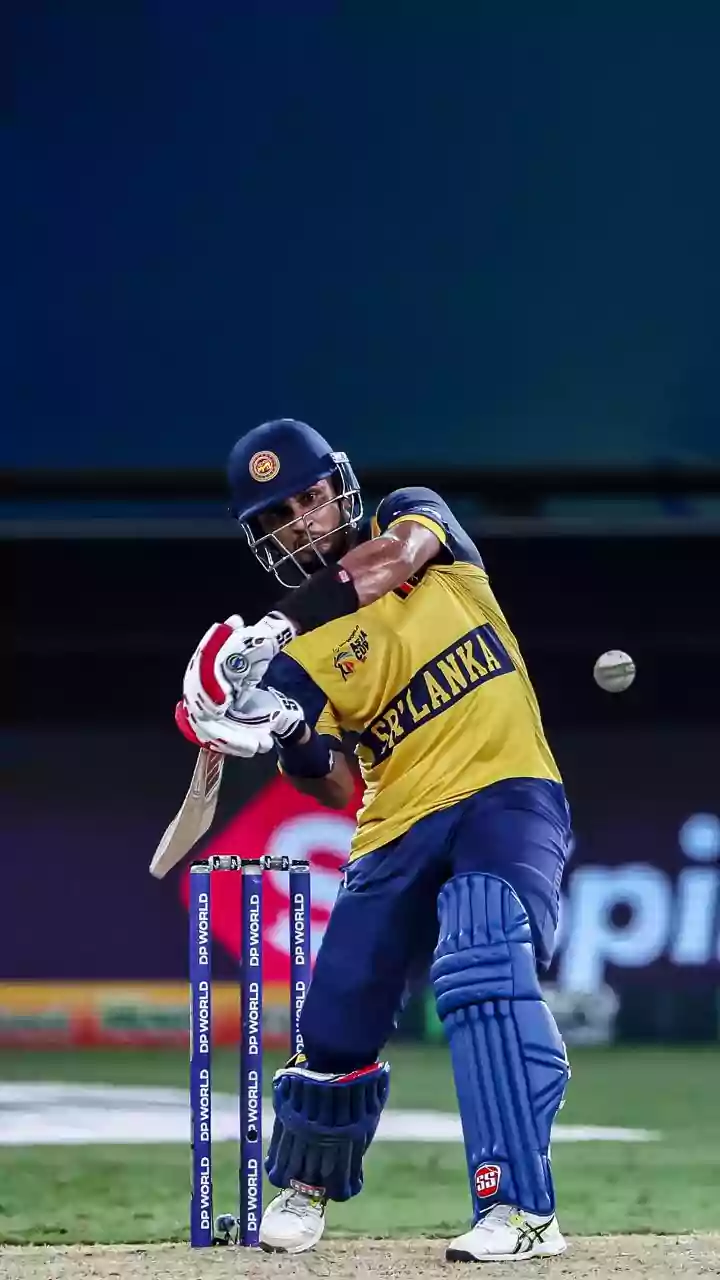
The Pakistani government has made the decision to instruct its team not to participate in the T20 World Cup match against India. This move has immediately
introduced a layer of complexity into the highly anticipated sporting event. The announcement, though concise, set off a flurry of responses, not just among sports fans but also within the governing bodies of cricket. This action represents a significant development in the longstanding cricketing rivalry between the two nations, and one with potential consequences that go beyond the sporting arena. The reasons behind such a decision, at least initially, remain somewhat obscure, but the fact that it occurred at all suggests the presence of underlying political and diplomatic factors at play.
ICC's Warning Signals
Following Pakistan's announcement, the International Cricket Council (ICC) issued a warning, thus making it clear that such a decision would not go unaddressed. The statement made by the ICC was a formal acknowledgment of the potential ramifications associated with any nation boycotting a major international competition. The specific details of these potential implications were not immediately revealed, but the ICC's stance signaled a serious concern over the impact such a boycott could have on the tournament's integrity and the wider principles of fair play and international cooperation in sports. The ICC’s quick response served as a reminder of the sport's reliance on adhering to the established rules and the agreed-upon standards of conduct.
Potential Ramifications Examined
The repercussions that could stem from Pakistan’s decision are numerous and complex. These could involve financial penalties, the imposition of sanctions, or even the potential for future exclusion from ICC-sanctioned events. More broadly, the action could undermine the spirit of sportsmanship and cooperation that international sporting events aim to promote. There are also significant implications for the fans, who are deprived of the opportunity to witness a high-profile match between two major cricketing nations. Moreover, the decision could have diplomatic overtones, potentially impacting relations between Pakistan and India beyond the cricket field. The situation presents a number of challenges for the ICC, requiring it to tread carefully in balancing the need to uphold its rules and maintain the integrity of the game, against the sensitivities of the political situation between the two nations.
Looking Ahead: What Next?
The path forward is now unclear, and a number of scenarios could unfold. Negotiations between the ICC, Pakistan, and possibly India are likely to occur in the near future. These discussions will be crucial in determining the final outcome. One potential outcome could be a reversal of the boycott, perhaps contingent on certain conditions. Alternatively, the boycott could remain in place, leading to penalties and potentially straining relationships further. It is also possible that other nations could become involved, whether through statements of support or mediation efforts. The cricketing world and sports fans around the world are now eagerly awaiting further developments, all while hoping that a resolution can be found that prioritizes the spirit of sportsmanship.