







Delayed Flamingo Arrival
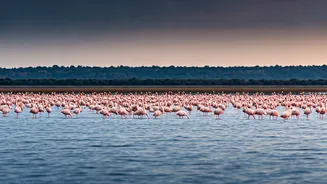
For weeks, avian enthusiasts and city dwellers alike have been anticipating the familiar sight of flamingos gracing the Mumbai Metropolitan Region (MMR).
This year, however, the vibrant pink spectacle arrived significantly later than usual, with sightings only beginning to emerge in the past week. Typically, these elegant birds would make their grand entrance from Gujarat between October and November, seeking the shallow, nutrient-rich waters essential for their survival during the winter months. Environmental experts suggest that an unusually prolonged monsoon season played a crucial role in this delay. The extended rainfall kept their usual wintering grounds in Gujarat hospitable for longer, allowing the flamingos to spread out and remain there, delaying their northward journey to the MMR. It was only as the weather in Gujarat began to warm up that the birds finally commenced their migration to familiar spots like the Thane Creek Sanctuary and the Bhandup Pumping Station in Mumbai.
Fewer Birds, Major Drop
Beyond the delayed arrival, another striking observation has concerned birdwatchers and conservationists: a significant reduction in the number of flamingos gracing the MMR. Traditionally, the region welcomes over 200,000 flamingos each season, creating a breathtaking natural display. This year, however, estimates suggest the flock numbers are closer to a mere 25,000. This represents a dramatic decrease, with some observers noting as much as a 30-40% drop compared to previous years. This stark decline is not an isolated incident, as it echoes a similar late arrival witnessed in 2018, which was also attributed to an extended monsoon. The diminished presence of these iconic birds raises serious questions about the health of their migratory routes and the suitability of their traditional habitats.
Habitat Under Threat
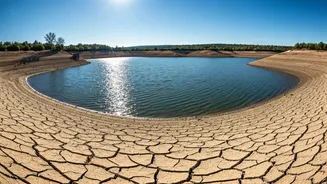
The shrinking numbers of flamingos are intrinsically linked to the increasing degradation of their vital wetland and mudflat habitats within the MMR. Experts point to a worrying trend of pollution, land reclamation, and infilling of these crucial ecosystems. These activities lead to stagnant water conditions, fostering excessive growth of moss and algae, which in turn makes the mudflats less identifiable for the birds as they navigate from above. When flamingos cannot easily locate their preferred foraging grounds, they are inclined to avoid such areas altogether. This ongoing destruction and alteration of wetlands mean that areas once teeming with life are becoming increasingly inhospitable to these migratory species. The consequences are dire, potentially pushing the birds to seek refuge in further locations, such as the wetlands in Malad, in their search for suitable environments.
Conservation Efforts Needed
The future of the flamingos in the MMR, often dubbed 'Flamingo City,' hangs in the balance if current environmental trends persist. While conservation efforts like the ongoing clean-up of the DPS Lake by the Forest Department offer a glimmer of hope, the overall picture remains concerning. Environmentalists are urging for more comprehensive measures to protect and restore the critical wetlands and mudflats that serve as the lifeblood for these migratory birds. The typical departure of flamingos in June, coinciding with the onset of the monsoon, highlights the seasonal nature of their visit. However, the declining numbers and delayed arrivals serve as a potent warning. If the current trajectory of habitat destruction and pollution continues unabated, the vibrant pink spectacle may soon become a memory, replaced by statues, a stark testament to what has been lost.