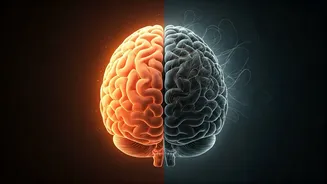







The Complainer's Brain
Engaging in a consistent pattern of complaining or dwelling on negative thoughts can significantly alter the very structure and function of your brain.
When you repeatedly express discontent, your brain actively reinforces these neural pathways. Think of it like forging a well-trodden path; the more you use it, the easier it becomes to navigate. Consequently, your brain becomes more inclined to identify and process negativity, making it an almost automatic response. This rewiring process can make it increasingly challenging to perceive positive experiences, shift your focus towards constructive solutions, or even appreciate the good things in your life. Essentially, the habit of complaining trains your brain to be perpetually on the lookout for problems rather than opportunities.
Stress and Cognitive Decline
The persistent act of complaining is intrinsically linked to elevated stress levels. When your body is subjected to prolonged periods of stress, it releases a cascade of stress hormones, such as cortisol. These elevated levels of cortisol can have a detrimental impact on your cognitive abilities. Specifically, they can impair critical brain functions like memory recall and the capacity for effective decision-making. Furthermore, chronic stress has been scientifically linked to a reduction in the volume of the hippocampus, a vital area of the brain responsible for learning new information and consolidating memories. This means that the stress triggered by constant complaining can literally shrink a key part of your brain responsible for growth and retention.
Mental Health Link
Beyond its direct impact on cognitive functions and brain structure, chronic negativity can also take a significant toll on your overall mental health. The perpetual focus on the downside of situations can contribute to, or even worsen, conditions such as anxiety and depression. The brain, much like any other organ, thrives on balance. When that balance is consistently tipped towards the negative, it can create fertile ground for mood disorders to take root or intensify. Conversely, consciously engaging in positive thinking and actively practicing gratitude can serve as a powerful antidote. These positive mental habits help to forge new neural pathways that are geared towards emotional resilience, fostering a stronger sense of well-being and a more robust capacity to cope with life's challenges.
Cultivating Positivity
From a medical and neurological standpoint, actively reducing negative thought patterns and nurturing a more optimistic outlook is not just a lifestyle choice; it is essential for maintaining peak brain health. This involves a conscious effort to interrupt the cycle of complaining and to deliberately introduce positive stimuli. Strategies like mindfulness, journaling about things you are grateful for, and reframing challenges as learning opportunities can all contribute to this shift. By consistently choosing to focus on solutions, express appreciation, and engage in positive self-talk, you can actively work to rewire your brain away from negativity and towards a state of greater mental clarity, emotional stability, and overall flourishing.