





Global Economic Influences
Global economic conditions significantly impact gold prices in India. The strength of the US dollar, often considered a safe-haven currency, inversely
affects gold prices; when the dollar rises, gold prices tend to fall, and vice versa. Inflation rates also play a crucial role. Gold is often seen as a hedge against inflation; thus, rising inflation usually pushes gold prices up. Interest rate policies of central banks, especially the US Federal Reserve, are critical. Higher interest rates can make other assets like bonds more attractive, potentially decreasing the demand for gold. Geopolitical events and global uncertainties, like international conflicts or economic crises, often boost gold prices as investors seek safer investment options. These global factors collectively create the broader environment in which gold prices fluctuate.
Local Market Dynamics
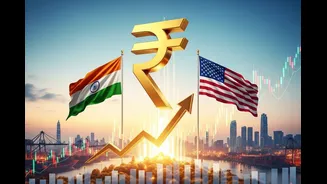
In India, several local factors contribute to gold price movements. The demand for gold during wedding seasons and festivals, such as Diwali and Dhanteras, can significantly increase prices. Import duties and taxes imposed by the Indian government directly affect the cost of gold. Changes in these rates can lead to price adjustments in the local market. The value of the Indian Rupee against the US dollar is also a key factor. A weaker rupee makes imported gold more expensive, thereby increasing domestic prices. The overall economic health of India, including GDP growth and consumer spending, influences gold demand. Strong economic performance typically supports higher gold prices. Additionally, local market sentiment, influenced by consumer confidence and investment trends, plays a role in shaping gold price behavior.
Expert Price Predictions
Analyzing expert forecasts helps to understand potential future gold price movements. Many financial analysts and market experts provide predictions based on their assessment of global and local market conditions. These forecasts consider factors like inflation, interest rates, and currency values. However, it's important to recognize that these predictions are not definitive, and price movements are subject to various uncertainties. Some experts predict a bullish trend, expecting gold prices to rise due to ongoing economic uncertainties and inflationary pressures. Others might anticipate a more stable or even bearish trend, particularly if interest rates increase or if the US dollar strengthens. Investors should consider a variety of expert opinions and conduct their own research to make informed decisions. It is vital to note that market conditions can change rapidly, and thus, predictions should be viewed with caution.
Factors Affecting Gold
Multiple factors simultaneously impact gold prices, creating a complex and dynamic market. Inflation is a significant driver, with gold often sought as a hedge against the diminishing purchasing power of money during inflationary periods. Interest rate decisions, especially by the US Federal Reserve, directly affect gold’s attractiveness relative to interest-bearing assets. Currency fluctuations, particularly the US dollar's strength, have an inverse relationship with gold prices. Geopolitical events, such as wars or political instability, often trigger a flight to safety, increasing demand for gold. Economic growth and consumer confidence levels also influence gold prices. Furthermore, the interplay of supply and demand in the gold market, influenced by factors like mining production and consumer demand, plays a crucial role. All these elements create a complex interplay that determines the value of gold.
Investment Strategies
Various investment strategies exist for engaging with the gold market. Physical gold, such as gold bars or coins, provides a tangible asset, though storage and security are essential considerations. Gold ETFs (Exchange Traded Funds) offer a convenient way to invest, as they track the price of gold without the need for physical possession. Gold mining stocks offer exposure to gold price movements, but investors should also consider the operational risks associated with mining companies. Gold futures contracts allow investors to speculate on future gold prices, but they require a sophisticated understanding of derivatives markets. Diversifying your portfolio with gold can help hedge against economic uncertainties and reduce overall risk. The choice of strategy depends on an investor's risk tolerance, investment goals, and time horizon. Conducting thorough research and consulting with financial advisors is crucial before implementing any investment strategy.